Columbia Nursing Students Reflect on Their Kenya Practicum
Six Columbia Nursing students spent five weeks at Kenyatta National Hospital, gaining hands-on clinical experience and learning from healthcare professionals.
On her first morning in the emergency department at Kenyatta National Hospital, Micah Dela Cruz was given a Kenyan name. The staff started calling her Wambui, and it stuck. Through shifts and ward rounds, all the way to an afternoon in the labor ward when she helped deliver a baby and saw, up close, what it means for a nurse to carry that much trust.
"Being called Wambui throughout my time at KNH was incredibly meaningful," she said. "It reflected the kindness, warmth, and sense of community I experienced there."
She had chosen Kenya, she said, because she wanted to step outside her comfort zone and fully immerse herself in a different healthcare system, culture, and way of life, and it worked. "Kenya now holds a very special place in my heart." One of her most memorable moments came in the labor ward, assisting with a delivery. "It was incredible to witness the level of responsibility and autonomy nurses have, and the impact they make every day."
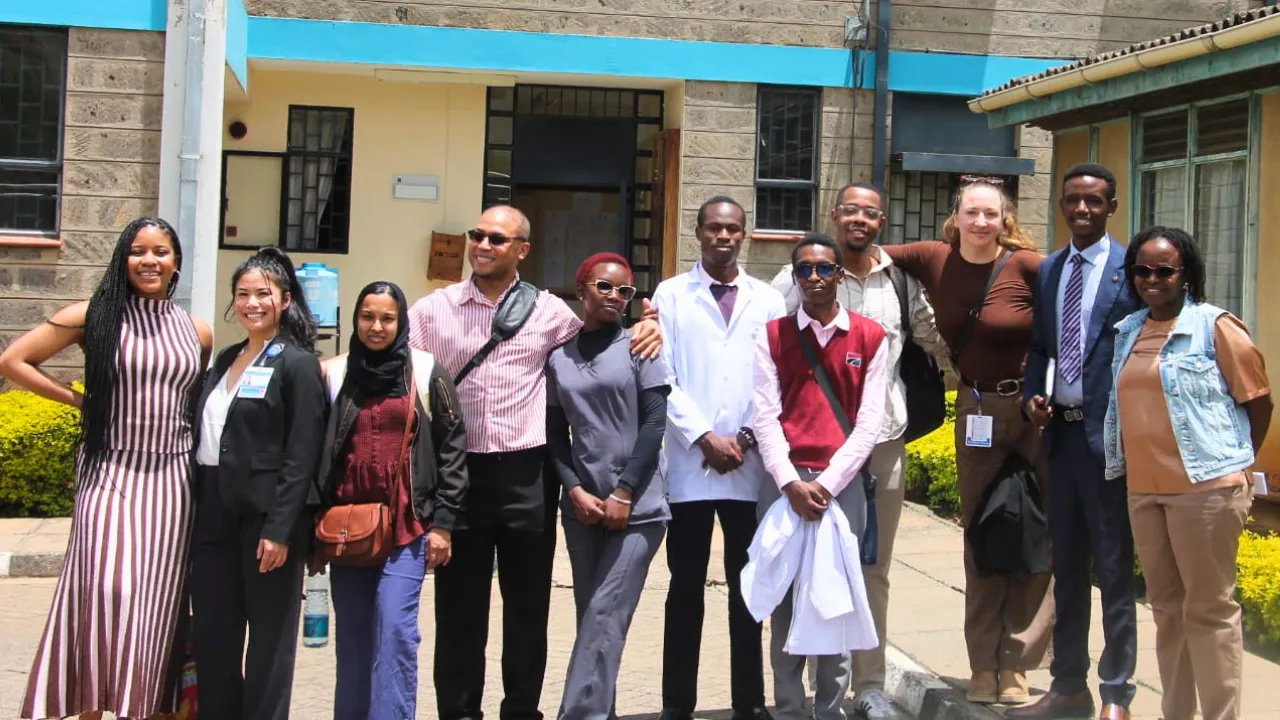
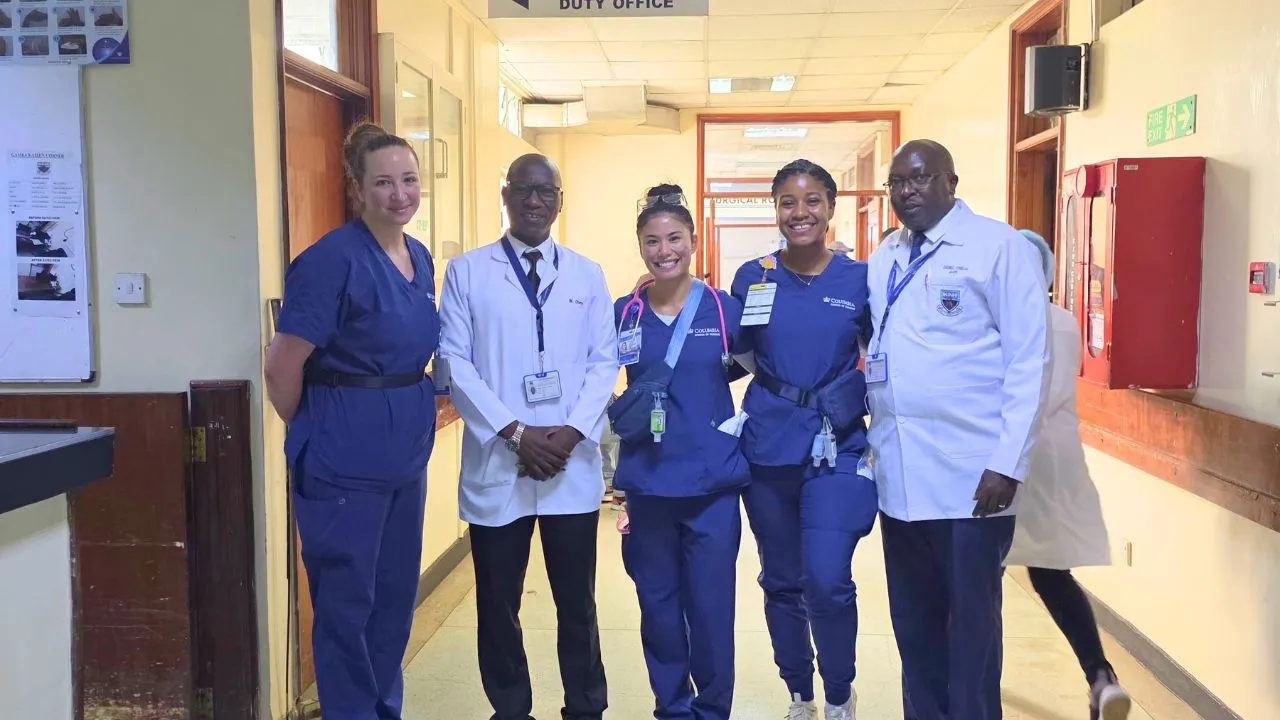
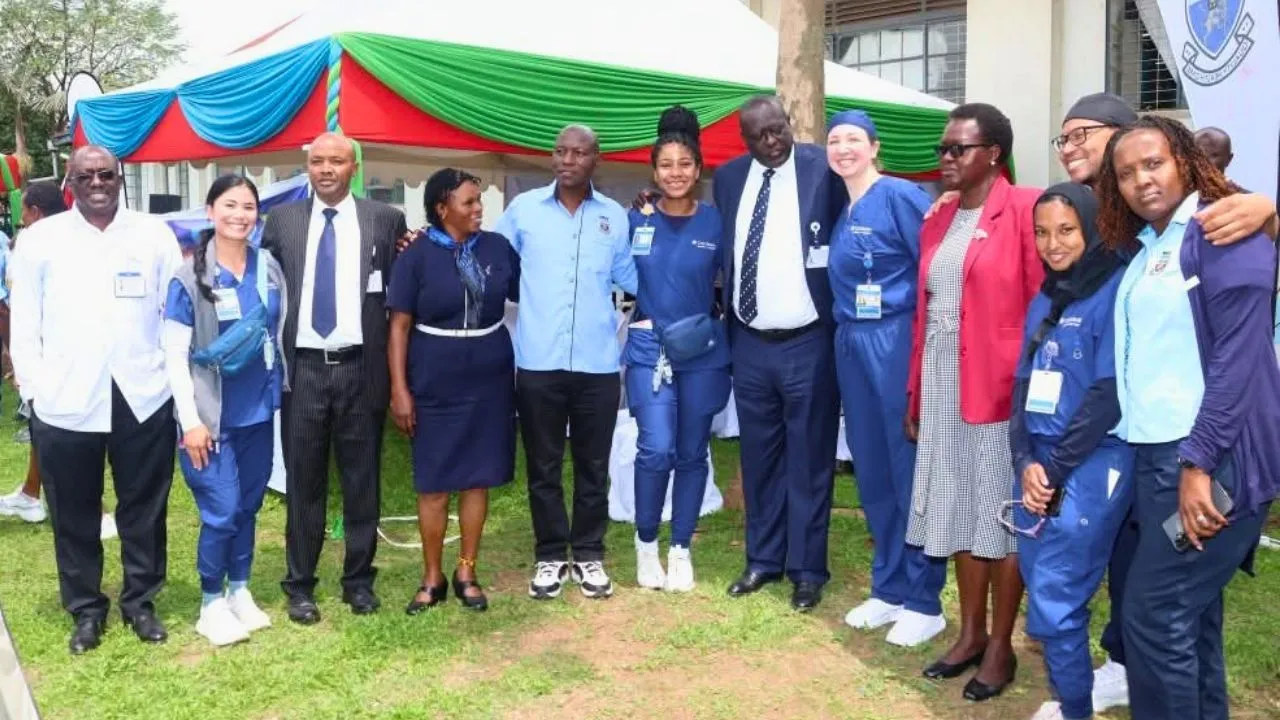
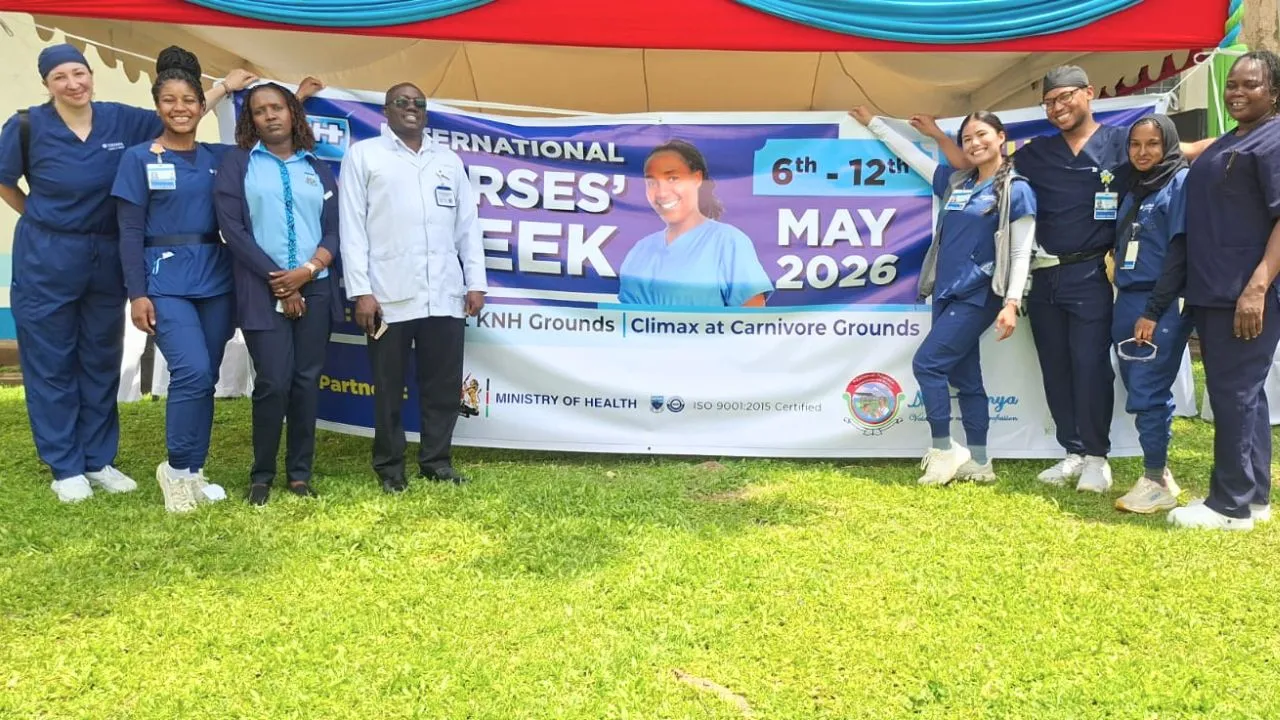
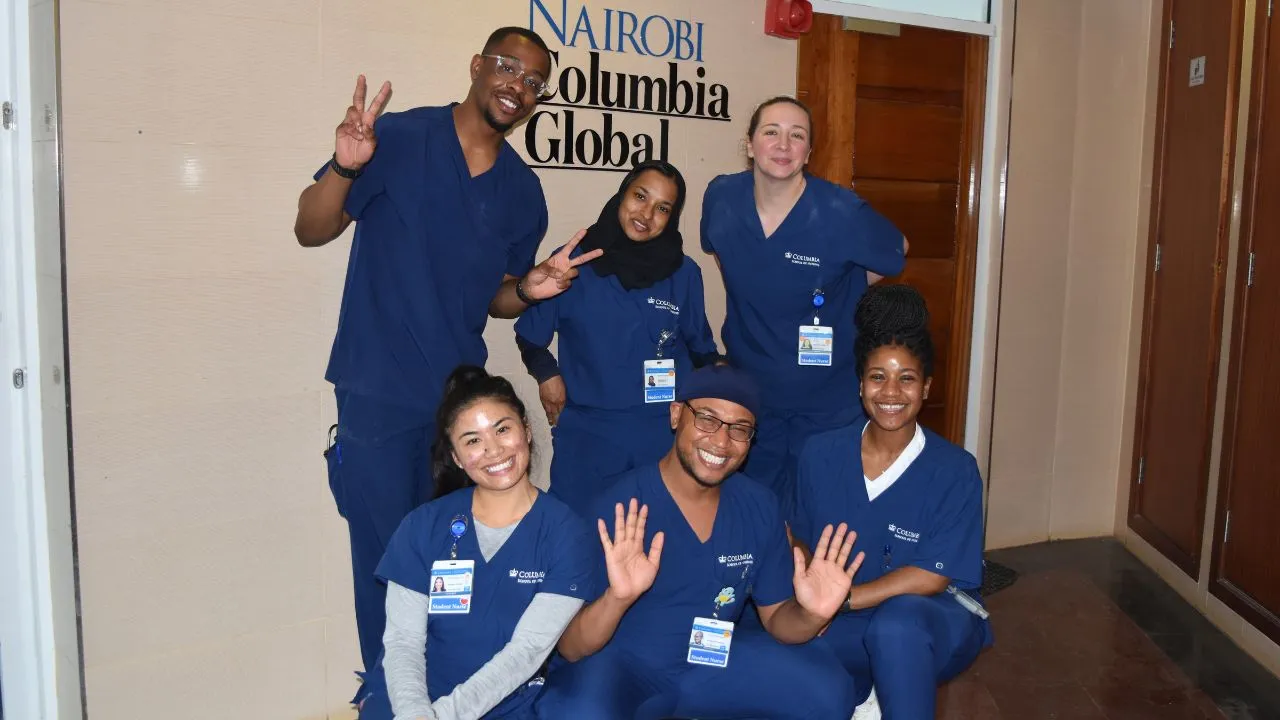
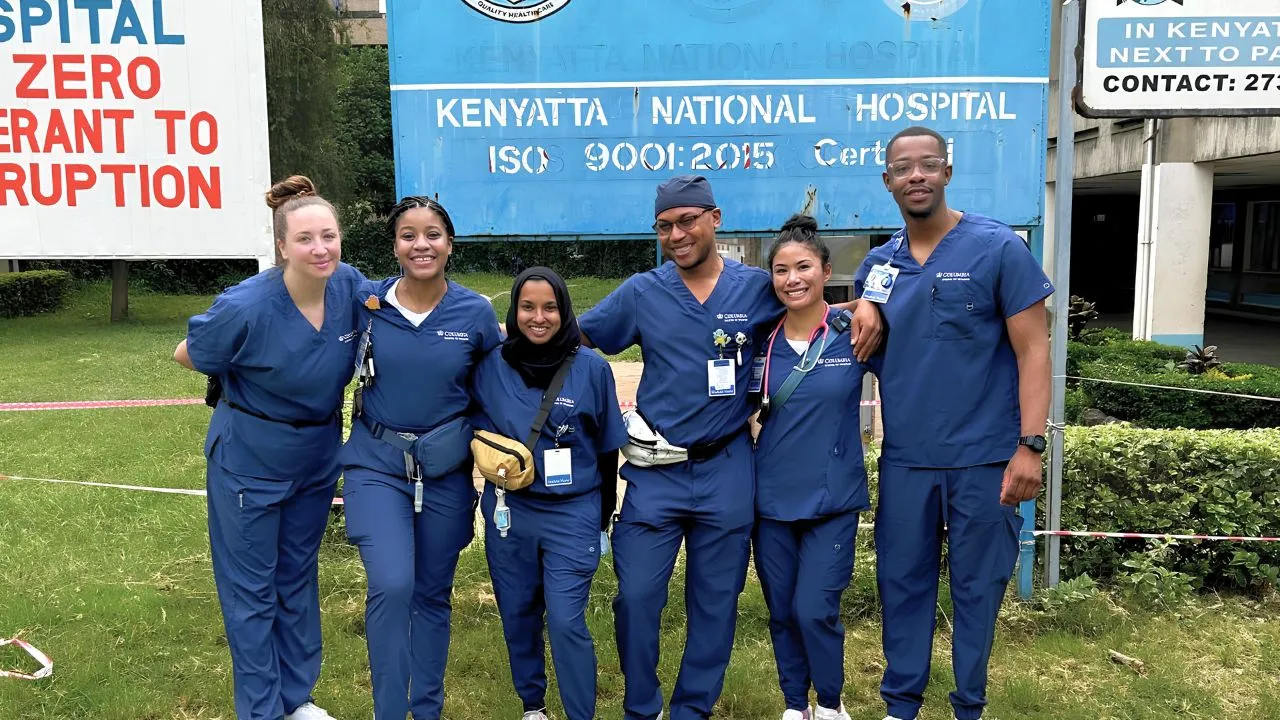
This year’s group of six students marked the fifth cohort to take part in the partnership between Columbia University School of Nursing, the Nairobi Center, the University of Nairobi’s Department of Nursing Sciences and Kenyatta National Hospital. Through the program, Master’s Direct Entry students spend at least six weeks at Kenyatta National Hospital, East Africa’s oldest and second-largest hospital, gaining hands-on experience through clinical rotations. The faculty team at the University of Nairobi School of Nursing, led by Professor Lucy Kivuti-Bitok, the program's local faculty lead, along with staff at Kenyatta National Hospital, welcomed the students just a day after they arrived. By the following morning, they were already on the units, beginning their clinical rotations.

Sherene Ishtihar rotated through Medical-Surgical, Pediatrics, and the Trauma Center wards. Her first day on the floor coincided with the start of a nurses’ strike, which was resolved within a few days. Even in that short window, she was quickly folded into the rhythm of the ward: cleaning wounds, helping with code blues, feeding patients, and learning alongside University of Nairobi and MP Shah nursing students who treated her as one of their own.
One moment, however, has stayed with her more than any other. In the Trauma ICU unit, Sherene initially hung back during a particular case, careful not to get in the way. The attending physician pulled her in, positioning her between himself and the nurse. As he worked, he walked her through the medications and the IV line step by step, explaining the reasoning behind each decision even as the room moved quickly around them. “I found that moment enriching,” she said, “because teaching in stressful moments takes patience and time, and I hope to develop that kind of patience.”
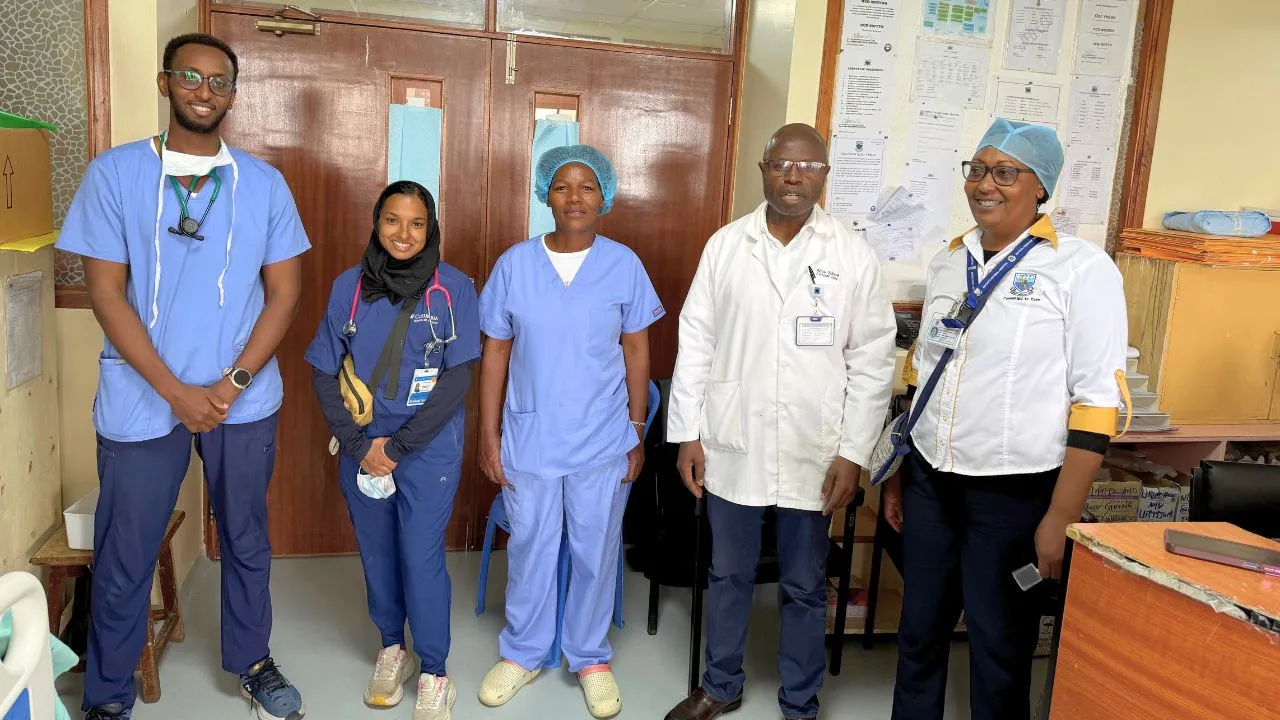
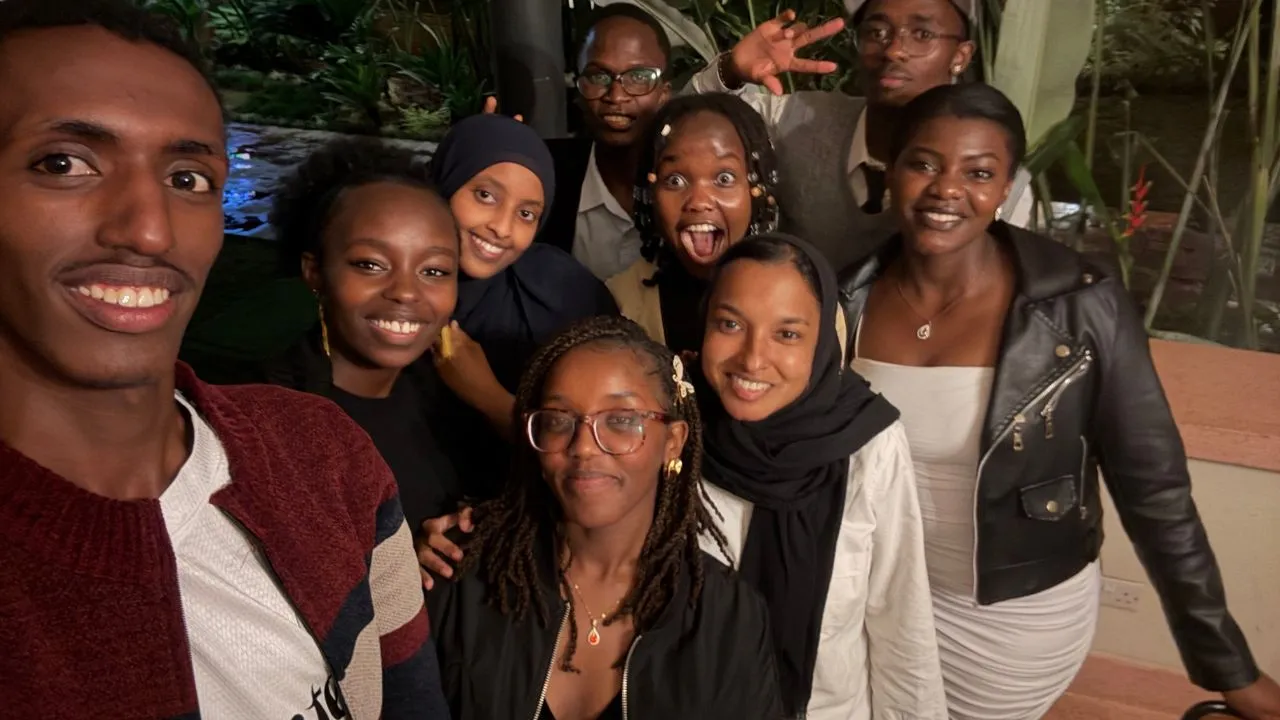
The generosity went both ways, and the experience was about more than clinical learning. Local nurses and doctors welcomed her into their daily rhythms, quizzing her during rounds and treating her as one of their own. By her final week, she presented a case study alongside a University of Nairobi peer under Dr. Dorcas Maina's supervision, reflecting how much she had grown. She left knowing, she said, that it would be difficult to find that same sense of learning and connection anywhere else in such a short time.
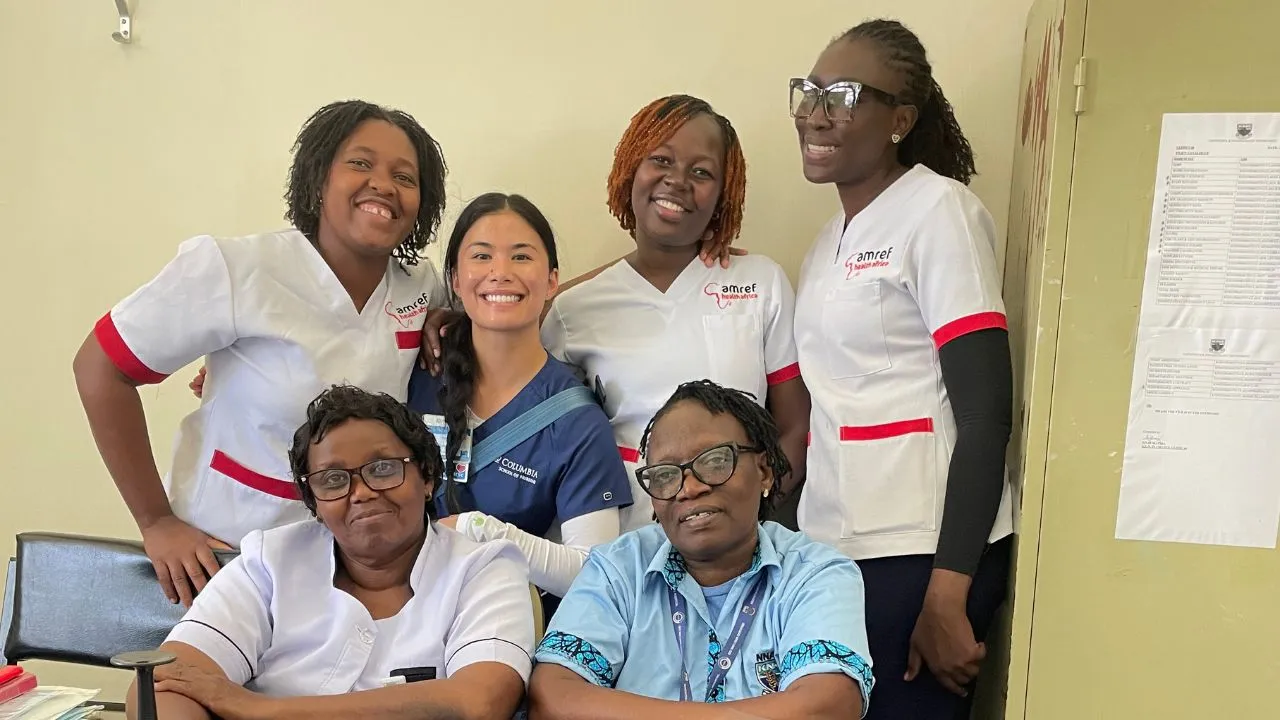
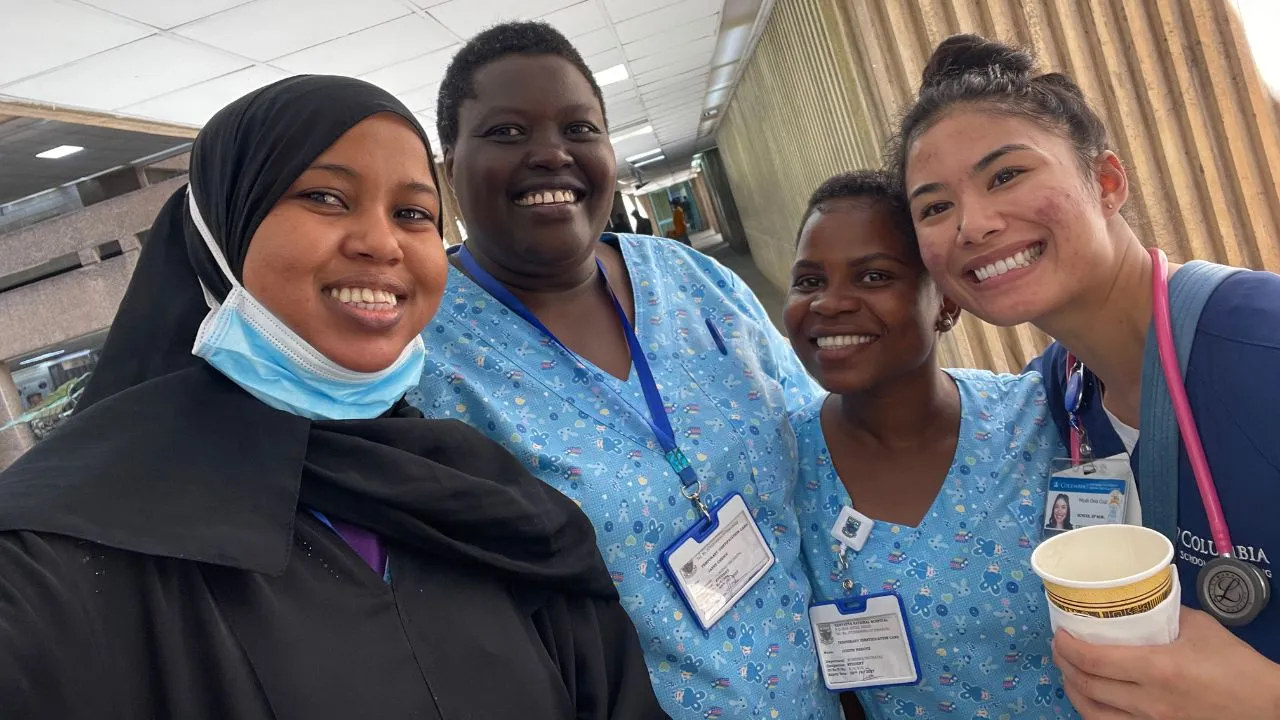
For Micah, the lesson she took home was resourcefulness. "Working in a lower resource setting reinforced that excellent nursing care is not defined by the supplies available, but by creativity, critical thinking, adaptability, and compassion," she said. Driving even a short distance around Nairobi, she watched the city shift from high rises to informal settlements and back, a daily reminder of the inequities her patients were navigating, and of how much context shapes care.
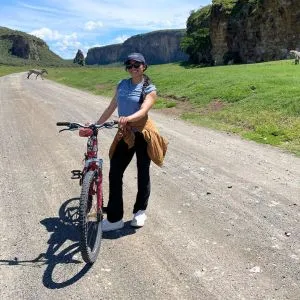
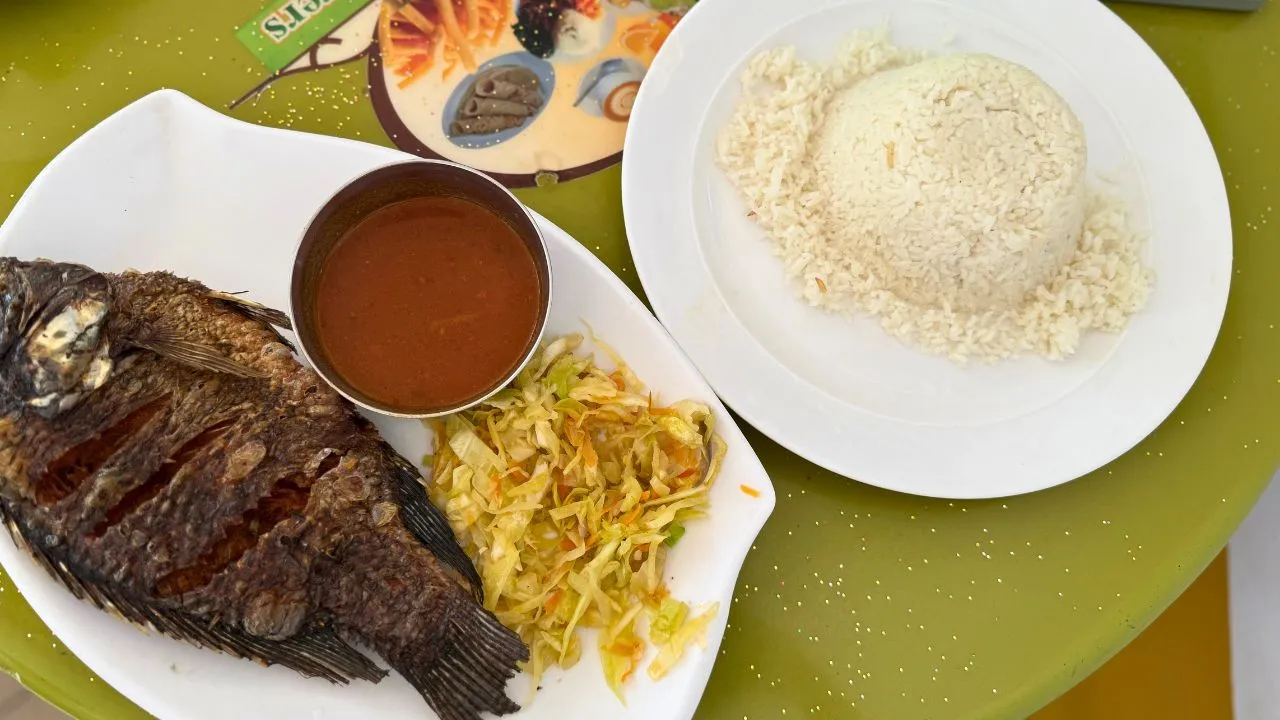
Outside the hospital, the cohort found its own rhythm. Fried fish for lunch most days, smoothie runs with local students, glass blowing, bowling, a long-awaited sushi outing, weekend hikes, and safaris. Small things, but the kind that turn a rotation into a life students talk about for years.
Sally Kieno, one of the KNH nurses who has now watched five cohorts come through, put it simply: "This has been our fifth cohort, and I can confidently say this was one of the most hardworking, humble, and eager-to-learn teams we have had the privilege of hosting. They approached every opportunity with curiosity, commitment, and a genuine desire to learn, and that made all the difference. We are deeply grateful to the University of Nairobi for the opportunity to host this team, to Columbia for making this exchange possible, and to Kenyatta National Hospital, where the students undertook their practical training, particularly the Nursing Standards Department for their exceptional coordination, mentorship, and support throughout the placement. We hope the friendships and collaborations built here will continue long after this program ends."