
Reid Hall Faculty Visitorship
Columbia University faculty and researchers are encouraged to apply to the Faculty Visitorship Program at Reid Hall, jointly supported by the Columbia Global Paris Center and the Institute for Ideas and Imagination.
Over the course of one to three week stays at Reid Hall, past Faculty Visitors have collaborated with Institute Fellows or other colleagues in Paris, conducted research, and organized workshops, talks, or conferences. Visitors frequently contribute to the Institute's Library Chats video series and the Paris Center's Atelier podcast.
2026–27
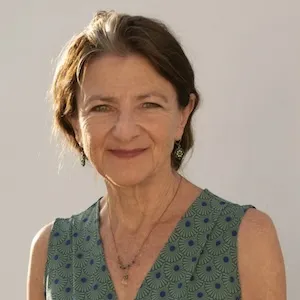
Helen Benedict, Professor of Journalism at Columbia, focuses on refugees, the effects of war on civilians and soldiers, social injustice, and violence against women. Her work examines how journalists, writers, and artists can responsibly interview and portray vulnerable populations, particularly refugees and asylum seekers, without putting them at further risk.
In Paris, Benedict will work with French journalists and scholars, including those affiliated with Reid Hall Residencies (formerly Displaced Artists Initiative) and the Sciences Po journalism program, to develop cross-cultural ethical guidelines for covering refugees and migrants.
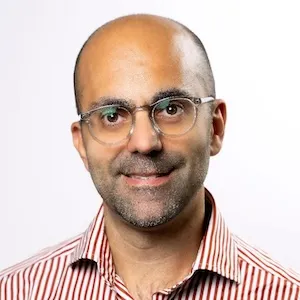
Dr. Nicolino Valerio Dorrello, Assistant Professor in the Division of Pediatric Critical Care Medicine at Columbia University Vagelos College of Physicians and Surgeons, focuses on severe, progressive lung injury, one of the most common and devastating conditions he encounters in his clinical work. His research examines strategies to selectively remove defective lung epithelial cells and support the proliferation and differentiation of lung progenitors to restore healthy lung tissue.
In Paris, Dorrello will investigate current continuous renal replacement therapy (CRRT) practices at leading pediatric centers, including Bicêtre Hospital and Necker Hospital, with an eye toward developing shared protocols and educational initiatives. He will also engage with researchers at UMR 1272 Hypoxie & Poumon, a center studying lung injury and repair.
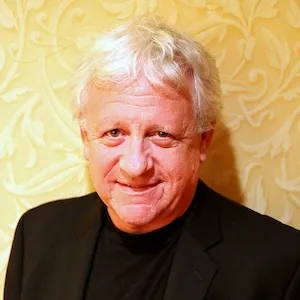
Stuart J. Firestein, chair of the Department of Biological Sciences at Columbia, runs a laboratory researching the vertebrate olfactory receptor neuron. Beyond his scientific work, he is a noted advocate for public understanding of science, having written for outlets like Wired, Huffington Post, and Scientific American, and authored the books Ignorance: How It Drives Science and Failure: Why Science Is So Successful.
In Paris, Firestein will draw on a newly rediscovered archive of papers by historian of science Derek de la Solla Price, recently uncovered at the Cité des Sciences et de l'Industrie and now housed at the Caphes Institute at ENS. Working with Prof. Matthias Girel at ENS, he will use these materials, including previously unpublished correspondence between Price and Robert Merton, to produce an updated edition of Price's influential 1960 book Little Science, Big Science for Columbia University Press.
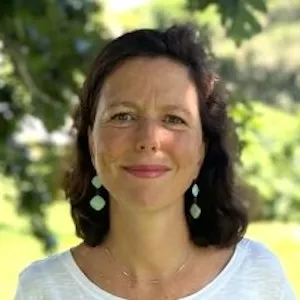
Laurence Marie, a lecturer in the Department of French at Columbia, focuses on the history of emotions, theater, and disability studies in the eighteenth century, with a particular interest in the formalization of sign language for the deaf in 1770s France. Her current research examines the experiences and education of people born deaf in France and the United States since the eighteenth century, work that weaves together historical research on the long debate between sign language and oralism with a family history project drawing on her parents' own experiences as deaf individuals educated under France's oralist system.
In Paris, Marie will continue archival research at the Institut National des Jeunes Sourds, the Bibliothèque historique de la Ville de Paris, and the Bibliothèque nationale de France, while meeting with deaf history scholars including Andrea Benvenuto, Marion Chottin, Colas Duflot, and Didier Séguillon. She also plans to connect with SIEFAR to research deaf women in eighteenth-century France and with practitioners of narrative medicine.
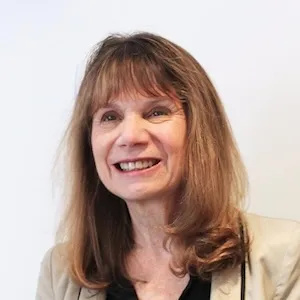
Mary McLeod, Professor of Architecture at Columbia GSAPP, focuses on the history of the modern movement and contemporary architecture theory, with particular attention to the connections between architecture and ideology. Her research has long centered on Le Corbusier's urban proposals for Algiers, building on primary research she conducted in Algeria in the 1970s, including interviews with architects who worked alongside him.
In Paris, McLeod will examine previously unstudied archival materials at the Fondation Le Corbusier on Le Corbusier's housing, viaduct, and urban planning projects in Algiers, Tlemcen, Cherchell, and Nemours (now Ghazaouet), as well as his later sketch plans for cultural centers in N'Djamena (Chad) and Dakar (Senegal). This research will explore how these designs responded to local climate, materials, and building techniques, and how figures like Le Corbusier came to symbolize modernization in both colonial and postcolonial nations.
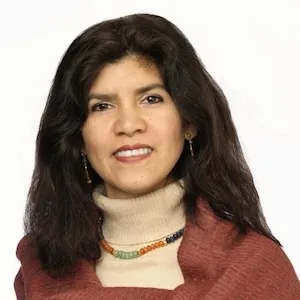
Manuela Orjuela-Grimm, Associate Professor of Epidemiology and Pediatrics at Columbia, leads CAMINANDO, a study examining diet, living conditions, and risk and protective factors for health in adolescents from Latin America settling in New York. Her research takes a pediatric approach, considering exposures to threat and deprivation across adolescence and the factors that help or hinder adaptation to life in a new country.
In Paris, Orjuela-Grimm will visit and observe at CAPSYS, a mental health care center for unaccompanied migrant minors led by psychiatrist Andrea Tortelli, whose patient population from Francophone sub-Saharan Africa offers a counterpoint to the Latin American youth in her own NYC-based study.
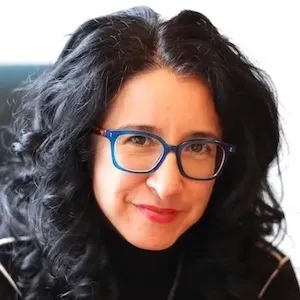
Deborah Paredez, Associate Professor of Writing and Chair of the Writing Program at Columbia's School of the Arts, is a poet and scholar whose work explores Latinx culture, memory, and performance, most recently in the critical memoir American Diva. Her current project, Encyclopedia of Secondhand Knowledge, is a cross-genre work of nonfiction that examines loss and reclamation through secondhand practices, drawing on Walter Benjamin's writings on collecting and capitalism alongside Tomás Ybarra-Frausto's theory of rasquachismo to explore objects ranging from Parisian flea markets to assemblage art and textile traditions of resistance.
In Paris, Paredez will revisit the Puces de Saint-Ouen and Puces de Vanves to complete research on the city's shopping arcades and secondhand markets, and to speak with artisans whose practice incorporates scraps and discarded materials.
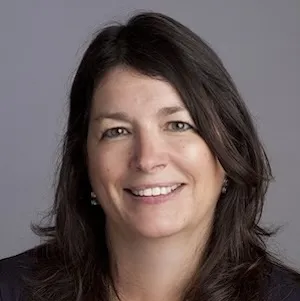
Maureen E. Raymo, G. Unger Vetlesen Professor of Earth and Environmental Sciences and Co-Founding Dean Emerita of the Columbia Climate School, studies the history and causes of climate change in Earth's past, including the role of Himalayan uplift in driving global cooling and the onset of the ice ages. Her recent work has focused on reconstructing past sea level and ice volume during warm climate intervals to improve predictions of future sea level rise.
In Paris, Raymo will develop educational materials on nanoplastic pollution, drawing on three years of sampling work with colleagues at Mission Spiritus that has detected micro- and nanoplastic contamination in remote wilderness sites worldwide. She also plans to seek out specialists involved in the UN plastics treaty negotiations centered in Europe.
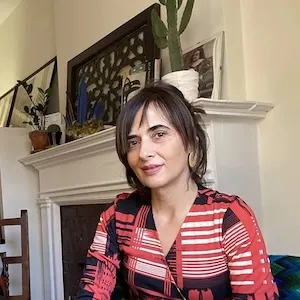
Alessandra Russo, Professor and Chair of the Department of Latin American and Iberian Cultures and Director of The Hispanic Institute, studies the theory, practice, and display of art in the early modern period, with particular attention to artistic dynamics within Iberian colonization. Her most recent book, A New Antiquity, examines how encounters with artifacts across the Americas, Africa, and Asia shaped the modern idea of art, while her current project explores the origins of museum curatorship through the work of a seventeenth-century Bolognese art custodian.
In Paris, Russo will collaborate with Alexandre Surallés at the Collège de France on a joint inquiry into how the early modern experience of the New World shaped the emergence of both art history and anthropology as disciplines. She also plans to continue developing A Visual Plurilingual Lexicon of Art Histories, a digital collective lexicon of art historical word-concepts.
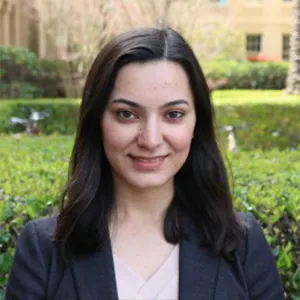
Aziza Shanazarova specializes in the religious history of Islamic Central Asia and the Persianate world from the sixteenth to twentieth centuries. Her research examines female religious authority through the 16th-century Sufi master Aghā-yi Buzurg (The Great Lady).
In Paris, Shanazarova will conduct archival research at the Bibliothèque nationale de France on previously unstudied waqf deeds established by women in Islamic Central Asia from the 16th to 20th centuries, aiming to illuminate women’s legal and financial agency in shaping public life.
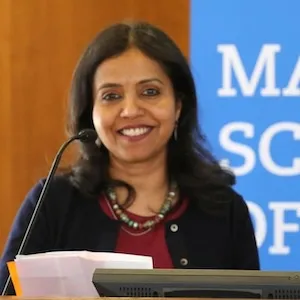
Kavita Sivaramakrishnan, Associate Professor of Sociomedical Sciences at Columbia's Mailman School of Public Health, studies the politics of health, medicine, and science in South Asia and the broader global South, with research spanning colonial-era Ayurvedic medicine, social histories of epidemics like the plague, and the global politics of aging. Her current work examines the history of consumption and disease risk in South Asia, alongside collaborative projects on heart disease and the making of medical expertise in India, and cultures of aging and cognitive decline in India and South Africa.
In Paris, Sivaramakrishnan will consult the Pasteur Institute archives for research on the afterlives of the plague in postcolonial Asia, and develop a new collaborative project with Joelle Abi-Rached on war, epidemics, and crisis in the Middle East and Asia.
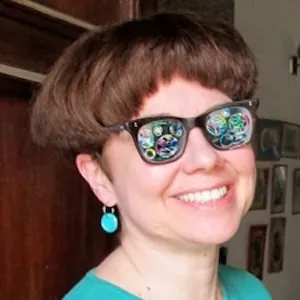
Zoë Strother, Riggio Professor of African Art at Columbia, specializes in Central and West African art history with a focus on the twentieth and twenty-first centuries, publishing on Congolese art, masks and masquerade, photography, and the history of iconoclasm and restitution in Africa. Her work also examines European "primitivism" through figures like Sara Baartman, Carl Einstein, and Leni Riefenstahl, with current research centered on aesthetic emotions in Congolese art history.
In Paris, Strother will complete research on the publishing history of Leni Riefenstahl's photobooks of the Nuba peoples, using archives at the Institut Mémoires de l'édition contemporaine (IMEC), and continue work on the film Les statues meurent aussi and its outsized role in French debates over cultural heritage restitution. She also plans to examine African art objects from museum reserves with conservator Aurélien Gaborit at the Musée du Quai Branly and the Louvre.
2025–26
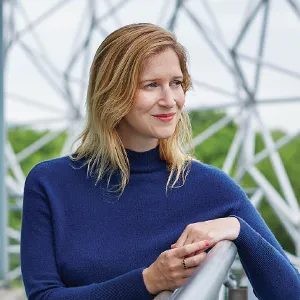
Leah Aronowsky is a historian of science and an Assistant Professor at the Columbia Climate School. She holds a PhD in the history of science from Harvard University. Her current book project explores the history of climate and energy policy in the United States during the late 1970s—a critical moment when early scientific warnings about global warming intersected with policy debates surrounding the energy crisis and the future of fossil fuels. The project investigates why the United States ultimately failed to integrate climate risk into its long-term plans for energy independence.
In 2019, research for this project was awarded the Rachel Carson Prize for the best dissertation in environmental history by the American Society for Environmental History. Aronowsky’s academic work has been published in Critical Inquiry, Environmental History, and Environmental Humanities, among other scholarly venues. In addition to her academic writing, she contributes essays and reviews on contemporary climate politics to outlets such as The New York Review of Books, The Nation, Public Books, and Jacobin.
In Paris, Aronowsky will work on advancing her book project, The Pragmatic Pessimists: Fossil Fuel Dependence and the Politics of Climate Adaptation, which reexamines climate politics by centering oil and energy in the story since the 1970s. She will collaborate with CNRS researchers on a joint article exploring the historical conditions shaping climate denialism beyond overt obstructionism, emphasizing how 1970s oil shocks led scientists to favor adaptation over prevention.
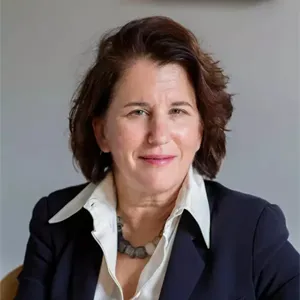
Linda A. Bell is currently the Claire Tow Professor of Economics and Provost Emerita at Barnard College. Professor Bell previously served as Provost and Dean of the Faculty at Barnard from 2012-2024, where she oversaw the College's academic programs, leading the academic community in the creation and oversight of Barnard’s Foundations curriculum.
While in Paris, Bell will expand on her current project, a book manuscript focused on the challenges facing higher education institutions in the US today, and the opportunities for leadership, reform, and a re-imagination of the sector’s mission, purview, purpose and value.
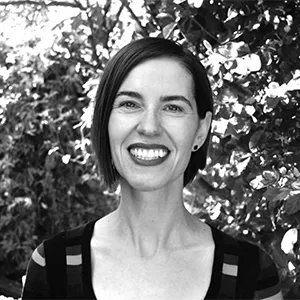
Julia Bryan-Wilson is Professor of Contemporary Art and LGBTQ+ Studies at Columbia University and core faculty in the Institute for the Study of Sexuality and Gender. Her research spans feminist and queer theory, artistic labor, performance, craft histories, and visual culture of the nuclear age. She is the author of four books, including Art Workers (2009), Fray (2017), and Louise Nevelson’s Sculpture (2023), and has edited or co-edited several journal issues and volumes.
She is Curator-at-Large at the Museu de Arte de São Paulo (MASP), where she co-organized major exhibitions such as Women’s Histories and Queer Histories. Her curatorial work includes Louise Nevelson: Persistence at the 2022 Venice Biennale and Cecilia Vicuña: About to Happen, which toured nationally. In 2024, she served as President of the International Jury at the 60th Venice Biennale.
A widely published critic, her writing has appeared in Artforum, October, Art Bulletin, The London Review of Books, and many others. She received the 2013 Art Journal Award and was a 2019 Guggenheim Fellow. Her work has been supported by major institutions including the Getty, the NEH, and the Terra Foundation. She has held visiting professorships at the Courtauld Institute, Williams College, and served as a 2023–24 Phi Beta Kappa Visiting Scholar.
In Paris, Bryan-Wilson will research her book AIDS is Contemporary, which argues that the 1980s AIDS crisis—not the 1989 fall of the Berlin Wall—marks the true beginning of contemporary art by highlighting the urgency and inclusion of activist and non-traditional art forms like posters, zines, and performance. She will engage deeply with the archives and ideas from the recent Exposé-es exhibition at Palais de Tokyo and interview Paris-based activist Élisabeth Lebovici.

Alexis Clark is an author and freelance journalist who writes about race, culture, and politics during World War II and the Civil Rights era. A contributing writer for History.com and correspondent for Matter of Fact with Soledad O’Brien, she covers historical and contemporary issues including poverty, food insecurity, and racial justice.
Her work has appeared in The New York Times, including the “Beyond the World War II We Know” and “Past Tense” series. She is the author of Enemies in Love (The New Press, 2018), a narrative nonfiction book featured by The New Yorker, NPR, and PBS, and currently in development as a TV series.
A former senior editor at Town & Country, Clark has also written for Smithsonian.com, NBC News Digital, and Preservation Magazine. She’s received Ford Foundation support for her WWII research and is under contract with Penguin Random House for a book on Black sororities and their fight for equality. A Dallas native, she holds degrees from Columbia Journalism School, the University of Virginia, and Spelman College.
In Paris, Clark will expand her research on the experiences of African American World War II soldiers, focusing especially on mixed-race children known as “Brown Babies” fathered by Black G.I.s and white European women in France. Building on her reporting about Germany’s Brown Babies and Black veterans’ struggles with segregation and denied benefits, she will explore French archives and connect with WWII scholars to deepen understanding of these overlooked histories.
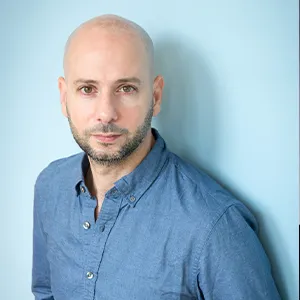
Ralph Ghoche is a historian of 19th-century architecture and urbanism. His current research examines how the Catholic Church reshaped urban space in colonial Algiers to revive Augustinian Christendom, a topic explored in his essay “Erasing the Ketchaoua Mosque” in Neocolonialism and Built Heritage. He has also written widely on French architecture’s relationship to ornament, archaeology, and aesthetics, with a forthcoming book from McGill-Queen’s University Press.
Ghoche’s work has appeared in Architectural Histories, Harvard Design Magazine, The Journal of Architectural Education, and others. His research has been supported by CASVA, the Whiting Foundation, the CCA, the Getty, and Columbia’s Institute for Ideas and Imagination.
He has taught at RPI, Pratt, and Vassar, and currently teaches at Barnard College on topics including landscape theory, utopian urbanism, diasporas, surveillance, and modern architecture. He holds architecture degrees from McGill and a PhD from Columbia.
In Paris, Ghoche will research and write a chapter for his book Christians in the Casbah: Reassessing the Catholic Church’s Role in Algeria, focusing on the 1853 discovery and forensic study of Geronimo, a 16th-century Muslim convert martyred in French Algeria. His project explores how this case bolstered Catholic missionary efforts under colonial rule and reveals little-known conversion practices through rarely accessed archival documents.
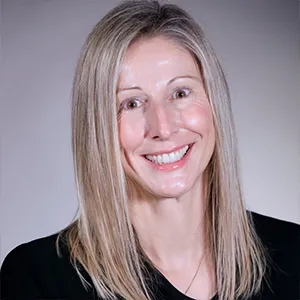
Mirna Giordano is a pediatric hospitalist with a particular interest in surgical co-management. She has co-managed pediatric neurosurgical patients for over 10 years. Her clinical research is in outcomes related to opioid-sparing multi modal analgesia.
She is currently involved as a Steering Committee member with NYC Collaborative of Pediatric Hospitalists and is a Chair of Opioid Crisis Committee AAP Chapter 3. She also serves on the Executive Council of Pediatric SIG at SHM and contributes as a co-chair of education sub-committee.
In Paris, Dr. Mirna Giordano will study multidisciplinary pediatric surgical co-management protocols by observing preoperative, intraoperative, and postoperative care at leading children’s hospitals like Hôpital Necker-Enfants Malades and Pitié-Salpêtrière, as well as the American Hospital in Paris. She aims to learn how shared decision-making and collaborative care are practiced in France to inform international consensus and curricular improvements in pediatric surgical care.

Teresa Lee is an Assistant Professor of Pediatric Cardiology at Columbia University Irving Medical Center. She is board certified in pediatrics, pediatric cardiology with advanced training in heart failure/transplantation, and clinical genetics. As a physician-scientist, her research is focused on identifying novel genetic causes of cardiomyopathy in children. Her current research focus under the National Heart Lung Blood Institute K23 Award and Children’s Cardiomyopathy Foundation Research Grant has been on infantile cardiomyopathy. She is also involved in the Pediatric Cardiomyopathy Research and actively involved in its research efforts to understand the genetic causes of cardiomyopathy in the pediatric population.
In Paris, Lee will step away from the ICU to reflect on the profound intersection of life and death in pediatric heart transplantation, drawing inspiration from Maylis de Kerangal’s Réparer les vivants. She will use her residency to write an essay and produce a podcast that honors the anonymous children whose donated hearts give her patients a chance to live, acknowledging the gift and the loss behind every transplant.
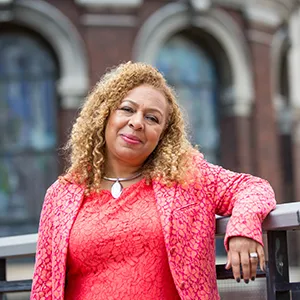
Kellie Jones is Professor of Art History and Archaeology and a faculty member in the Institute for Research in African American Studies (IRAAS) at Columbia University. Her research interests include African American and African Diaspora artists, Latinx and Latin American Artists, and issues in contemporary art and museum theory.
A MacArthur Fellow, Jones has received awards from the Hutchins Center at Harvard, the Terra Foundation, and the Creative Capital | Warhol Foundation. She is the author of EyeMinded (2011) and South of Pico (2017), which received widespread acclaim and the American Book Award for criticism.
Jones has also worked as a curator for over three decades and has numerous major national and international exhibitions to her credit. Her exhibition “Now Dig This! Art and Black Los Angeles, 1960-1980,” at the Hammer Museum, Los Angeles, was named one of the best exhibitions of 2011 and 2012 by Artforum, and best thematic show nationally by the International Association of Art Critics (AICA). She was co-curator of “Witness: Art and Civil Rights in the 1960s” (Brooklyn Museum), named one the best exhibitions of 2014 by Artforum.
In Paris, Jones will focus on researching and writing the Parisian chapter of her book Augusta Savage: Inhabiting Black Modernism, exploring how Savage’s sculptural work engaged Black internationalism, pan-Africanism, and queer visual culture within the vibrant diasporic and artistic networks of interwar Paris. She will utilize archives at the American Library and Parisian institutions to deepen understanding of Savage’s connections to Negritude, the 1931 Colonial Exposition, and Black modernist communities, while contextualizing her work alongside the broader cultural movements captured in exhibitions like Paris Noir.
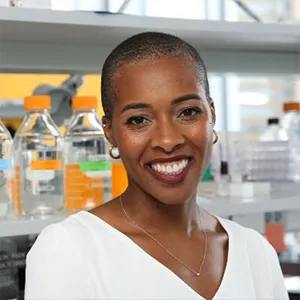
Bianca Jones Marlin is a neuroscientist and Herbert and Florence Irving Assistant Professor of Cell Research at the Zuckerman Institute at Columbia University in New York City.
Her research investigates how organisms unlock innate behaviors at appropriate times, and how learned information is passed to subsequent generations via transgenerational epigenetic inheritance. Marlin combines neural imaging, behavior, and molecular genetics to uncover how learned behavior in the parent can become innate behavior in the offspring— work that promises to make a profound impact on societal brain health, mental well-being, and parenting.
Prior to joining the faculty at Columbia,Marlin completed her postdoctoral work under the mentorship of Nobel Laureate Richard Axel, where she investigated how trauma experienced by parents affects the brain structure and sensory experience of their future offspring.
Marlin’s work has been recognized with several awards and honors. Her research and perspectives have been featured in The Wall Street Journal, The New York Times, The Washington Post, National Geographic, Discover Magazine, and Forbes, among others.
In Paris, Jones Marlin will advance her collaborative project TRANSMIND, investigating how imagined sensory experiences—“fictive memories” generated via optogenetics—might be biologically encoded and inherited across generations. Working closely with French collaborators at ESPCI Paris and utilizing resources at Reid Hall, she will deepen the understanding of how brain plasticity links imagination, trauma, and inheritance, with implications for mental health and generational healing.
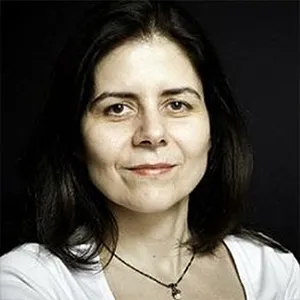
Emmanuelle Saada’s main field of research and teaching is the history of the French empire in the 19th and 20th century, with a specific interest in law. Her first book, Les enfants de la colonie: les métis de l'Empire français entre sujétion et citoyenneté, was published in France in 2007 and translated in 2012 under the title Empire’s Children: Race, Filiation and Citizenship in the French Colonies (University of Chicago Press). Emmanuelle Saada is currently writing a historiographical book reflecting on French and European colonization as a history of the present. She is also working on a project on law and violence in Algeria and France in the 19th century. She has published several articles on colonial law, culture and politics as well as reflections on recent French debates in the social sciences.
In Paris, Saada plans to promote her forthcoming book Écrire l’histoire de la Colonisation by engaging with French media, delivering talks at prominent universities, and sharing her research with the Reid Hall community, all while providing a comprehensive analysis of global colonial histories and their impact on historical scholarship.
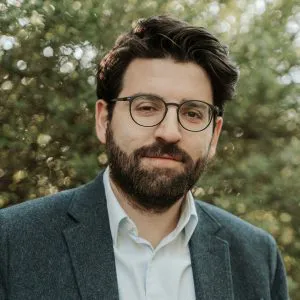
A. Tunç Şen is a historian of the Ottoman Empire who studies social and cultural intellectual practices, focusing on how people perceived the world and organized knowledge within political, social, and emotional frameworks.
His forthcoming book, Forgotten Experts: Astrologers, Science, and Authority in the Ottoman Empire (Stanford University Press, 2025), examines how the expertise and authority of occult scientific practitioners were constructed and contested in the early modern imperial context. Şen is currently working on two additional projects: one on the history of education and scholarly life in the early modern Ottoman world through microhistory and emotional history, and another on Ottoman Islamic manuscripts that reached European collections as war booty during the early modern period.
Şen is also a member of an international research project, Geographies and Histories of the Ottoman Supernatural Tradition (GHOST): Exploring Magic, the Marvelous, and the Strange in Ottoman Mentalities, funded by the European Research Council (ERC).
In Paris, Şen will conduct in-depth archival research at the Bibliothèque nationale de France on 16th- and 17th-century Islamic manuscripts acquired during Mediterranean maritime conflicts, focusing on their material features to uncover the social history of Ottoman military readers. He will also advance research on key figures in early French Orientalism linked to imperial and diplomatic networks.
Aziza Shanazarova is Assistant Professor in the Department of Religion at Columbia University, where she specializes on the religious history of Islamic Central Asia and the broader Persianate world with an emphasis on the sixteenth to the twentieth centuries. She holds a dual PhD in Religious Studies and Central Eurasian Studies completed at Indiana University-Bloomington in 2019.
She is currently working on a book project entitled Female Religiosity and Gender History in Early Modern Central Asia: The Great Lady and Her Legacy, which is a study of female religious authority, spirituality and gender history based on the case of the 16th-century female Sufi master known as Aghā-yi Buzurg (The Great Lady).
Before joining the Department of Religion, Aziza was a UCIS/REEES Postdoctoral Associate in the Humanities at the University of Pittsburgh.
In Paris, Aziza Shanazarova will conduct archival research at the Bibliothèque nationale de France on previously unstudied waqf deeds established by women in Islamic Central Asia from the 16th to 20th centuries, aiming to illuminate women’s roles in charity, religious, and educational institutions. Her work seeks to recover women’s legal and financial agency in shaping public life and offer a counter-narrative to restrictive contemporary gender ideologies.
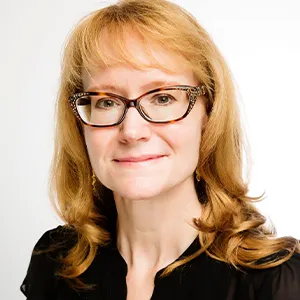
Paige West is the Claire Tow Professor of Anthropology at Barnard College and Columbia University. A cultural and environmental anthropologist, her research focuses on Indigenous ecological knowledge, environmental conservation, and socio-political change in Oceania, especially Papua New Guinea, where she has conducted over 110 months of fieldwork since 1997.
Her work bridges social and environmental sciences, exploring conservation, Indigenous alternatives to environmental agendas, biodiversity, and climate change. Her current research investigates sea level rise, managed retreat, and community adaptation to climate change.
West is the author of three books, including Dispossession and the Environment (2016), which won Columbia University Press’s Distinguished Book Award. She is completing a fourth book, Aunty: A Prayer for the World. She founded and led the journal Environment and Society: Advances in Research for a decade.
She has received a Guggenheim Fellowship (2021) and other awards, and has served as chair and president of major anthropology associations. West co-founded the PNG Institute of Biological Research and the Roviana Solwara Skul, supporting Indigenous-scientific knowledge integration and biocultural revitalization in Papua New Guinea.
In Paris, West will conduct archival and museum research on Melanesian textiles and motifs at institutions like the Musée du Quai Branly and the Bibliothèque nationale de France, situating Indigenous Pacific fashion within historical and colonial contexts. She will also engage with Paris’s fashion industry networks to explore sustainable, decolonial design collaborations and build international partnerships that amplify Pacific designers. Her work aims to trace the transformation of traditional cultural expressions into contemporary fashion as a form of biocultural resilience, sovereignty, and environmental stewardship.
2024–25
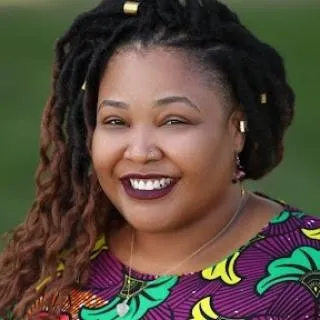
Paris Adkins-Jackson, Assistant Professor of Epidemiology and Sociomedical Sciences
Paris "AJ" Adkins-Jackson, PhD MPH is a multidisciplinary community-partnered health equity researcher and Assistant Professor in the Departments of Epidemiology and Sociomedical Sciences in the Mailman School of Public Health at Columbia University. Dr. AJ's research investigates the role of structural racism on healthy aging for historically marginalized populations like Black and Pacific Islander communities. Her primary project examines the role of life course adverse community-level policing exposure on psychological well-being, cognitive function, and biological aging for Black and Latinx/a/o older adults. Her secondary project tests the effectiveness of an anti-racist multilevel pre-intervention restorative program to increase community health and institutional trustworthiness through multisector community-engaged partnerships. Dr. AJ is an HBCU alumna of the psychometrics doctoral program at Morgan State University and a board member of the Society for the Analysis of African American Public Health Issues.
In Paris, Adkins-Jackson plans to collaborate with Fellows at the Institute and collaborators at the Paris Center to refine her project creating a musical to translate her epidemiological research on the adverse aging effects of structural racism on Black and LatinX elders in the United States.
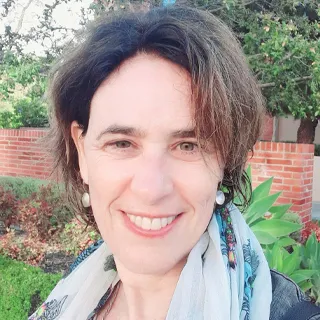
Gil Hochberg, Ransford Professor of Hebrew, Comparative Literature and Middle East Studies; Chair of the Middle East, South Asian and African Studies Department
Gil Z. Hochberg is Ransford Professor of Hebrew and Comparative Literature, and Middle East Studies at Columbia University and Chair of the department of Middle Eastern, South Asian and African Studies (MESAAS). Her research focuses on the intersections among psychoanalysis, postcolonial theory, nationalism, gender and sexuality. She is the author of three books, co-editor of two and has published numerous essays on the politics of art in the Modern Middle East and North Africa. Her latest book, Becoming Palestine: Toward an Archival Imagination of the Future (Duke University Press, 2021), is winner of the 2022 René Wellek Prize from the American Comparative Literature Association.
In Paris, Hochberg plans to immerse herself in researching the complex intersections of immigration, colonial history, and cultural identity in France, drawing from past exhibitions such as "Jews and Muslims: From Colonial France to the Present Day" at the Musée National de l'Histoire de l'Immigration.
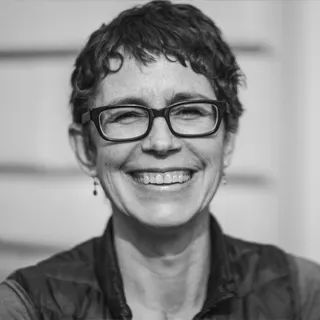
Marguerite Holloway, Professor of Professional Practice at the Graduate School of Journalism; Director of Science and Environmental Journalism
Marguerite Holloway is Director of Science & Environmental Journalism at Columbia’s Graduate School of Journalism. She has written for various publications, including Discover, the New York Times, and Scientific American, where she was a longtime editor and contributor. Holloway is the author of The Measure of Manhattan (W.W. Norton, 2013), the story of John Randel Jr., the 19th century surveyor who laid the grid plan on the island, and of the contemporary scientists who use his data. Holloway enjoys interdisciplinary teaching and often collaborates with colleagues working in documentary, photojournalism and animation — particularly in the realm of climate change storytelling. She has worked on several innovative interdisciplinary digital and data projects.
In Paris, Holloway plans to research the city's innovative urban forestry initiatives, exploring how Paris's long history of integrating trees into the urban landscape is evolving to combat climate change, while interviewing experts and city planners to inform her upcoming book on trees in the Anthropocene, providing detailed case studies and insights into how urban forestry practices can be adapted and scaled globally.
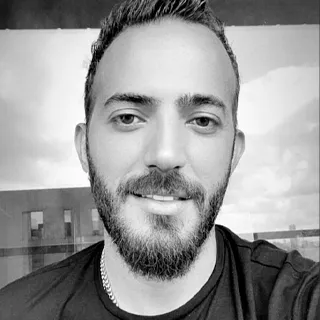
Nikolas Kakkoufa, Senior Lecturer in Modern Greek; Director of Undergraduate Studies in Classics, Ancient Studies, and the Program in Hellenic Studies
Nikolas P. Kakkoufa joined the Columbia Department of Classics in 2017. Before his appointment at Columbia, he taught at Princeton University and the University of Cyprus. He received a BA in Classical Studies and Philosophy and an MA in Modern Greek Philology from the University of Cyprus and a PhD in Modern Greek Studies from King’s College London (2015). During 2020-2021, he was a Marilena Laskiridis Research Fellow in Modern Greek Studies at the University of Amsterdam. He is the Director of Undergraduate Studies for the Program in Hellenic Studies where he also directs the Modern Greek Language Program and teaches language classes (Elementary to Advanced) and classes on Modern Greek and Comparative Literature, Reception, and Sexuality. He is also an affiliated faculty member of the Institute for the Study of Sexuality and Gender and the Institute for Comparative Literature and Society. He has served on the Lecturers Advisory Committee (2020-2023) and on the Columbia University Senate (2021-2023). In 2021, he was awarded a Provost Large-Scale Teaching & Learning Grant for the project Learning Greece from the Streets: An Urban E-Archaeology of the City.
In Paris, Kakkoufa plans to delve into Claude Fauriel’s archives in Paris, uncovering the hidden layers and historical significance of Georgios Tertsetis’ poem "Δικαία Εκδίκησις," in an effort to illuminate its role in the evolution of Modern Greek queer writing and to reveal its fascinating connections to ancient myths and folk traditions.
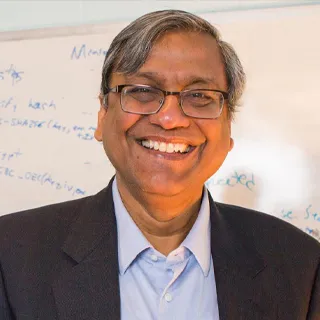
Vijay Modi, Professor of Mechanical Engineering and of Earth and Environmental Engineering; Director of the Laboratory for Sustainable Energy Solutions
Vijay Modi is a professor of mechanical engineering at Columbia University and an Earth Institute faculty member since 2006. Previously, he led the UN Millennium Project effort on the role of energy and energy services in reaching the Millennium Development Goals. He is currently working closely with city and national agencies/utilities to understand how energy services can be more accessible, more efficient, and cleaner. Modi’s areas of expertise are energy resources and energy conversion technologies. He has authored or co-authored numerous journal papers and served as the principal or co-principal of a number of research grants from government and industry. Mr Modi is a two-time winner of prestigious teaching awards from Columbia. In 1997, he received the Great Teacher Award from the Society of Columbia Graduates and the Distinguished Faculty Teaching Award from the Columbia Engineering School Alumni Association in 1996.
In Paris, Modi plans to conduct fresh research and writing exploring the interplay of energy, development, and climate in the global south, with a specific focus on Sub-Saharan Africa, aiming to connect perspectives from India and East/West Africa. Leveraging his expertise and engaging with international institutions based in Paris (IEA, UNEP, UNICEF) and Rome (IFAD, FAO), he hopes to rethink economic growth, energy constraints, national planning roles, and the strategic use of fossil fuels.
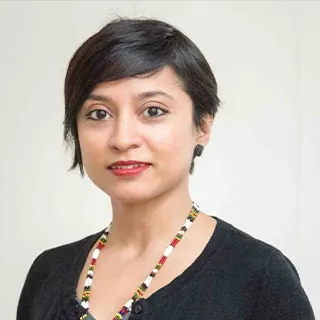
Debashree Mukherjee, Associate Professor of Middle Eastern, South Asian, and African Studies
Debashree Mukherjee is Associate Professor of Film and Media in the Department of Middle Eastern, South Asian, and African Studies (MESAAS) at Columbia University. Her first academic monograph, Bombay Hustle: Making Movies in a Colonial City (Columbia University Press, 2020), approaches film history as an ecology of material practice and practitioners. In her new research, Debashree is developing a media history of indentured labor and plantation capitalism in the Indian Ocean, exploring photography, communications infrastructures, and film traffic. She edits the peer-reviewed journal BioScope: South Asian Screen Studies and has published in journals such as Film History, Representations, and Feminist Media Histories. In a previous life, Debashree worked full-time in Mumbai's film and television industries.
In Paris, Mukherjee plans to explore the transmedial lives of Bernardin de Saint-Pierre’s "Paul et Virginie" (1787), delving into its impact on colonial and postcolonial imaginations of tropical islands, while organizing interdisciplinary workshops that draw on her research in film and media, feminist decolonial historiography, and environmental humanities to uncover the novel's enduring influence across various media and academic fields.
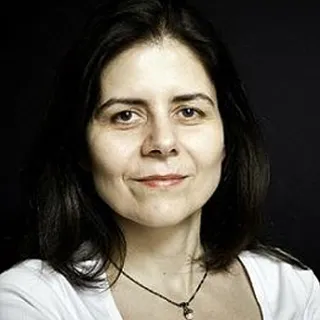
Emmanuelle Saada, Professor of French and History; French Department Chair; Director of the Center for French and Francophone Studies
Emmanuelle Saada’s main field of research and teaching is the history of the French empire in the 19th and 20th century, with a specific interest in law. Her first book, Les enfants de la colonie: les métis de l'Empire français entre sujétion et citoyenneté, was published in France in 2007 and translated in 2012 under the title Empire’s Children: Race, Filiation and Citizenship in the French Colonies (University of Chicago Press). Emmanuelle Saada is currently writing a historiographical book reflecting on French and European colonization as a history of the present. She is also working on a project on law and violence in Algeria and France in the 19th century. She has published several articles on colonial law, culture and politics as well as reflections on recent French debates in the social sciences.
In Paris, Saada plans to promote her forthcoming book Écrire l’histoire de la Colonisation by engaging with French media, delivering talks at prominent universities, and sharing her research with the Reid Hall community, all while providing a comprehensive analysis of global colonial histories and their impact on historical scholarship.
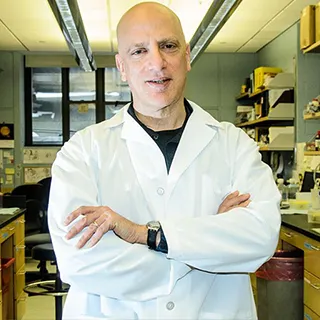
David Sulzer, Professor of Neurobiology (in Psychiatry, Neurology and Pharmacology) at CUMC; Professor at the School of the Arts
Dave Sulzer is a professor of Psychiatry, Neurology, Pharmacology, and at the School of the Arts at Columbia University and New York State Psychiatric Institute. He attended Michigan State University, studied plant breeding and genetics at the University of Florida, and received a PhD in biology from Columbia University. His lab has published over 200 studies on synaptic function in normal and diseased states that are cited over 40,000 times (h-index 86). He is the founder of the Dopamine Society, the Gordon Conference on Parkinson’s Disease, and the journal Nature Parkinson’s Disease.
In Paris, Sulzer plans to research a forthcoming book exploring the intersection of art and neuroscience with a focus on topics such as color perception, perspective, and the evolution of artistic expression across species, utilizing resources from the Museum of Natural History to enrich discussions and collaborate with experts like Didier Geffard-Kuriyama on illustrating the scientific aspects integral to visual arts and early human artifacts.
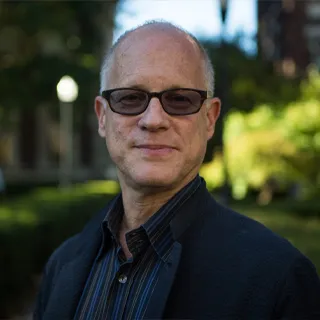
Peter Susser, Senior Lecturer Director of Undergraduate Musicianship
Peter Susser, who joined the Department as Director of Undergraduate Musicianship in 2011, has a long association with Columbia, where he earned his DMA and where he has taught as an adjunct instructor for many years. As a composer and producer, Dr. Susser has been commissioned by a variety of orchestras, ensembles and soloists including the Queen’s Chamber Band, the Sage City and New Amsterdam Symphonies, and Speculum Musicae. He is on the faculties of Columbia University and the American Musical and Dramatic Academy (AMDA). In 1990, Dr. Susser was a resident of the MacDowell Colony. He received his Doctorate in Music in composition from Columbia University and holds a Master’s Degree in cello performance from the Manhattan School of Music, where he won the Pablo Casals Prize and the Ravel Competition. His music is available on Albany and Capstone Records.
In Paris, Susser plans to enhance Columbia's ear-training curriculum by researching multi-sensory pedagogies for deaf and blind students through immersive studies at the Institut National des Jeunes Aveugles and the Institut National des Jeunes Sourds, with the goal of creating an inclusive, innovative teachers' guide that integrates diverse musical experiences and elevates the overall musicianship training.
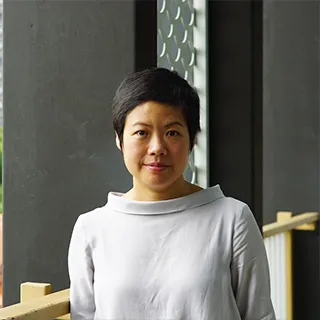
Anocha Suwichakornpong, Associate Professor of Film at the School of the Arts
Anocha Suwichakornpong is an independent filmmaker who lives and works in Bangkok and the U.S. Her films have been screened at festivals such as Cannes, Sundance, Berlin, Locarno, and Rotterdam. Anocha’s work, informed by the socio-political history of Thailand, has received much international critical acclaim and has been the subject of retrospectives at the Museum of the Moving Image, New York and TIFF Cinematheque, Toronto. She founded the Bangkok-based production company, Electric Eel Films, to nurture works by emerging talents from Thailand and abroad, and co-founded Purin Pictures, a film fund that supports and promotes independent Southeast Asian cinema. Anocha is a 2019 Prince Claus Laureate, DAAD Artists-in-Berlin Residency, and the Rockefeller Foundation Bellagio Residency Program recipient. She has taught filmmaking at Harvard University, Mahidol University, and in the fall of 2022, Anocha joined the MFA film program at Columbia University as a film directing faculty.
In Paris, Suwichakornpong plans to conduct pivotal research for her feature film A.S.R., focusing on Thailand's historical transition to democracy, with a particular emphasis on Paris as a hub for Siamese political exiles and dissidents, which will enrich the film's final segment set in the present day and shot at the former house of key revolutionary figure Pridi Phanomyong.
2023–24
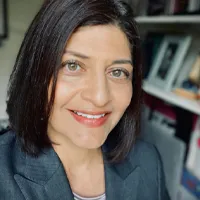
Nina Alvarez is a journalist, documentarian and video photographer. For over twenty-five years, she has reported breaking news and feature stories from around the world, on broadcast and web segments, radio reports and long-form documentaries.
Alvarez began her journalism career at ABC News, where she was a production associate on the acclaimed documentary series, Turning Point. She went on to work in the Miami Bureau covering news in the southeast US and Latin America and established the Mexico City Bureau in 1997, reporting and producing breaking news, feature and investigative stories in Latin America and the Caribbean. Her work with the network's top on-air talent was broadcast on World News Tonight with Peter Jennings, Good Morning America, Nightline and 20/20 and was recognized with three national Emmy Awards.
Since 2001, she has reported and produced news and longform stories for Univision, NBC, CNN, NPR, MTV News and Al Jazeera from the Middle East, Africa, Central Asia and Latin America. From 2015 to 2017, she was also Senior Producer at the Fusion/Netflix investigative series, The Naked Truth, which was recognized with the Alfred I. duPont Columbia Journalism Award, an Emmy nomination and the Al Neuharth Award for Innovation in Investigative Journalism. Alvarez is currently a Senior Editor of Investigative Projects at Futuro Media Group.
An important theme in Alvarez's work has been the experience of migration, historically and today. She has produced numerous video reports on refugees, undocumented laborers. victims of violence or exploitation and children. In 2001, she crossed the desert border herself on assignment with ABC News Nightline. She was a producer on the Oscar-nominated film, Which Way Home (2009). She produced an episode for the landmark PBS series, Latino Americans (2012), for which she received a Peabody Award and the Imagen Award. Her short film, Fields of Promise (link is external) (2016), was broadcasted on America ReFramed (PBS World Channel) and awarded the Alfred I. duPont Columbia Journalism Award. She is currently documenting the stories of Salvadoran refugees in the US, some of whom fled the civil war over thirty years ago and are now fighting deportation. The project has received support from the Independent Television Service and Latino Public Broadcasting.
The rights of women and girls is also an important theme in Alvarez's work. At ABC, she produced several stories about domestic violence in immigrant, low income and wealthy communities. In 2005, she documented the stories of women in northern Nigeria with injuries related to giving birth for the International Reporting Project Fellowship. In 2006, Alvarez produced, directed and photographed the Showtime documentary, Very Young Girls (link is external), which follows the stories of several New York City girls who were sexually exploited and trafficked domestically.
Alvarez is a native New Yorker, daughter of Salvadorans and mother of a Salvadoran-Irish-French-American daughter.
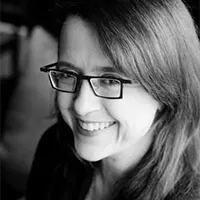
Patricia Dailey is an Associate Professor of English and Comparative Literature at Columbia University. Her work spans medieval literature, contemporary philosophy, gender studies, psychedelic studies, and eco-criticism. She is the author of Promised Bodies: Time, Language, and Corporeality in Medieval Women’s Mystical Texts (Columbia UP 2013), which sought to reconsider the critical language associated with embodiment by recasting it in the context of a poetics. Along with Veerle Fraeters, she is co-editing a Brill Companion to Hadewijch, forthcoming. She is currently pursuing several projects: while visiting Reid Hall she will be pursuing work on trees and branching, finishing a book on the arboreal sublime; she is also writing an experimental autobiography of parentheses, or, what could be called life, in parentheses. She is the founder of the Colloquium for Early Medieval Studies, co-founder of the Affect Studies University Seminar, and Co-Chair of the Women’s Gender, and Sexuality Studies Council. She has taught in France at the Université de Lille 3, and the Collège International de Philosophie.
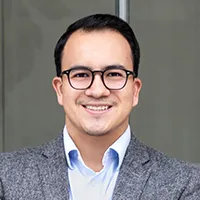
Josh DeVincenzo is the Assistant Director of Training and Education and Adjunct Lecturer at Columbia Climate School's National Center for Disaster Preparedness. Josh's research interests examine the relationship between climate change and mental models. Josh's expertise lies in developing lifelong learning experiences on disaster preparedness, mitigation, recovery, and resilience. He has created national-scale curricula in the United States on disaster financial literacy, economic impact analysis, and community partnerships. Josh aims to provide accessible and quality educational programming on a large scale, focusing on climate change and equity. He has published his work on climate pedagogy and cognition in esteemed journals and outlets such as the Journal of International Affairs, Routledge, State of Planet, and the Hill. Josh holds a master's degree in Education Policy, Organization, and Leadership from the University of Illinois at Urbana-Champaign.
Pierre Force received his academic training in France, where he was a fellow of the École normale supérieure. He took his BA in Classics (1979), doctorate in French (1987), and habilitation (1994) at the Sorbonne. He first came to the United States in 1984 as a lecturer at Yale University, and he joined the Columbia faculty in 1987. He works at the interface between the humanities and the social sciences and has published in the fields of early modern French literature, intellectual history, and social history. He is the author of Le Problème herméneutique chez Pascal (Paris: Vrin, 1989), Molière ou Le Prix des choses (Paris: Nathan, 1994), Self-Interest before Adam Smith (Cambridge University Press, 2003), and Wealth and Disaster (Johns Hopkins University Press, 2016). He chaired the French Department from 1997 to 2007 and is also a member of the History Department. From 2011 to 2014 he served as the inaugural Dean of Humanities in the Faculty of Arts and Sciences. He received the Columbia Distinguished Faculty award in 2005 and a Guggenheim fellowship in 2009. He has been a visiting professor at Princeton, Paris VII, Paris XIII, and the École normale supérieure. His teaching interests include French classicism and its reception, hermeneutics and rhetoric, historiography, the history of economic thought, and Atlantic history.
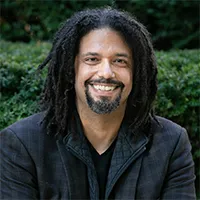
Frank Andre Guridy is the Dr. Kenneth and Kareitha Forde Professor of African American and African Diaspora Studies. He is also Professor of History and the Executive Director of the Eric H. Holder Initiative for Civil and Political Rights at Columbia. He is an award-winning historian whose recent research has focused on sport history, urban history, and the history of American social movements.
His latest book, The Sports Revolution: How Texas Changed the Culture of American Athletics (University of Texas Press, 2021) explored how Texas-based sports entrepreneurs and athletes from marginalized backgrounds transformed American sporting culture during the 1960s and 1970s, the highpoint of the Black Freedom and Second-Wave feminist movements. Guridy is also a leading scholar of the Black Freedom Movement in the United States and in other parts of the African Diaspora. His first book, Forging Diaspora: Afro-Cubans and African Americans in a World of Empire and Jim Crow (University of North Carolina Press, 2010), won the Elsa Goveia Book Prize from the Association of Caribbean Historians and the Wesley-Logan Book Prize, conferred by the American Historical Association. He is also the co-editor of Beyond el Barrio: Everyday Life in Latino/a America (NYU Press, 2010), with Gina Pérez and Adrian Burgos, Jr.
His writing and commentary on sport, society, and politics have been published in Public Books, Columbia News, NBC News.com and the Washington Post. His fellowships and awards include the Scholar in Residence Fellowship at the Schomburg Center for Research in Black Culture and the Ray A. Billington Professorship in American History at Occidental College and the Huntington Library. He is also an award-winning teacher, receiving the Regents’ Outstanding Teaching Award from the University of Texas at Austin in 2010, and the Mark Van Doren Award for Teaching at Columbia in 2019. He was also a winner of Columbia’s Faculty Service Award in the spring of 2023. His current book project, The Stadium: An American History of Protest, Politics, and Play, under contract with Basic Books, is a history of the American stadium as a community institution that illustrates the central role it has played in American civic and political life.
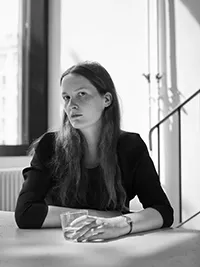
Irena Haiduk directs Yugoexport, a blind and non-aligned oral corporation whose founding logic is equivalence, loyalty, and familial solidarity between people and things. Initiated as a copy of the former Yugoslav apparel and weapons manufacturer Jugoeksport, Yugoexport is formally incorporated in the United States (where corporations are people), launched in Paris and headquartered in New York. Their maxim, How To Surround Your Self With Things In The Right Way, powers the production of images, books, apparel, orations, films, scenographies, and variable spaces, all designed to nourish the organ of imagination. Irena Haiduk often collaborates with institutions like the Renaissance Society at the University of Chicago, Istanbul Biennial, Whitney Museum of American Art, documenta 14, Swiss Institute, Sternberg Press, Art Basel, Acne Studios, to name a few.
Haiduk’s work is invested in relationships between aesthetics and economy, image ecology and the way that economic infrastructures leave clear aesthetic marks. She believes that to work in an aesthetic field rooted in making desires, to make art today, is to share the responsibility for what aesthetic economies maintain. Desires, many of them powered by art, brought us here. As our planet becomes impossible to physically inhabit, it is urgent to ask again, from many directions and on every level: how can we desire differently?
There are many ways to start. Art provides means to construct a public place, a studio for study, testing and learning where vital conversations find many forms. Since 2018, Irena Haiduk's studium has been hosted, in part, by the Department of Art History at Barnard College where Haiduk is Assistant Professor of Professional Practice. Current lines of study and practice are named Buoyancy, Loving, and The Third Way.
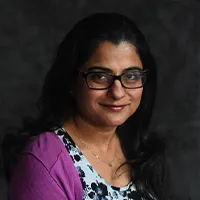
Dr. Radhika Iyengar is Director of Education and Research Scholar at the Center for Sustainable Development of Columbia University’s Earth Institute. She leads the Education for Sustainable Development initiatives as a practitioner, researcher, teacher and a manager. Her research interests consist of conducting evaluations of educational programs and international educational development. In addition to directing education initiatives at the Center and fieldwork in over 10 countries, she contributes to the scientific community focusing on international educational development with articles published in reputed journals and reports that are used by both domestic and international stakeholders. She received a distinction from Teachers College, Columbia University on her Ph.D. dissertation Social capital as a determinant of schooling in rural India: A mixed methods study. She received her Master’s degree in Economics from the Delhi School of Economics, India.
Radhika has been working in the areas of sustainable development and environmental education at the Center for Sustainable Development since 2011. At the Center she collaborated with scientists, health experts, environmentalists and others on various topics such as education on COVID, mental wellbeing and environmental science education. She has been working with Governments and NGOs in multiple-countries advising on designing education and environmental education programs. Her current research includes testing for high fluoride content in water sources in Central India. She received the prestigious Earth Frontiers grant in 2020 on community-based education on fluoride testing.
She has over 15 years of experience in international education development. She has recently co-edited two books, Teacher Education in South Asia with Palgrave Macmillan and Interrogating and Innovating Comparative and International Education Research with Sense Publication in 2019. Her latest article is on Education as the path to a sustainable recovery from COVID-19 in UNESCO’s Prospects Journal. Previously, she received a distinction from Teachers College, Columbia University on her Ph.D. dissertation. She recently received an Early Career award from Teachers College. Columbia University. She was the Chair of Environmental and Sustainability Education Special Interest Group at the Comparative and International Education Society and is currently a Board member of Comparative and International Education Society. She is also a Board member of other entities such as the Alliance for New Jersey’s Environmental Education and PAL Network among other NGOs.
Read her full bio: https://csd.columbia.edu/people/radhika-iyengar
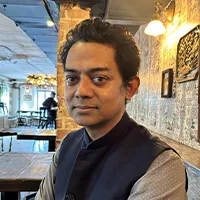
Naeem Mohaiemen is a filmmaker and writer who combines photography, films, and essays to research the many forms of utopia-dystopia (families, borders, architecture, and uprisings) in the Muslim World after 1945. Despite underlining a historic tendency toward misrecognition of allies, the hope for a future international left, as an alternative to current silos of race and religion, is always a basis for the work. A throughline in all his work is family unit as locus for pain-beauty dyads, abandoned buildings as staging ground for lost souls, and the necessity of small prevarications to keep on living. Several conversations in contemporary art museums around the historic Non Aligned Movement and Third Worldism pivoted around the premiere of his three-channel film, Two Meetings and a Funeral (2017), at documenta 14, Kassel. Historian Vijay Prashad (The Darker Nations, 2007) describes his work as having “the air of being unfinished because the history he is working on is unfinished.”
Mohaiemen is author of Midnight’s Third Child (Dhaka: Nokta / University of Liberal Arts, 2023) and Prisoners of Shothik Itihash (Basel: Kunsthalle Basel, 2014); editor of Chittagong Hill Tracts in the Blind Spot of Bangladesh Nationalism (Dhaka: Drishtipat, 2010); and co-editor with Eszter Szakacs of Solidarity Must be Defended (Budapest: Tranzit / University of Budapest, 2023) and with Lorenzo Fusi of System Error: War is a Force that Gives us Meaning (Sienna: Sylvana, 2007). Monographs on his films include What We Found After You Left (Toronto: Power Plant, 2021).
Mohaiemen has a Ph.D. in Anthropology (Columbia ‘19) and is Associate Professor of Visual Arts and Head of Photography Concentration at Department of Visual Arts, School of Arts, Columbia University. Previously, he was a Senior Research Fellow at Lunder Institute of American Art at Colby College, Nadir Mohamed Fellow at Toronto Metropolitan University, and He was a Senior Research Fellow at Lunder Institute of American Art, Colby College; Nadir Mohamed Fellow at Ryerson Image Centre, Toronto; and Mellon Fellow at the Society of Fellows, Heyman Center, Columbia University. Projects have been supported by Andy Warhol Foundation, Ford Foundation, Creative Time, Guggenheim Fellowship, Wenner Gren Foundation for Anthropology, Social Science Research Council, Elephant Trust, Arts Council, and Creative Capital. Mohaiemen was a finalist for the Villem Flusser Theory Award (2009), Mario Merz Prize (2015), Turner Prize (2018), and Herb Alpert Award (2019).
He has had solo shows at Gallery Chitrak, Dhaka; Cue Art Foundation, New York; MoMA PS1, New York; Bildmuseet, Umea; Power Plant, Toronto; SALT Beyoğlu, Istanbul; Kunsthalle Basel, Basel; Vox Contemporary Image, Montreal; and Centro Andaluz de Arte Contemporáneo, Seville. Group shows include Venice, Lahore, Sharjah, Marrakech, Momentum (Nordic), Eva (Ireland), and Chobi Mela Biennials; Tate Britain (Turner Prize show), MACBA, and Documenta 14. His work is in the permanent collections of Museum of Modern Art, New York; Tate Modern, London; MACBA, Barcelona; Van Abbemuseum, Eindhoeven; and Art Institute of Chicago, Chicago.
Faculty Profile; Academia; Studio
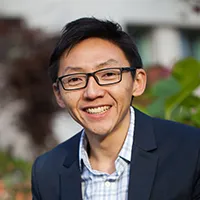
Ngai Yin Yip is the Lavon Duddleson Krumb Assistant Professor of Earth and Environmental Engineering at Columbia University. He received his doctoral degree in Chemical and Environmental Engineering from Yale University. Yip is passionate about developing innovative solutions for critical separation challenges in water, energy, and the environment. Driven by his commitment to sustainability, his research focuses on recovery of valuable resources from waste streams, lithium harvesting from brines, and water purification, including high-salinity desalination and zero-liquid discharge.
Dr. Yip's contributions have earned him numerous recognitions, including the James J. Morgan Early Career Award (Honorable Mention) from Environmental Science & Technology. He has also been featured as an Emerging Investigator in Environmental Science: Water Research & Technology and as a Young Talent in Frontiers of Environmental Science & Engineering. Dr. Yip actively serves as an editorial board member for Desalination and Chemical Engineering Journal Advances, and as an Early Career Board member for ACS ES&T Engineering.

Magdalena Baczewska [pronounced ba-CHEV-ska] is a concert pianist, harpsichordist, recording artist, producer, speaker, and educator. She holds the position of Senior Lecturer in Music and Director of the Music Performance Program at Columbia University. She has performed with prestigious orchestras worldwide, including the San Francisco Symphony, Philadelphia Orchestra, and China National Symphony. Collaborating with Oscar and Grammy Award-winning artists like Joshua Bell and Charles Fox, she has also toured extensively with composer Tan Dun, performing at the Tanglewood Music Festival, Guangzhou Opera House, Beijing National Center for Performing Arts, Davies Symphony Hall, and Philadelphia’s Kimmel Center. As a recitalist, Baczewska focuses on historical performance practice, and has earned acclaim for her double-bill performances of Bach’s Goldberg Variations, on the harpsichord and the piano.
Her discography encompasses various genres, from Baroque and Romantic solo music to collaborations with techno and hip-hop artists. She has produced the bestselling series of albums, "Music for Dreams," in collaboration with the Bluesleep medical team, researching and treating sleep disorders.
Baczewska has given talks and master classes around the world: Beijing Central Conservatory, New York University, International Keyboard Institute, Hong Kong Academy for Performing Arts, Manhattan School of Music. As a Yamaha Artist, she is among the pioneers of long-distance teaching using the cutting edge Yamaha Disklavier technology. At Columbia, she enjoys a busy academic life, teaching Music Humanities (a part of Columbia’s famed Core Curriculum), and the Performance Seminar, a course she designed for top musicians on campus. Embracing the dual role of an educator and administrator, Baczewska heads the Music Performance Program, mentoring and providing performance opportunities for nearly 500 student musicians, including members of the elite Columbia-Juilliard Exchange.
As an avid advocate of equal access to musical enrichment, Baczewska is committed to outreach, bringing music to non-specialist audiences. She has produced “Bach@Home,” a series of public-facing lecture performances, featuring music of both established and underrepresented composers. She also lectures for tonebase, a digital platform democratizing access to high-level music education. Born in Poland, she is a recipient of the Outstanding Achievement Award from the Polish Minister of Culture and National Heritage for promoting Polish culture abroad.
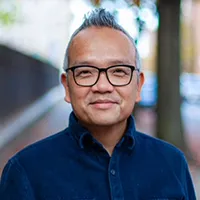
Duy Linh Tu is a journalist and documentary filmmaker, focusing on education, science, and social justice. His work has appeared in print, online, on television, and in theaters. He is also the author of "Narrative Storytelling for Multimedia Journalists" (Focal Press).
Professor Tu teaches reporting and video storytelling courses at the Journalism School. He is also a graduate of the program.
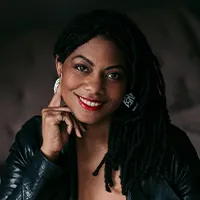
Tamara J. Walker is the author, most recently, of Beyond the Shores: A History of African Americans Abroad (Crown, 2023). Part historical exploration, part travel memoir, the book reveals poignant histories of a diverse group of African Americans who left the United States over the course of the past century. Like the talented young comedienne who graced theater stages in Paris and London. And the pair of gifted Black crop scientists who moved with their families for Uzbekistan. There’s also a career woman turned housewife who found herself searching for purpose in Germany, a Peace Corps volunteer discovering his power in Kenya, and so many others. Together, the interwoven stories highlight African Americans’ complicated relationship to the United States and to the world at large. At the Institute, she will organize a series of talks, workshops, and podcast recordings focused on the experiences of African Americans in Paris, past and present.
An historian and Associate Professor of Africana Studies at Barnard College, Tamara J. Walker's scholarship focuses on the history of slavery in Latin America and its legacies in the modern era. In addition to essays published in Gender & History, Slavery & Abolition, Souls, the Journal of Women’s History and elsewhere, she is the author of Exquisite Slaves: Race, Clothing, and Status in Colonial Lima (Cambridge, 2017), which won the 2018 Harriet Tubman Prize from the Schomburg Center for Research on Black Culture.
2022–23
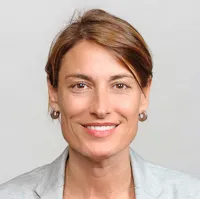
Francesca Bartolini is an Associate Professor of Pathology and Cell Biology at Columbia University Medical Center.
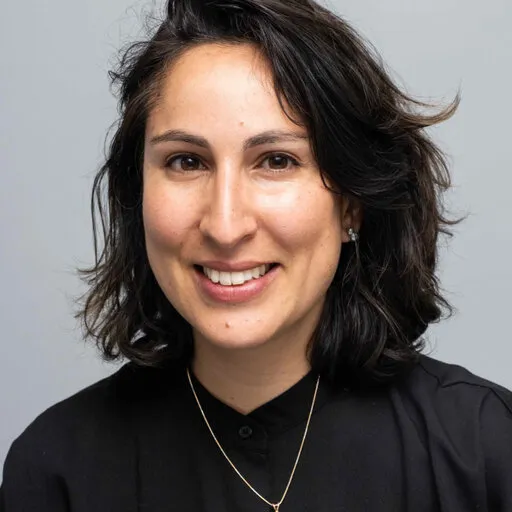
Lola Ben Alon is an Assistant Professor at Columbia GSAPP and the director of the Natural Materials Lab and the Building Tech curriculum.
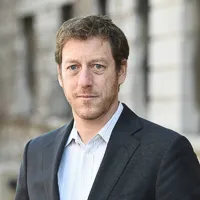
Michael Burger is the Executive Director of the Sabin Center for Climate Change Law and a Senior Research Scholar at Columbia Law School.

Kimberlé Crenshaw is the Isidor and Seville Sulzbacher Professor of Law.
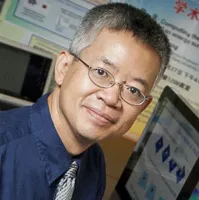
Qiang Du is a Fu Foundation Professor of Applied Mathematics.
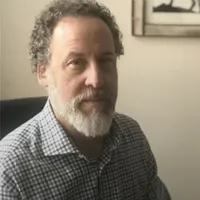
David Goldberg is the Deputy Director of Academic Affairs and Diversity at the Lamont-Doherty Earth Observatory.
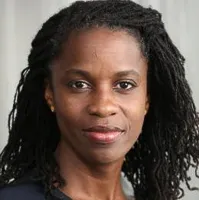
Olatunde Johnson is the Ruth Bader Ginsburg ’59 Professor of Law.
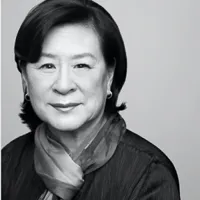
Mae Ngae is the Lung Family Professor of Asian American Studies and a Professor of History.
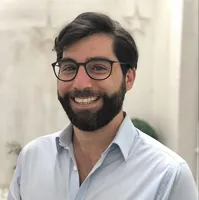
Alfredo Spagna is a Lecturer in the Discipline of Psychology and the Director of Undergraduate Studies in Neuroscience & Behavior.
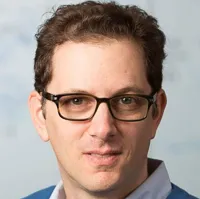
Adam H. Sobel is a Professor of Applied Physics and Applied Mathematics and of Earth and Environmental Sciences.
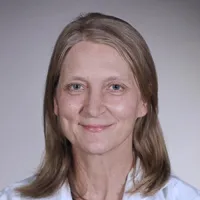
Delphine Taylor is an Associate Professor at the Columbia University Vagelos College of Physicians and Surgeons and an internist in New York City. She is affiliated with multiple hospitals in the area.
2026 – 2027 Application
Columbia University faculty and researchers are encouraged to apply to the Faculty Visitorship Program at Reid Hall, jointly supported by the Columbia Global Paris Center and the Institute for Ideas and Imagination. Visitors are invited to stay for one to three weeks.
The deadline for 2026– 2027 applications is April 30, 2026.
Applications are now closed.
Contacts
If you have questions concerning our faculty visitorship program, please contact
Brunhilde Biebuyck
Director
Columbia Global Paris Center
[email protected]
Marie d'Origny
Paris Director
Institute for Ideas and Imagination
[email protected]
Marie Doezema
Senior Special Projects Manager
Columbia Global Paris Center
[email protected]