Event Recap: Rising Temperatures, Rising Tensions – What Are the Security Implications for Greece and its Neighbors?
On February 17, 2025, the Athens Columbia Global Center, in collaboration with the Earth Commons of Georgetown University, hosted a panel discussion titled Rising Temperatures, Rising Tensions – What Are the Security Implications for Greece and its Neighbors?
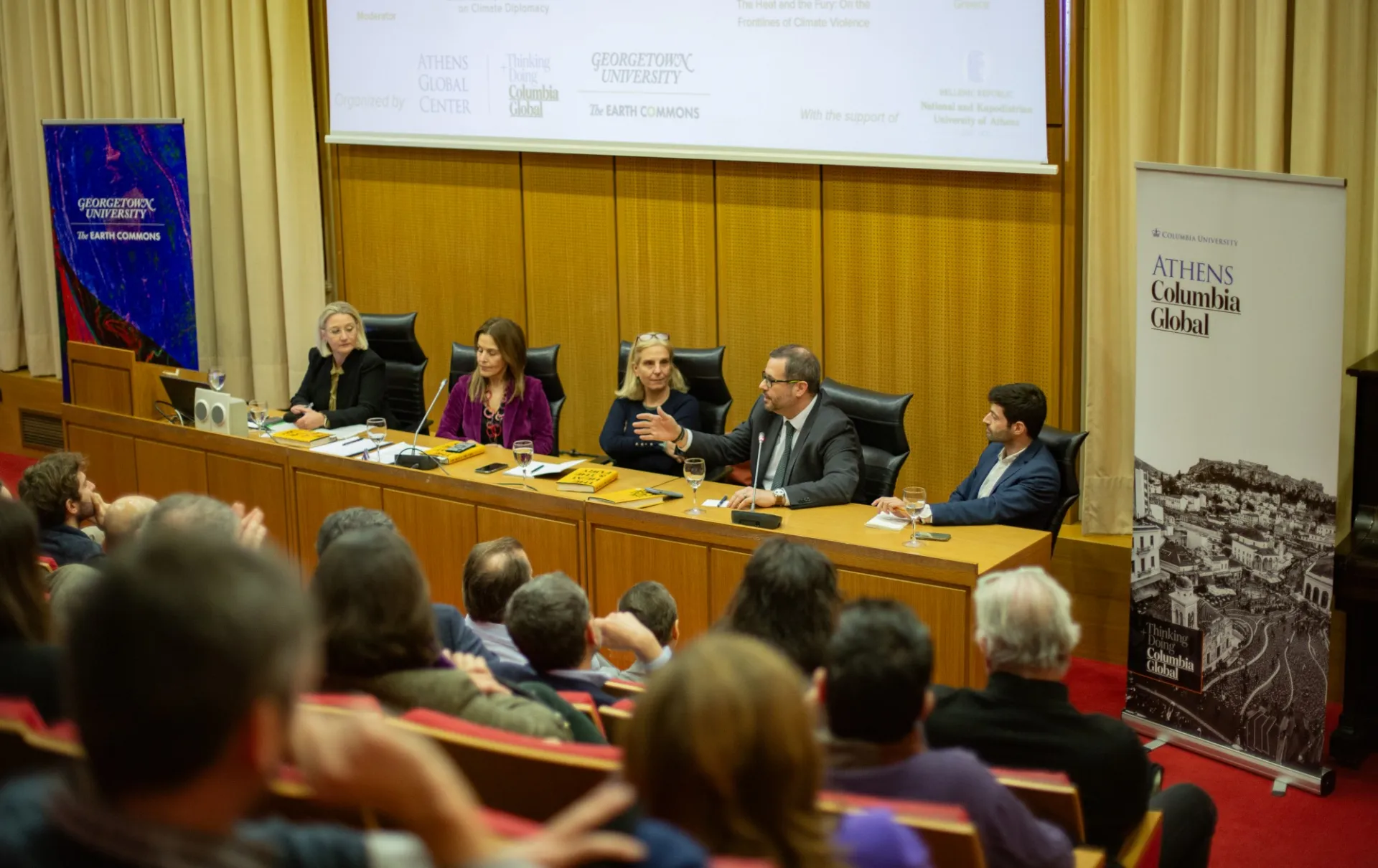
Held at the Alkis Argyriadis Auditorium in central Athens, the event brought together over 100 attendees, including academics, students, and members of the public, to explore how climate change is reshaping regional security, governance, and migration patterns.
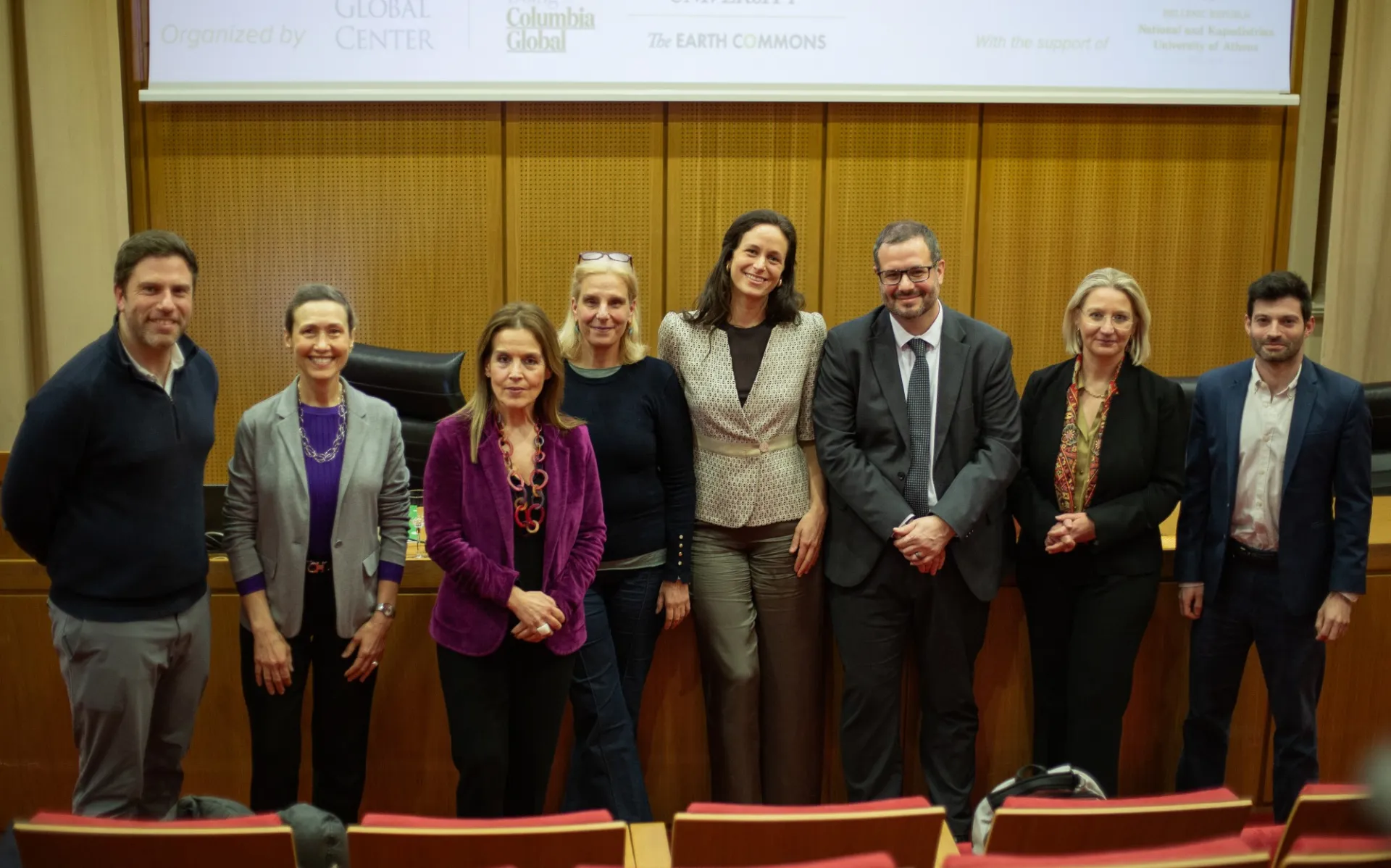
Moderated by Ioli Christopoulou, Partner & Policy Director at The Green Tank, the discussion facilitated insightful conversations on how environmental degradation and rising temperatures are altering the geopolitical dynamics of the region.
The panel featured Peter Schwartzstein, Environmental Journalist & Consultant; Eleni Myrivili, UN Chief Heat Officer with a PhD in Anthropology from Columbia University (Class of 2004); Emmanuella Doussis, Professor at the National and Kapodistrian University of Athens and Chairholder of the UNESCO Chair on Climate Diplomacy; and Nikos Tsafos, Chief Energy Adviser to the Prime Minister of Greece.
The panel explored pressing questions around the security challenges posed by climate-driven migration, border tensions, and the need for regional cooperation to ensure stability and resilience.
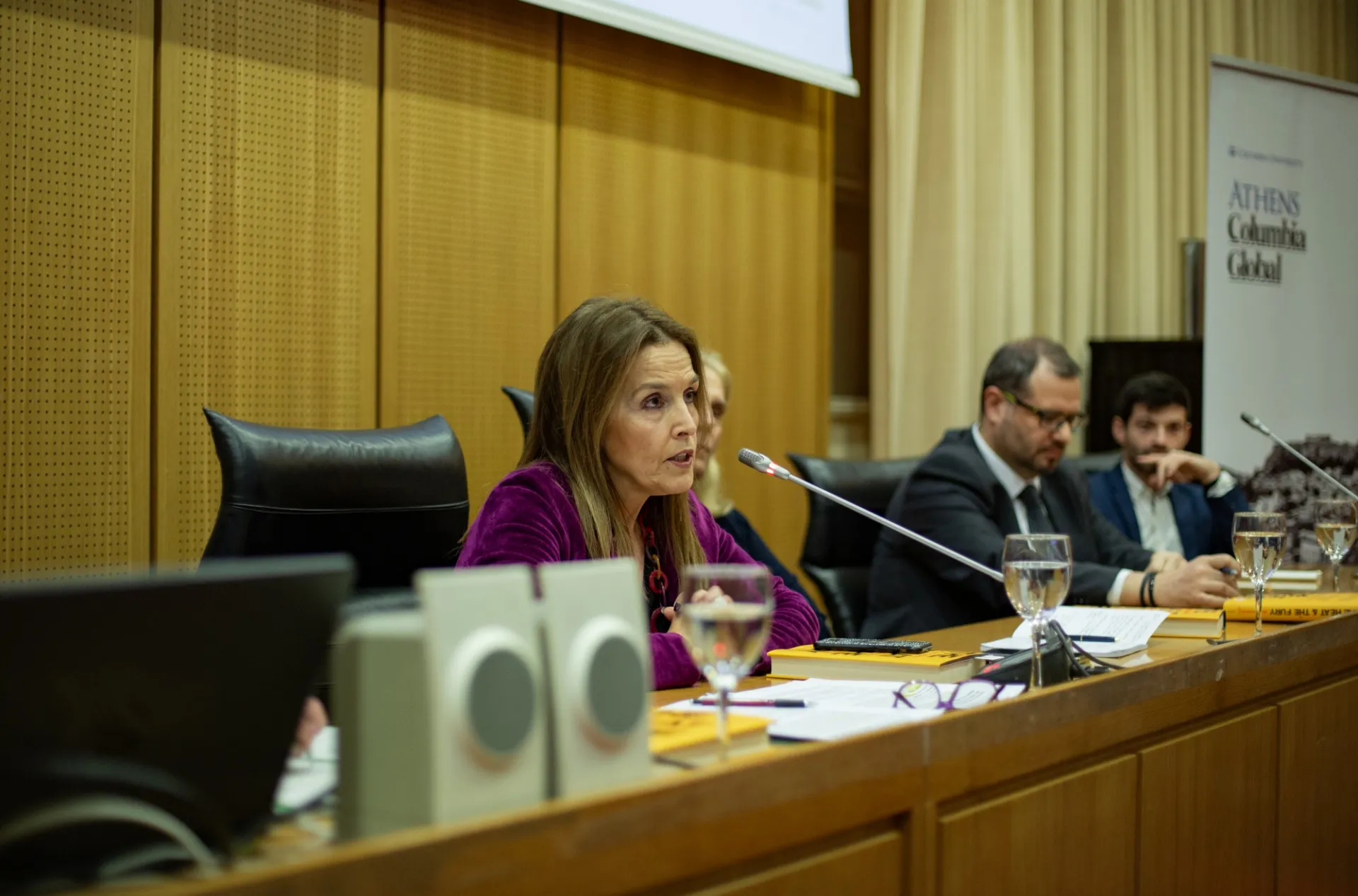
Eleni Myrivili, (PhD in Anthropology, Columbia University, 2004), emphasized the importance of integrating climate solutions into city strategies and encouraged greater citizen engagement in politics. She stated, “It is crucial for people to engage actively in decision-making processes to drive meaningful change in addressing climate challenges.”
The event opened with remarks from Stefanos Gandolfo, Director of the Athens Columbia Global Center, and Katerina Downward, Managing Director for Greece of Earth Commons at Georgetown University. Both emphasized the importance of interdisciplinary collaboration in addressing the region’s growing climate security challenges.
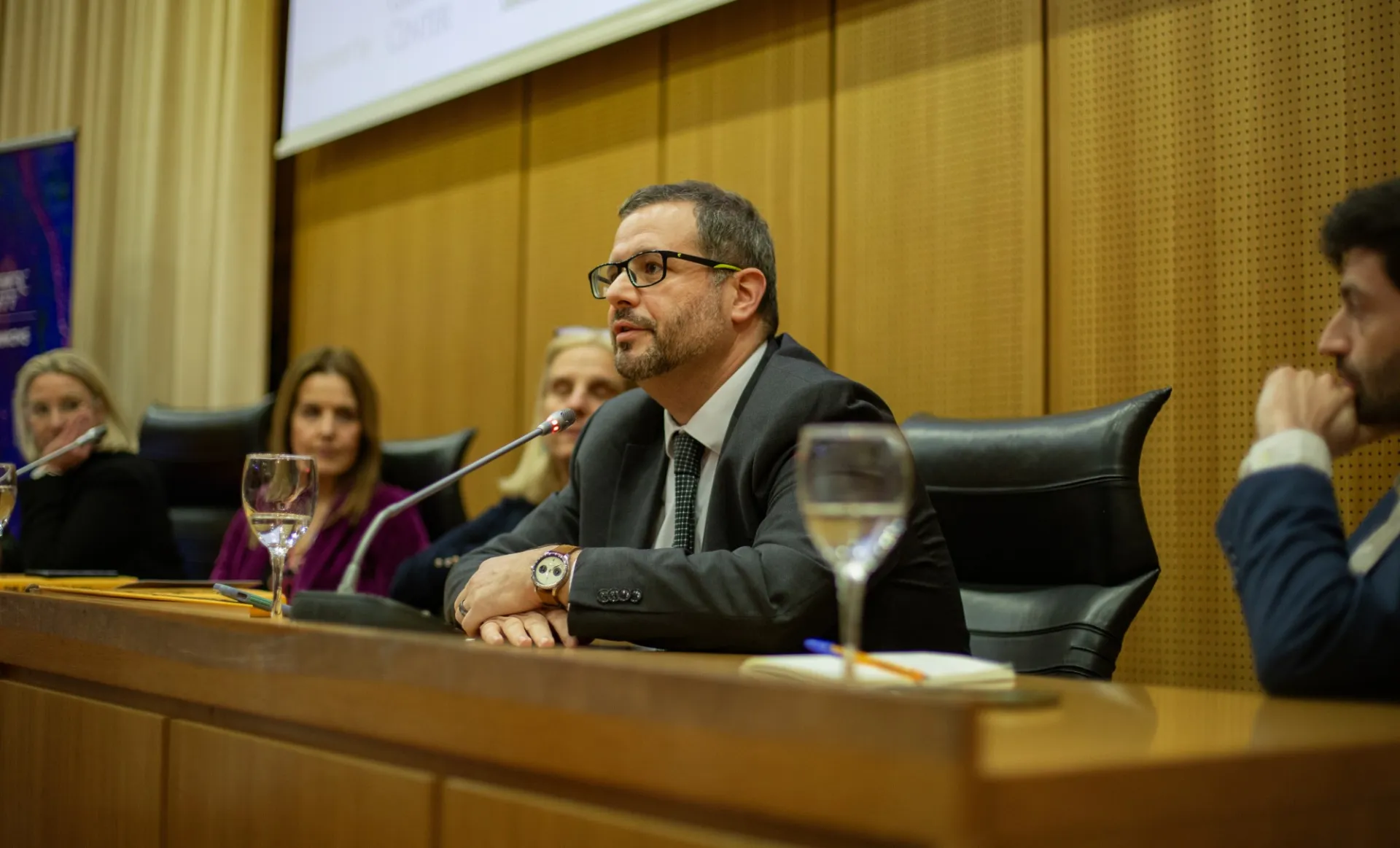
Nikos Tsafos discussed the shift in energy strategies, saying, “The world is shifting towards utilizing renewable energy sources like solar and wind—resources that are readily available—rather than relying on those we lack access to. This transition presents a tremendous opportunity for our country. Since 2005, Greece has reduced its emissions by 45%, with the power sector being the main driver of this progress.”
Peter Schwartzstein illustrated how climate instability can exacerbate violence and societal tensions. He cited the example of ISIS profiting from the collapse of agriculture in regions like Iran and Morocco and highlighted the correlation between heat waves and increased violence against women.
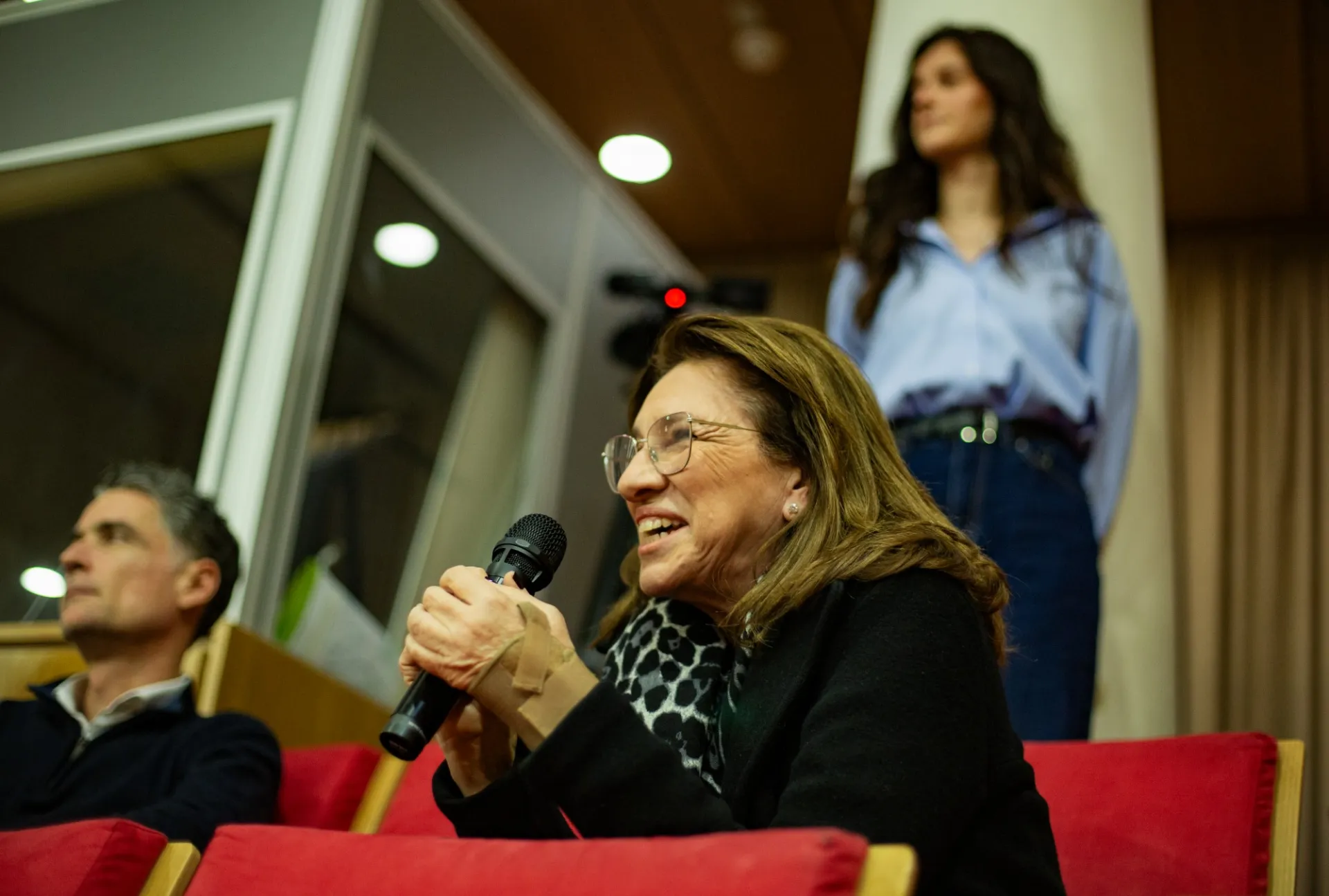
A lively Q&A session followed the panel discussion, allowing attendees to engage directly with the experts. Questions ranged from the role of education and governance in climate action, to the potential for international partnerships to mitigate climate-related security risks.
As climate risks continue to intensify, the Athens Columbia Global Center remains committed to fostering critical discussions on climate security and regional cooperation. This event underscored the urgent need for adaptive strategies, thoughtful policy interventions, and collective action to navigate the challenges ahead.