The Global Centers aim to educate and inspire through research, academics, and dialogue to embrace complexity, create partnerships, and build the bridges necessary to tackle today's challenges.
President’s Global Innovation Fund
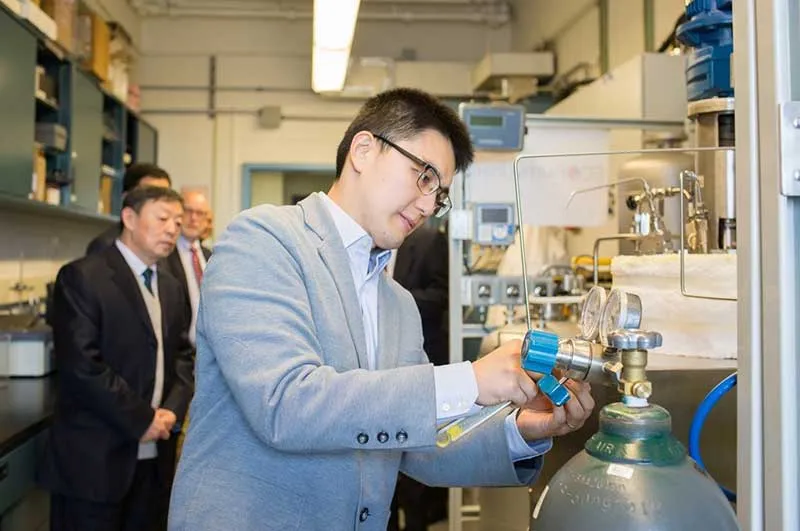
Launched in March 2013 by President Lee C. Bollinger, the President’s Global Innovation Fund offers support for faculty to develop projects and research collaborations within and across the University’s nine Columbia Global Centers, to increase global opportunities for research, teaching, and service.
Read more about the projects funded since the project's inception.
Our Programs
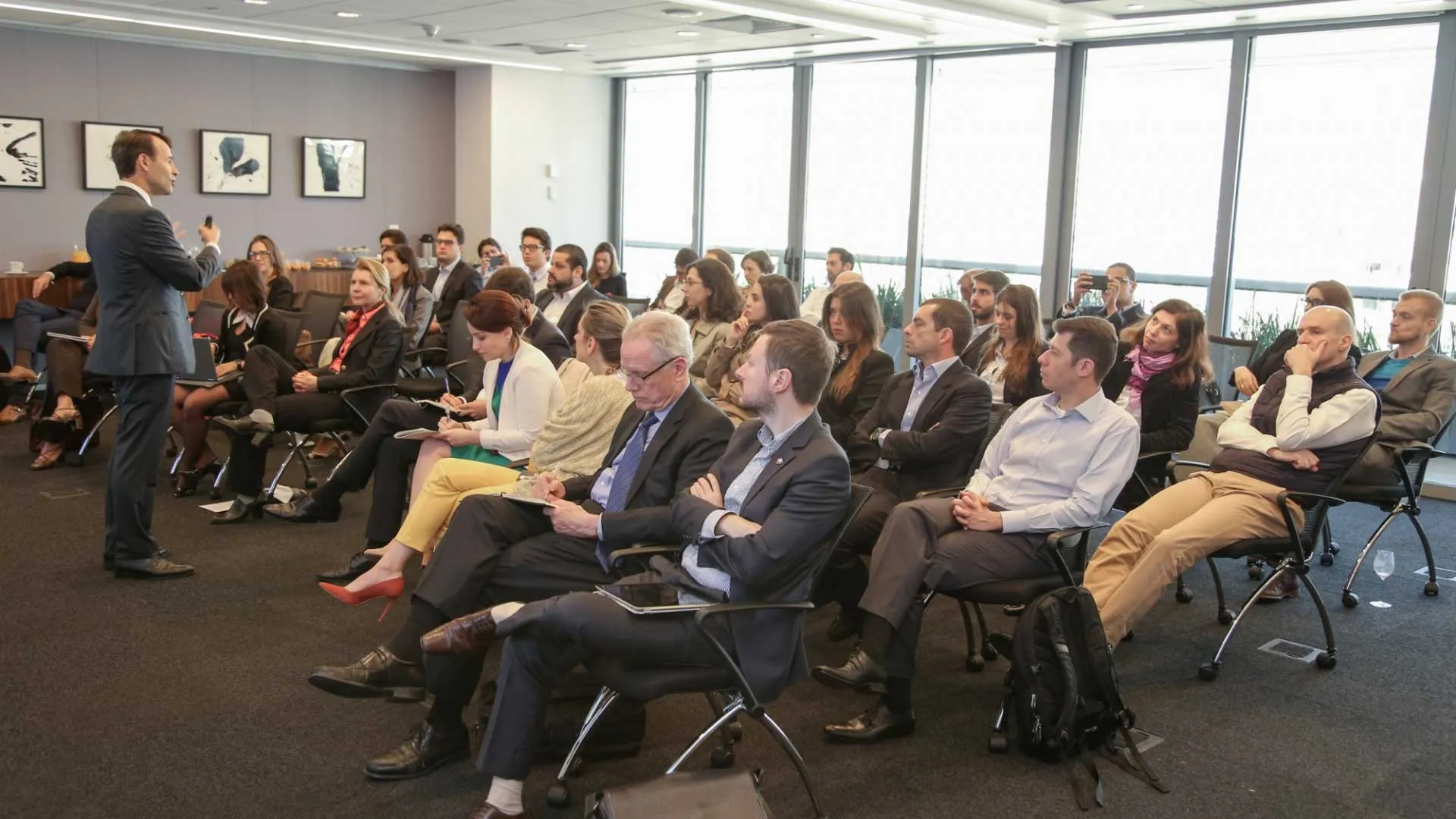
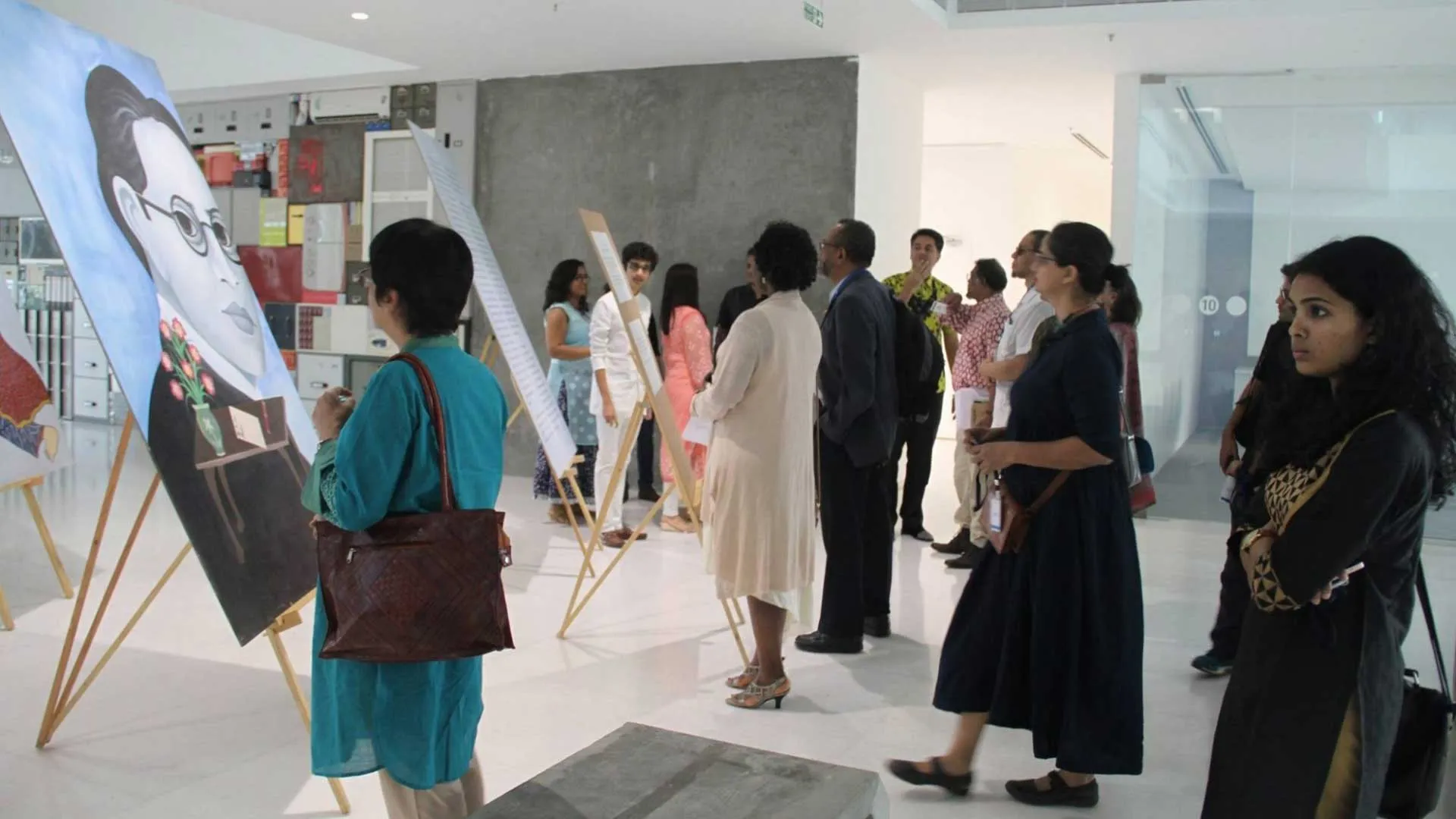
The nine centers work individually and as a network to drive teaching and research across disciplinary boundaries, in partnership with experts and scholars from their regions. By exploring global ideas both on campus and through their work in these regions, Columbia reaffirms both its relevance and its commitment to creating meaningful impact and contributing a positive legacy for generations to come. It also opens up extraordinary possibilities for like-minded partners to join in achieving these transformative goals.
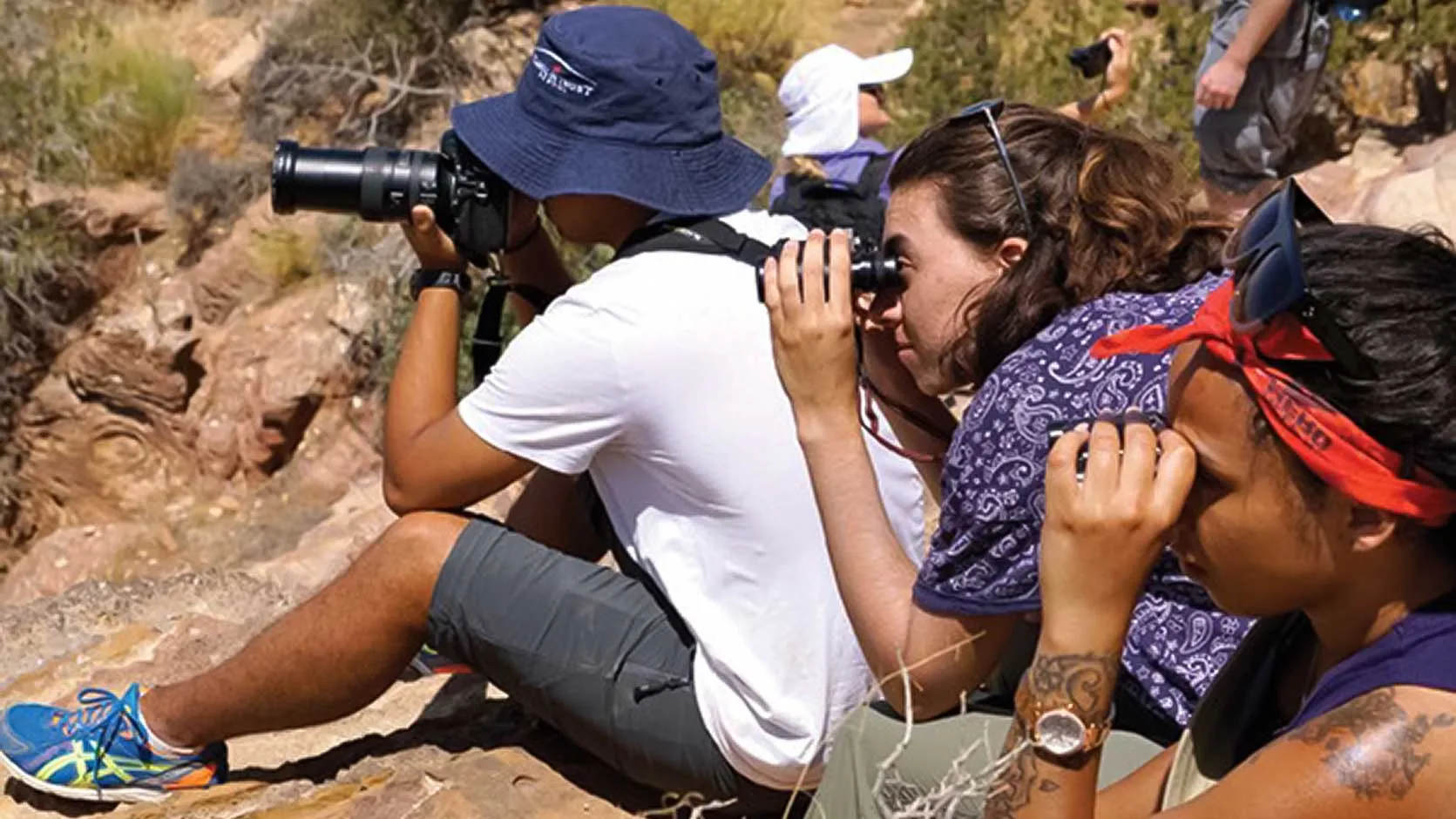
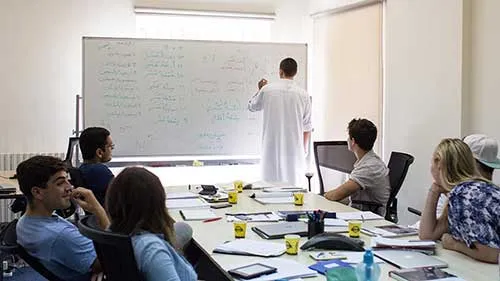
In conjunction with Columbia’s Office of Global Programs and Columbia Global Centers | Tunis, the Amman Center holds an annual Arabic language program and the Columbia MENA Summer Institute in May-August. The programs are run by Taoufik Ben-Amor, Gordon Gray Jr. Senior Lecturer in Arabic Studies, and Madeleine Dobie, Professor of French and Romance Philology, who leads the cultural seminar.
The nine-week intensive summer program offers a multi-faceted introduction to the languages, culture, and history of the Middle East and North Africa. During the first part of the Columbia MENA Summer Institute, students spend time in Amman learning Arabic and attending seminars that examine the interrelatedness of the Mashrek and the Maghreb dialects through various disciplines.The second part of the program takes place in Tunis, whereby students continue to study Arabic and examine various themes. They are given the opportunity to learn Mashreki in Amman and Maghrebi Darija in Tunis. Both programs attract around 30 Columbia and non-Columbia undergraduate and graduate students, with a group of them who travel on to Tunis.
For more information, please visit the Summer Arabic Language Program website.