Project Description
After sudden-onset disasters like the 2023 earthquake in Türkiye and Syria, humanitarian responders must act within hours but rarely have a shared picture of who needs what, where, and how urgently. They face a surge of requests from local government, municipalities, civil society organizations, and community representatives through disjointed calls and messages. From this patchwork of unstructured requests, aid organizations must rapidly prioritize which to address given the vast gap between limited resources and the scale of damage, especially in the light of needs of vulnerable groups. Traditional needs assessments take weeks, far too slow when lives hang in the balance.
Our project aims to transform chaotic request streams into structured, decision-ready information for coordinated humanitarian relief. Leveraging machine learning, statistical inference, and optimization, we will develop intelligent decision-support tools that manage uncertainty end-to-end, transforming noisy, chaotic request streams into actionable recommendations. In partnership with the UN World Food Programme (WFP) Türkiye and Hayata Destek, this platform will be designed for humanitarian aid coordination groups to strengthen preparedness for future emergencies, including the expected Istanbul earthquake, and adaptable to disasters beyond Türkiye.
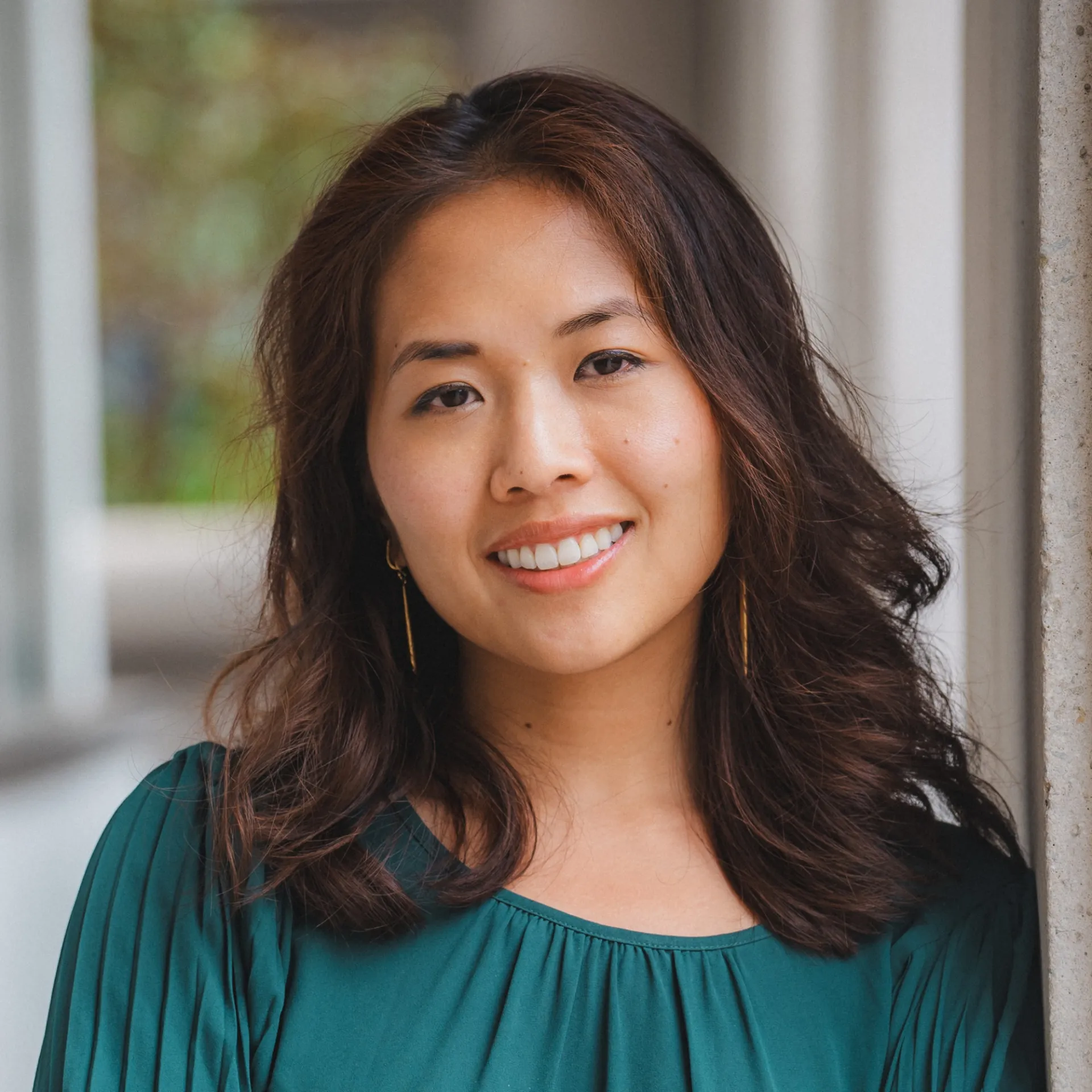
Our team is led by Lily Xu, Sun-Wu Assistant Professor at Columbia, and co-led by Burcu Balçık, Professor at Özyeğin University, Nabila El-Bassel, University Professor and Willma and Albert Musher Professor of Social Work at Columbia, and Aras Selvi, Assistant Professor of Operations & Technology at the UCL School of Management.
Project Description
The imminent threat of a major earthquake in Istanbul creates a pervasive climate of "chronic disaster," imposing a psychological burden that paralyzes decision-making and erodes workforce resilience long before the physical event occurs. While current preparedness efforts focus heavily on structural retrofitting, there is a critical gap in addressing the "human infrastructure." This 24-month project, "Building Trauma-Aware Organizations," aims to bridge this gap by establishing the first evidence-based framework for organizational psychosocial preparedness within the Marmara Region’s critical industrial ecosystem.
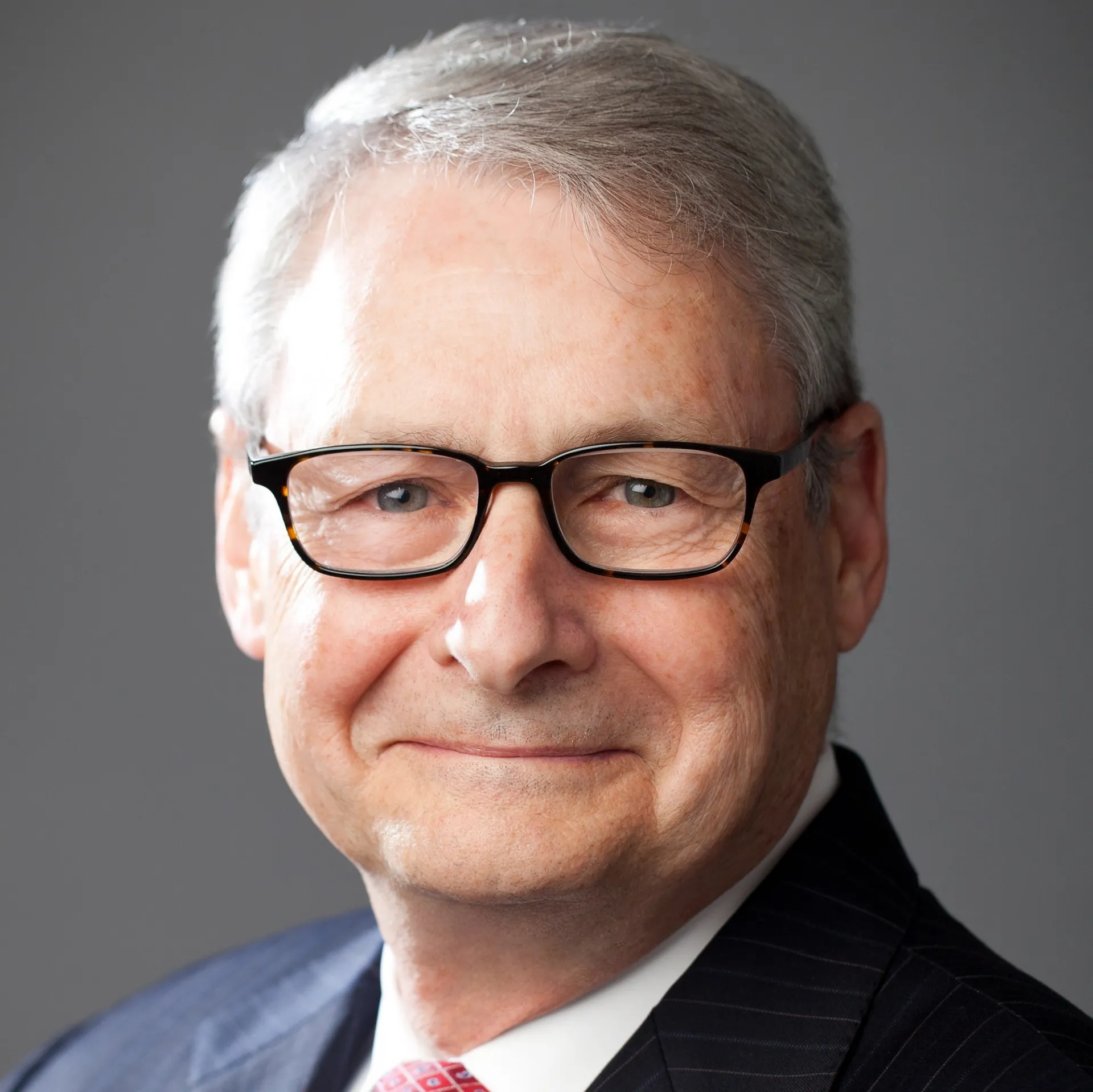
A joint initiative between Columbia University and the core team in Türkiye, consisting İdil Işık, Professor at Bahçeşehir University and the Association of Work Organizational and Industrial Psychologists (IOCP), the project utilizes a mixed-methods design. Phase I involves conducting in-depth interviews with senior executives across 11 provinces to map the lived experience of leadership under threat. Phase II validates these findings through large-scale quantitative surveys distributed across organized industrial zones, facilitating the development of a novel "Organizational Trauma Risk Scale."
These diagnostics will culminate in the design and pilot implementation of "Building Trauma-Aware Organizations" tailored for employees, HR managers, and leadership. By moving beyond individual stress management to structural "trauma-awareness," the project will deliver a scalable toolkit and actionable policy recommendations via a convening summit. Ultimately, this initiative seeks to transform the region's industrial sector from a state of trauma-blindness to proactive resilience, ensuring the economic engine of Türkiye can psychologically withstand and rapidly recover from the inevitable disaster.
Earthquake preparedness through digital twin modeling of soil-structure systems for site-specific risk assessment in Türkiye
Project Description
In the wake of the catastrophic earthquakes of February 6, 2023, which claimed tens of thousands of lives and caused widespread destruction across 10 major provinces in southern Türkiye, the international civil engineering community has been tasked with a critical mandate to revolutionize seismic risk assessment. The objective of this project is to shift the paradigm of urban seismic safety from a reactive, historical framework into a proactive, predictive science.
Traditional earthquake engineering relies on computationally intensive finite element simulations. While highly accurate, these classical physics-based models are too computationally expensive to scale across entire metropolitan regions. Conversely, rapid empirical assessment tools, though highly scalable, lack the physical precision required to capture complex, site-specific soil-structure interactions (SSI)—the very interactions that dictate whether a building stands or collapses during a major tremor.
This project bridges this computational divide by introducing an Artificial Intelligence (AI) Foundation Model designed to function as an open-access, city-scale virtual stress-test engine. The proposed platform constructs a highly advanced "digital twin" of Türkiye's urban centers, represented mathematically as a dynamic, edge-weighted, and node-weighted graph. By training this AI system on a massive, hybrid dataset that merges sparse historical accelerograms with physics-based, autonomously updating synthetic simulations, the platform achieves the unique ability to instantly synthesize site-specific ground motions and model the dynamic interaction between local soils and building structures. Rather than relying on generic regional estimates, urban planners and structural engineers can select any node in the urban network to generate a localized, probabilistic safety assessment, allowing them to allocate the retrofitting resources to the most critical infrastructure to save lives.
The cornerstone of this initiative is a strategic partnership with the Kandilli Observatory and Earthquake Research Institute and a direct collaboration with Eser Çaktı, Professor at Department of Earthquake Engineering at Boğaziçi University.