Dialoguing about culture in different ways
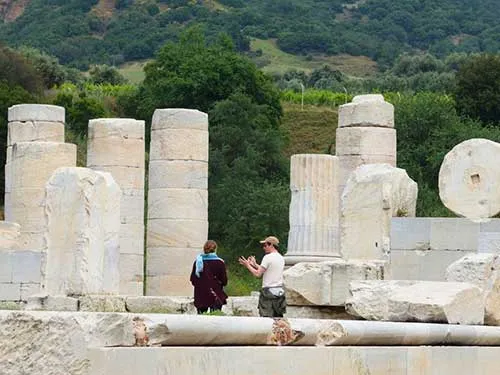
During a 9-day, 1,200-mile journey across the ancient ruins of Western Turkey, doctoral students at Columbia University examined remnants of Istanbul’s past. “From the Byzantine marvels of Hagia Sophia… to the subterranean mystique of the Basilica Cistern… each site bore witness to the city's enduring legacy,” members of the class wrote about their experiences. The trip was a collaboration between the Columbia Global Center in Amman and the university’s Center for Ancient Mediterranean, with Professor Ellen Morris,chair, Classical Studies Graduate Program, and Paraskevi Martzavou, lecturer in the Classics Department.
Another group of students explored the history of connections between Columbia and the Arab world following an immersive yearlong project led by the Columbia Global Center in Amman. The project involved students to examine both historical and contemporary issues across the Middle East and culminated in a collection of essays. In the Summer of 2024, the Athens Center and the Center for Undergraduate Global Engagement will take undergraduate and graduate students to Greece for a one-week seminar to study the history and culture of Athens.
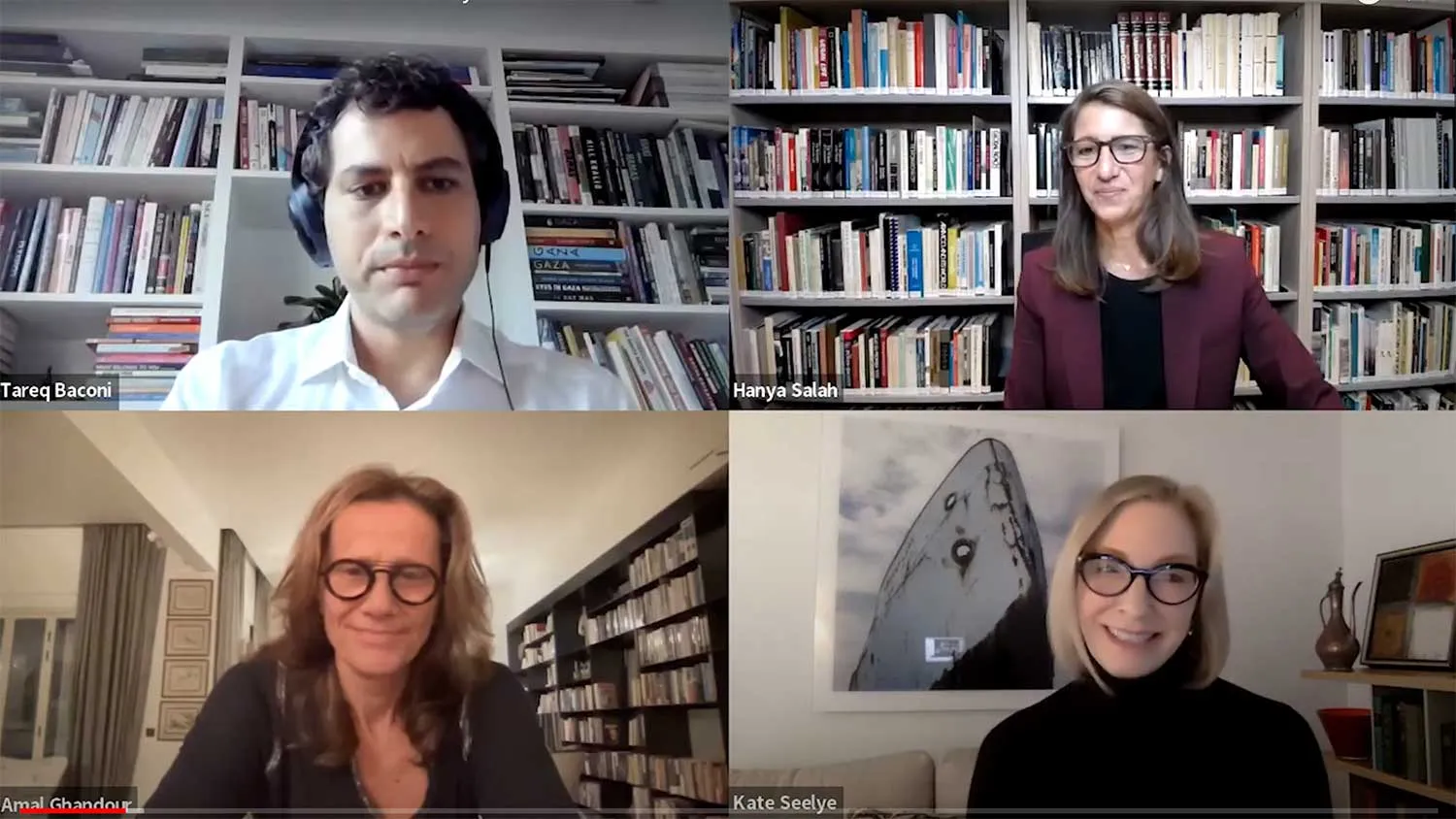
In Jordan, the Amman Center is leading an ongoing webinar series showcasing works by Arab authors—among them, Amal Ghandour. Her memoir, This Arab Life: A Generation’s Journey into Silence, recounts her experience growing up in Lebanon and Jordan, and the pain of a privileged yet unfulfilled generation challenged by political repression and economic corruption.
A journey through time
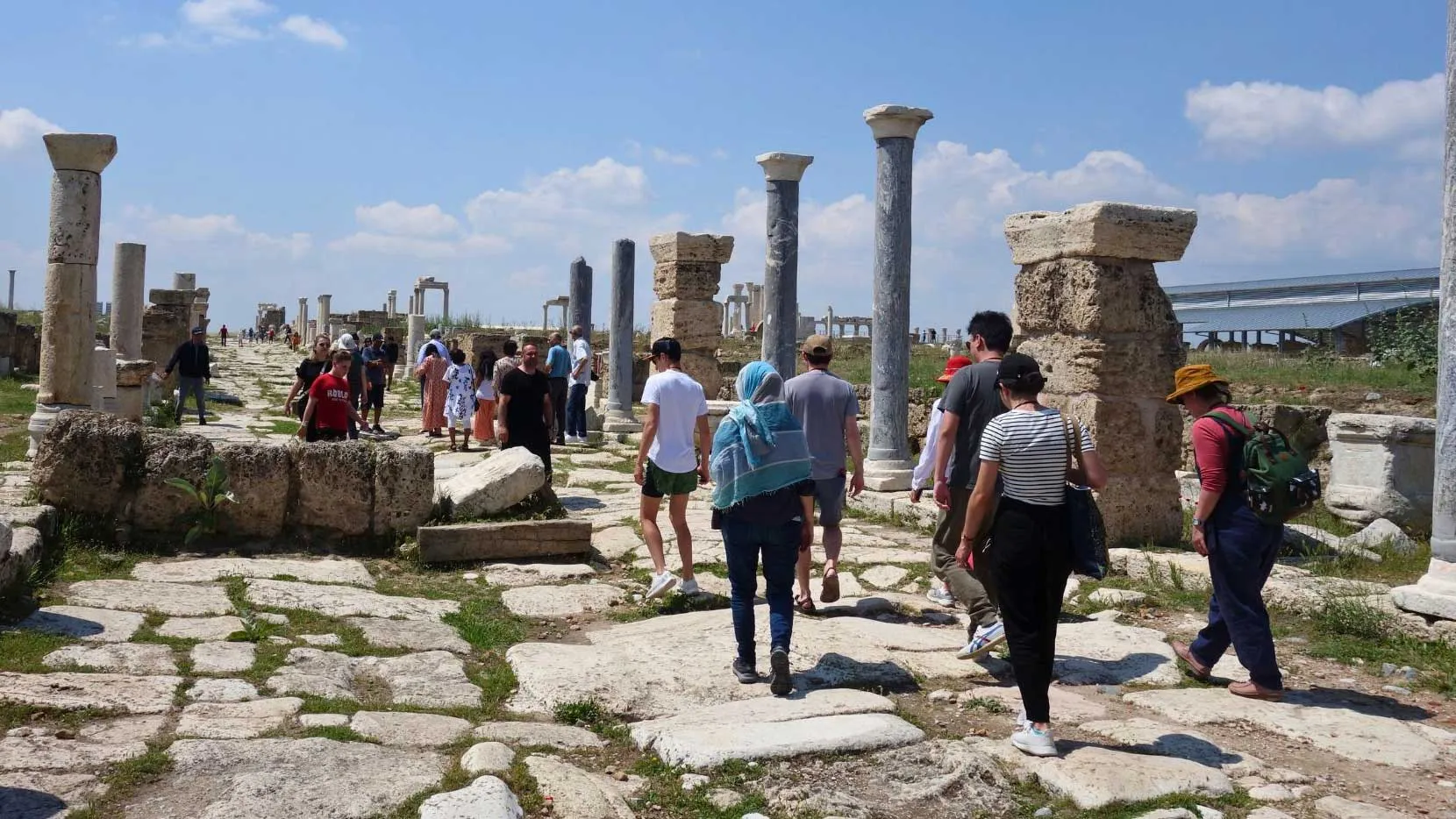
During a 9-day, 1,200-mile journey across the ancient ruins of Western Turkey, Ph.D. candidates examined remnants of Istanbul’s past. “From the Byzantine marvels of Hagia Sophia… to the subterranean mystique of the Basilica Cistern… each site bore witness to the city's enduring legacy,” members of the class wrote about their experiences.
Columbia's ties to Arab world
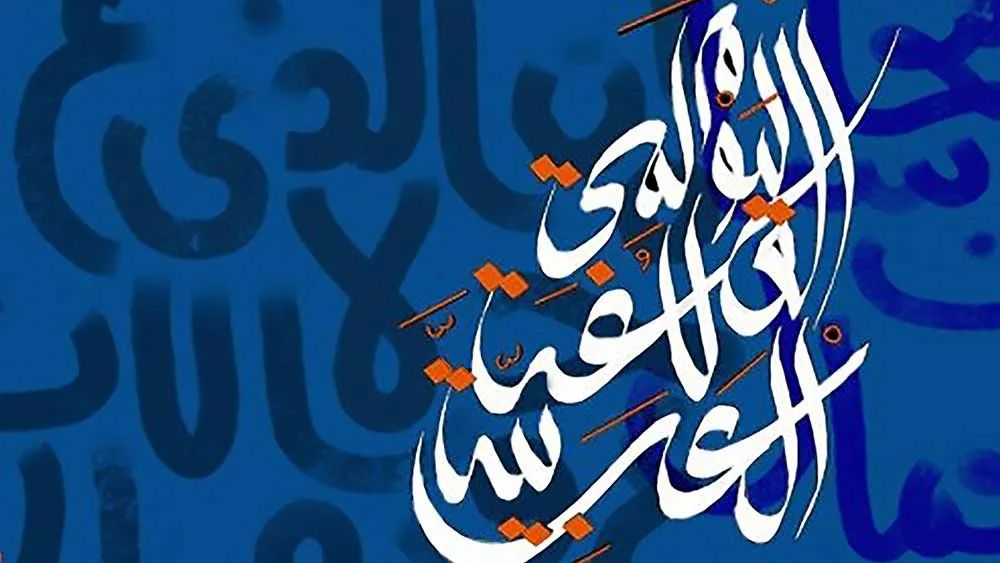
Another group of students detailed the university’s ties with Arabs and the Arab world following an immersive yearlong project led by the Amman Center. The project pushed scholars to analyze both historical and contemporary issues across the Middle East and culminated in a collection of essays.
Showcasing Arab authors
The Amman Center is also offering an ongoing webinar series showcasing works by Arab authors—among them, Amal Ghandour. Her memoir, This Arab Life: A Generation’s Journey into Silence, recounts her experience growing up in Lebanon and Jordan, and the pain of a privileged yet unfulfilled generation plagued by political repression and economic corruption.
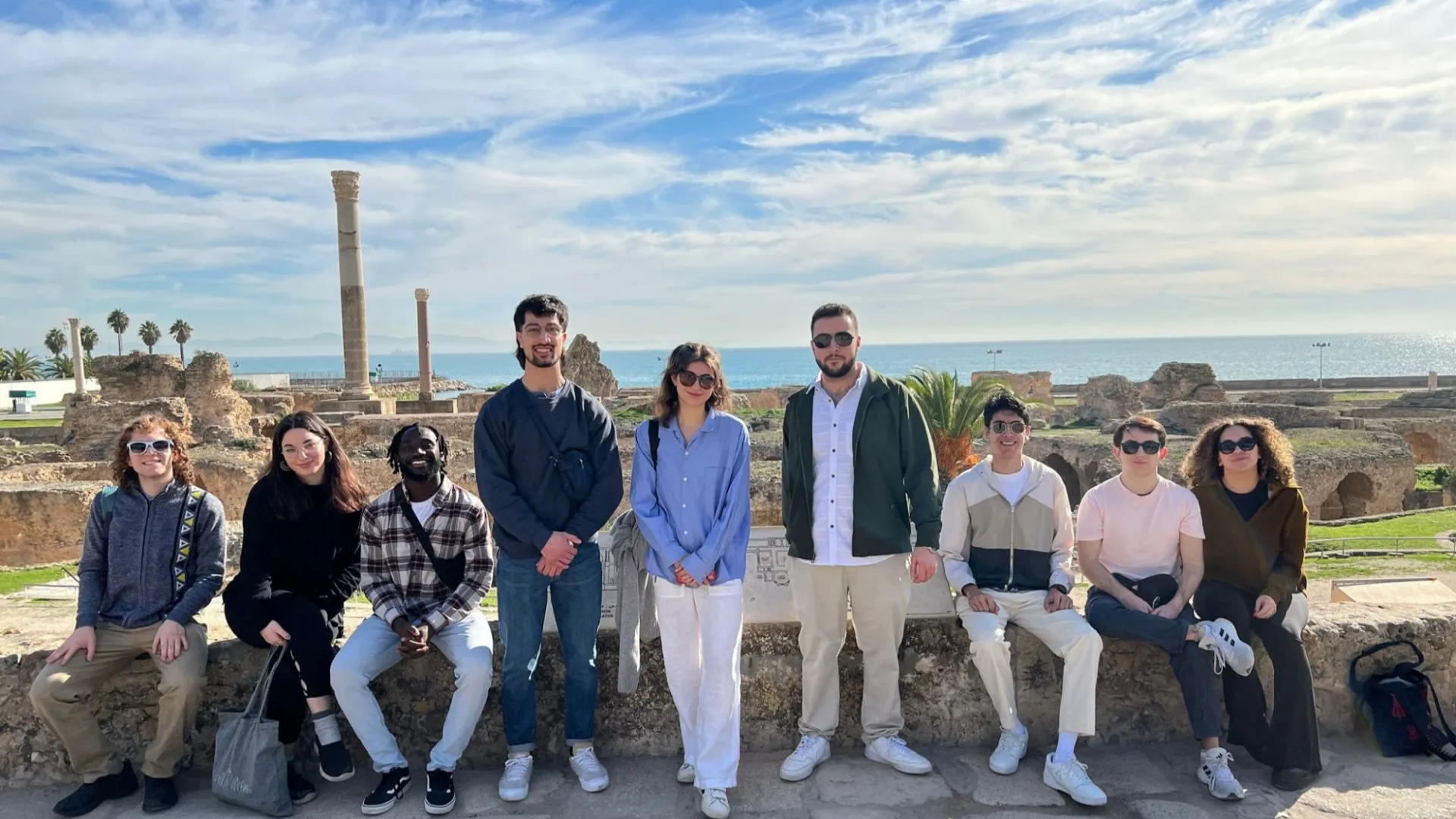
Columbia Global Centers | Tunis hosted the 2024 Kraft Global Fellows for an exploration of Tunisia's past and present. The nine students embarked on a 10-day exploration of the country, journeying from its northern to southern regions to uncover the rich legacies of Phoenician, Roman, African and Arab civilizations.
Women are making waves through their words
An anthology spanning 7,000 years of Arab women writing, We Wrote in Symbols: Love and Lust by Arab Women Writers explores love and lust through a collection of short stories, novel excerpts, and poetry. An online discussion of the book, hosted by the Amman Center, highlighted the need to amplify the voices of women and other marginalized communities, past and present.
“This is a question of reclaiming the narrative,” said Lynn Gaspard, the book’s publisher.
Author Nana Darkoa Sekyiamah relayed a similar message as she delved into her book, The Sex Lives of African Women, during a webinar held by the Nairobi Center as part of its ongoing African Book Talk series. “I encourage other women to share their experiences… to build a collective consciousness around the politics of pleasure,” she wrote.
In the same spirit, Khabar Lahariya — a women-led media company in rural India — serves up an “unflinching feminist perspective,” documenting everyday stories of the disenfranchised. “The important voices of women cannot be left unheard,” asserted Kavita Bundelkhandi, the organization’s editor-in-chief, during a panel held at the Mumbai Center.
One woman’s voice, that of the late Gabriela Mistral—the only Latin American woman to receive a Nobel Prize in Literature— will be lifted up at the Santiago Global Center later this year. The Center will host discussions featuring two of the author’s works, including her first book, Desolación.
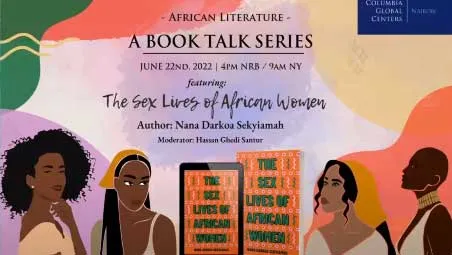
Author Nana Darkoa Sekyiamah relayed a similar message as she delved into her book, The Sex Lives of African Women, during a webinar held by the Nairobi Center as part of its ongoing African Book Talk series. “I encourage other women to share their experiences… to build a collective consciousness around the politics of pleasure,” she wrote.
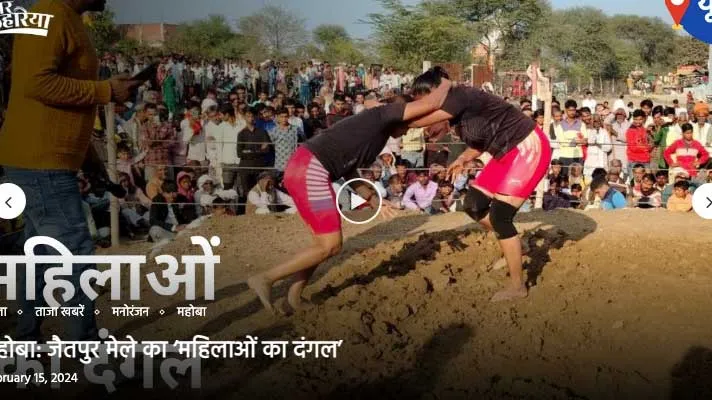
In the same spirit, Khabar Lahariya—a women-led media company in rural India—serves up an “unflinching feminist perspective,” documenting everyday stories of the disenfranchised. “The important voices of women cannot be left unheard,” asserted Kavita Bundelkhandi, the organization’s editor in chief, during a panel held at the Mumbai Center.
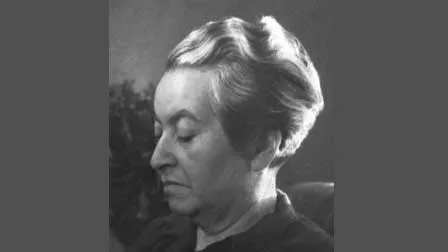
One woman’s voice, that of the late Gabriela Mistral—the only Latin American woman to ever receive a Nobel Prize in Literature— will be lifted up at the Santiago Global Center later this year. The Center will host discussions featuring two of the author’s works, including her first book, Desolación.
Digital tools foster memory and dialogue
Caracas-born journalist Fabiola Ferrero, a fellow at the Institute for Ideas & Imagination, offers an intimate account of the grief experienced by migrants through her ongoing project, I Can’t Hear the Birds. Through visual documentation and photographs, she “aims to build memory of who [Venezuelans] were and show migration from the point of view of those who see everything changing from the inside,” the artist explained.
Columbia Obama Foundation Scholar Pavel Kounchev is working to raise support for marginalized groups by leveraging technology through his Time Heroes Foundation, a civic engagement platform in Bulgaria that partners nonprofits with volunteers and pro-bono specialists.
Tackling grief as a consequence of COVID-19 through digital apps and videos was at the core of a project supported by Columbia World Projects that included researchers at Columbia Center for Prolonged Grief and community leaders in Harlem, New York. The initiative engaged youth in the neighborhood through in-person discussions and online forums, to shape the tools and resources to better serve the Black community.
At the Columbia Global Center in Mumbai, a team from Columbia University Libraries’ digital anti-caste archive project will work to digitize materials created by communities in India related to anti-caste advocacy. “We believe our institution has a responsibility to honor the labor and dedication of those archivists and collectors who devoted their lives to preserving the legacy of anti caste thinkers and activists,” said Barnard College Professor Anupama Rao, who is leading the project.
Raising the volume in music, radio and film
The Institute for Ideas and Imagination at the Columbia Global Center in Paris and the 1991 Project, a non-profit association that seeks to safeguard and promote Ukrainian music, partnered for a free concert celebrating Ukrainian and French composers, from Maurice Ravel to Valentyn Silvestrov.
An exploration of how film cultivates philosophical thinking was organized by the Beijing Center including film producer and Peking University vice-dean Yang Li.
Coming Soon
In our next edition, we’ll explore the cross-disciplinary work we do in Tech, Innovation, and Business. Until then, stay up to date on the latest programming and events at our websites: Columbia Global Centers, Columbia World Projects, the Committee on Global Thought and the Institute for Ideas and Imagination.