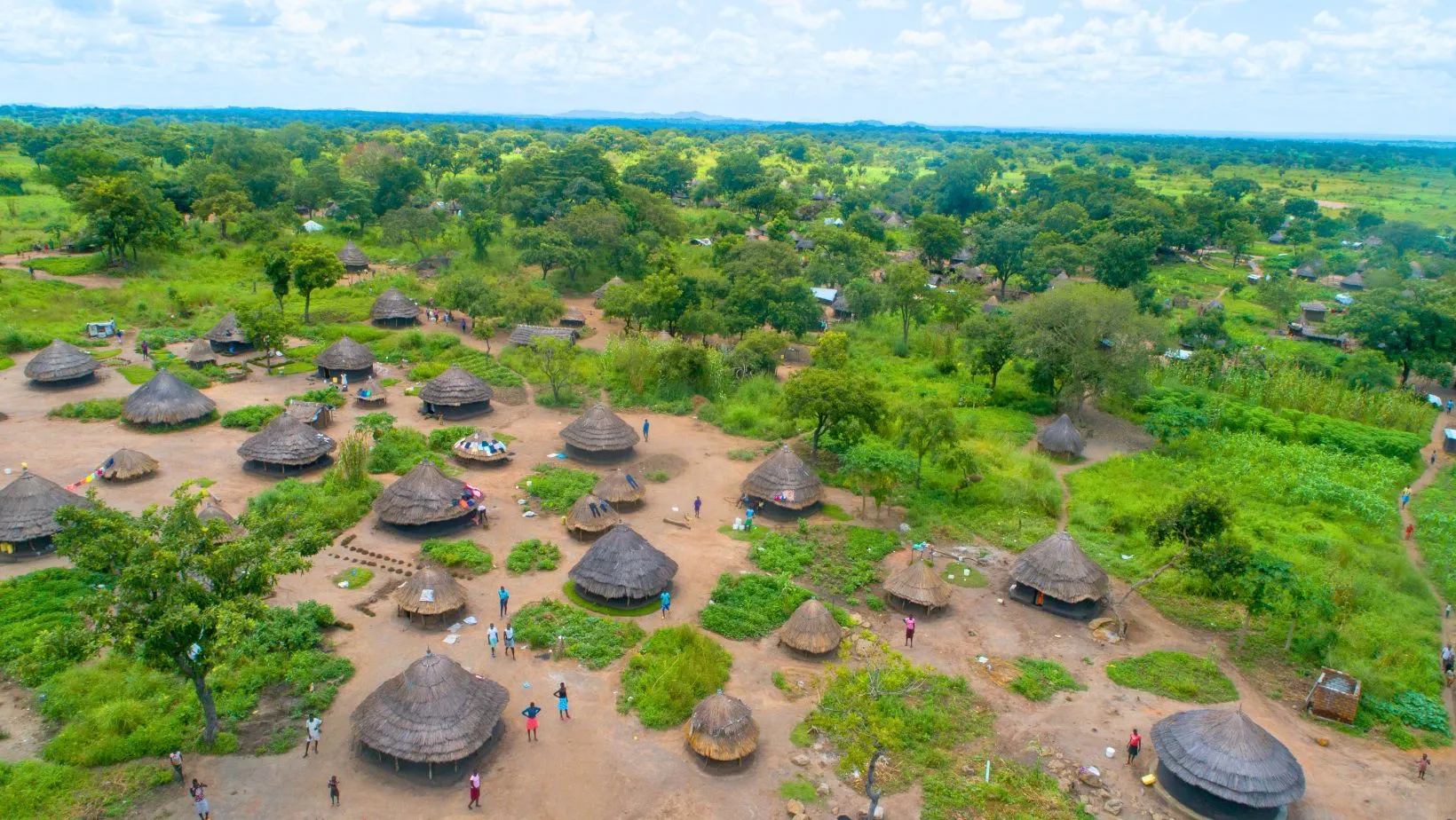
With the world's largest refugee camps located in Dadaab and Kakuma, Northern Kenya, the refugee and immigration crisis remains a critical issue, particularly in Eastern and Northern Africa. Columbia Global Centers | Nairobi is committed to addressing these challenges by providing a platform for meaningful dialogue and collaborative solutions. Our efforts are aligned with Columbia University's broader mission to engage with pressing global issues. Through our initiatives, we explore various aspects of migration, including forced displacement, human trafficking, refugee law, economic migration, labor mobility, labor rights, and human development. By fostering these discussions, we aim to contribute to informed policy-making and sustainable interventions that benefit migrants and host communities.
Our Programs
ONGOING
Columbia Global Emerging Scholars Fellowship Program
In December 2023, Columbia Global was awarded a grant by the Mellon Foundation to support its fellowship for displaced scholars in the humanities for three years. Every year, ten early-career fellows with displaced/refugee status will be hosted at three Global Centers—Amman, Nairobi, and Santiago—with programs to strengthen their research skills and professional networks and ultimately position them for successful academic careers. The Fellowship program builds on and learns from the highly effective Mellon-funded Emerging Displaced Scholars Fellowship pilot program at the Columbia Global Center in Amman, Jordan, from 2020 to 2023.
Support mechanisms for Fellows include the following:
- Linking Fellows to academics, practitioners, and experts across the Columbia Global Center network;
- Matching each Fellow with a Columbia faculty member to provide mentorship, advice and support;
- Providing access to online courses at Columbia University and customized training workshops to build the academic capacity of incoming fellows;
- Facilitating hands-on learning opportunities in program administration and implementation;
- Assisting Fellows in convening roundtable discussions, conferences, and talks in their respective subject areas;
- Enabling Fellows to embark on their academic pursuits in a safe environment and
- Highlighting Fellows’ publications and other intellectual endeavors by disseminating their work and facilitating exchange through the Global Center network and Columbia University.
- At the end of the year-long fellowship, Fellows will be expected to make a public presentation of the work they have produced during the fellowship year.
PAST
The 'Building Resilience in Crisis through Education' (BRiCE).
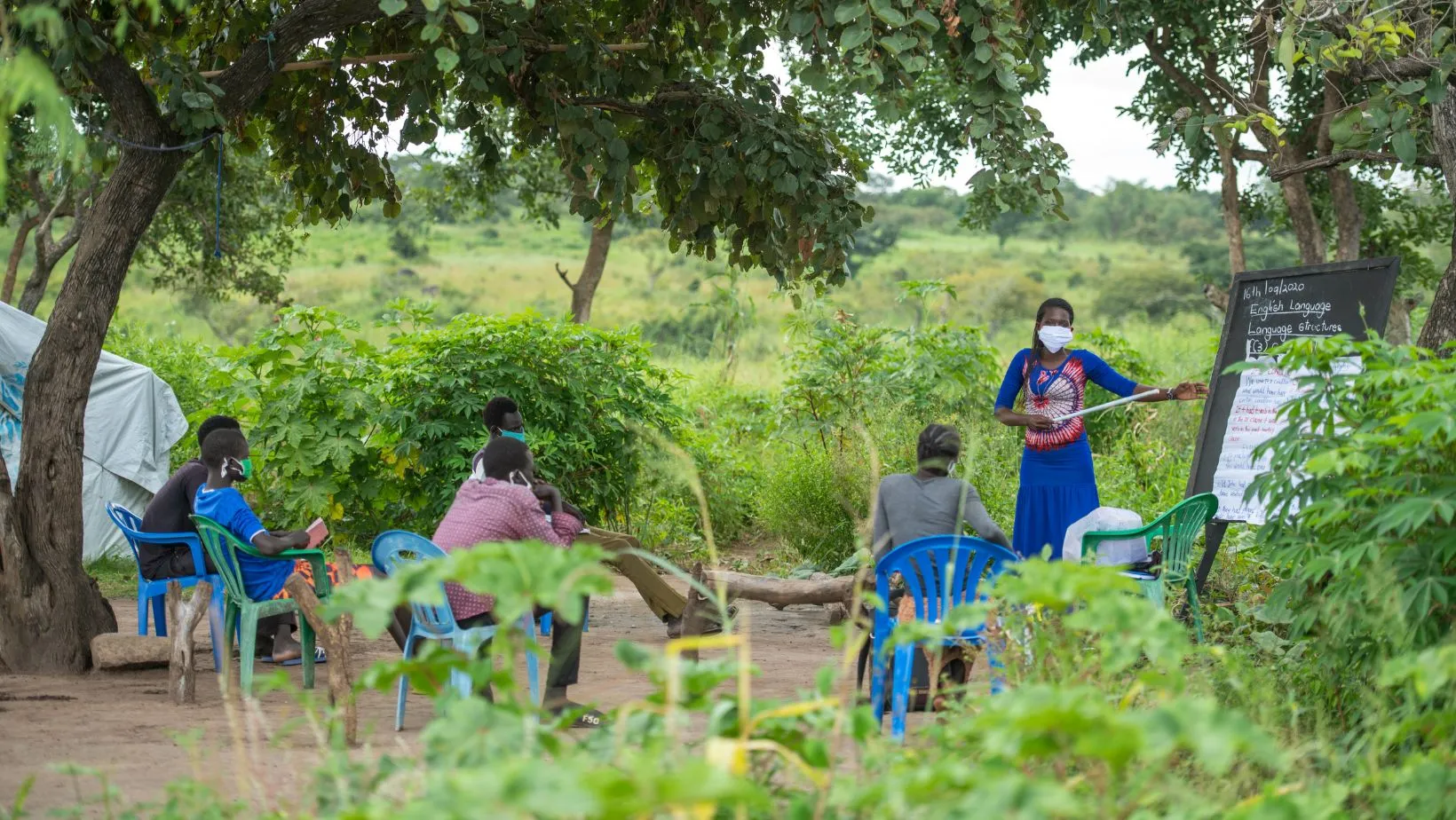
In a consortium led by Oxfam IBIS, the BRiCE project partnered with global, regional, and national organizations, including Oxfam in South Sudan, Uganda, Oxfam Novib, AVSI, FAWEU, UNATU, Luigi Giussani Institute for Higher Education, and the Community Development Initiative. This collaboration also involved the international teacher trade union, Education International, and Columbia University Teachers’ College, through CGC | Nairobi, as a research partner. BRiCE aimed to build the resilience of learners, teachers, and education systems by providing education through Accelerated Education (AE) provision to 31,150 youth across more than 22 South Sudan and Northern Uganda schools. The project supported out-of-school children and young people, especially girls and displaced learners, helping them pursue their educational dreams in these regions.
Placed in the nexus and designed with a strong focus on gender, teacher professional development, and advocacy, the project provided a voice for displaced learners’ right to education, strengthened systems for teachers’ professional development and AE, and improved access and quality of primary-level education.
Click here to read the project's results.