Mathare’s Women Speak out on Government Demolitions
Mathare's women leaders share how the government demolished their homes amid the community's mourning and recovery from flooding and heavy rains.
African countries continue to bear the harshest realities of climate change. The continent is increasingly experiencing unstable weather and faces frequent droughts, storms, and floods. While the focus on the adverse effects of climate change repercussions has been taking preventative measures to secure the continent's food security, these escalating hazards are now proving to be life-threatening. Kenya, for example, experienced extreme rainfall and flash flooding throughout April- May 2024, resulting in the tragic deaths of more than 228 people.
Among those severely affected were those living in one of Kenya's informal settlements, Mathare, who were left homeless and without livelihoods. Before the community could come to terms with mourning the loss of loved ones and some losing all their possessions, the Kenyan government initiated the demolition of homes in informal settlements. The government's decision sparked widespread outrage and raised critical questions about handling climate disasters and treating vulnerable communities. This move raised critical concerns about how Mathare residents are coping with these compounding challenges and, specifically, how the government can better protect vulnerable communities against escalating climate threats.
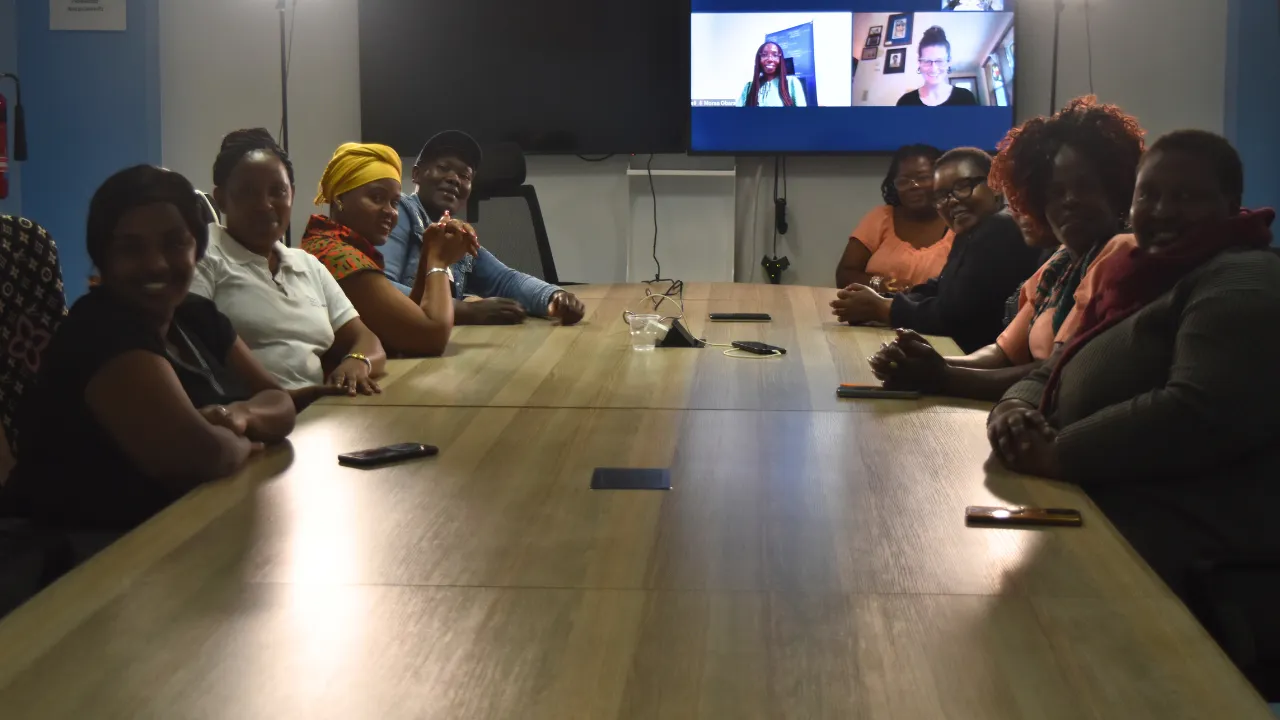
Professor Samantha Winter, from the Columbia School of Social Work, who has been supporting Mathare's women's community in climate change programs with an intersection on mental health through her National Institutes of Health (NIH) grant, worked with the Nairobi Center, three students, including Kianna Stamps and Gi Un from Columbia's School of Social Work, Hayley Farrell from Columbia | SIPA and a mental health and gender consultant, Lena Moraa to curate a webinar that highlighted the plight of this community. Many people have been left devastated and are struggling to make sense of what happened. But how did all of this begin?
Two-Hours to Vacate
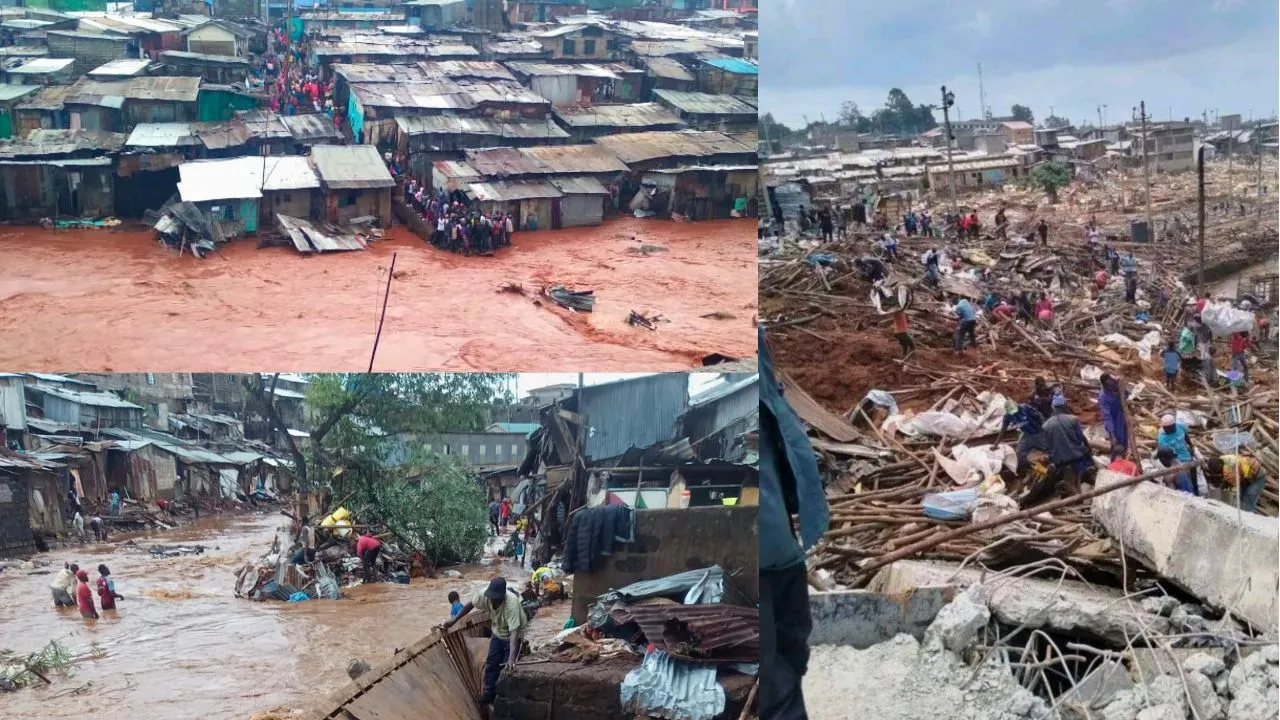
The Government of Kenya requires that one lives 30 meters away from riparian lands. The growth of informal settlements, driven by socio-economic challenges, has offered alternative low-cost housing options, with many residents living in these areas for over 25 years. However, the harsh realities of these living conditions were brought to the forefront during the recent heavy rains and flooding. Lilian, a Mathare resident, recounted government trucks landing in their community, giving people just but two hours to vacate and uproot their lives before demolishing their homes. This unplanned operation occurred while many were at work, leaving some unaware of the impending destruction. As a result, theft and crime surged, with many residents losing nearly everything they had and being left with little to salvage.
Left with No Place to Call Home
Mathare-born community health champion Nancy recounted experiencing El Nino sometime back, which did not result in such devastating detriments. Her family's home and rentals, headed by her physically challenged mother, were severely affected by the heavy rains, and the government eventually demolished the remains without them being issued a new place to call home. For Anne-Lilian, who has lived in Mathare for 20 years, April 25th particularly struck a nerve as that day, in her words, marked "the mother of all the floods." The day's heavy down-pour resulted in cries and confusion and sadly ignited criminal activities.
Anne-Lilian was an upcoming poultry farmer with more than 120 chickens and uncountable eggs. She lost them in the floods and had her simple, established structures demolished. In the confusion, groups of goons stole the little she could salvage. Julia, a single mother of five, has been significantly affected psychologically and emotionally. This incident has drawn her back to earning nothing and pending loans from an investment that once gave her KES 8,000.
The Aftermath: Remnants of Ruin
Julia anticipates that her community will soon begin experiencing serious health issues. The broken pipes in her community's water supply system have disrupted access to clean water, leading to contaminated water flowing into their homes. These escalating issues have also destroyed bathroom facilities, forcing residents to resort to the increased use of flying toilets. Additionally, critical infrastructure, such as private and government-owned schools, was demolished, leading to months of disrupted education for children. Young school-going children have resorted to selling leftover metal sheets to make a living.
To Earn Some, Pay Some
The government made arrangements to compensate those affected by the floods but hardly made efforts to reimburse demolition damages. Nancy revealed that the compensation process was not transparent and hardly benefitted those considered as victims. To receive the promised KES 10,000 compensation, individuals had to pay a bribe of KES 500 just to be included on the beneficiary list. Mueni observed some sense of favoritism in the demolition process. Despite some houses still being close to the river banks, they were not demolished.
Picking Up the Pieces
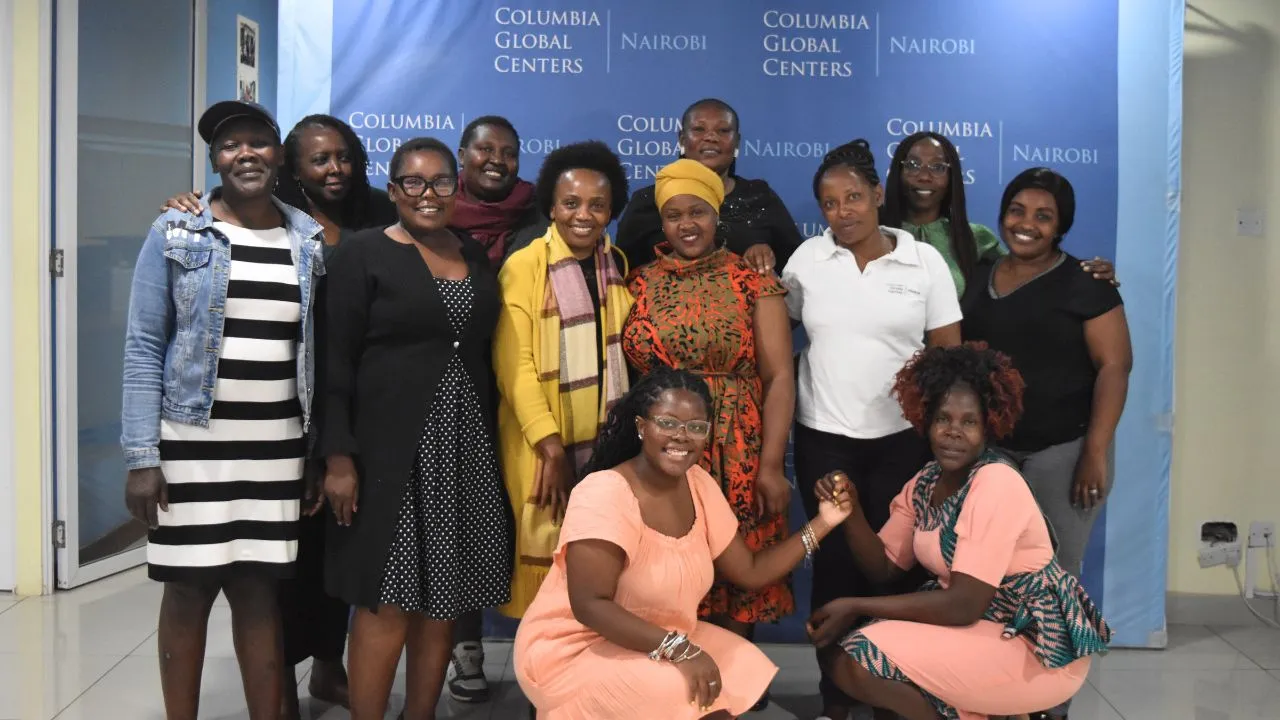
Mathare's community embodies the spirit of togetherness and resilience. In the face of flooding, Everline shares that, as a community, they quickly supported those affected by taking them to safer and higher ground in places such as churches and schools. They also provided support to those affected by the disaster by cooking and cleaning salvaged items from the floods and offering shelter to those in need.
Amid the chaos caused by the floods, young children were the most vulnerable and affected. Anne-Lilian and other community members made it their priority to protect the children who were separated from their mothers and at risk of being swept away by the floods. Furthermore, she collaborated with other community members to assist people with disabilities and pregnant women.
Milkah, a community leader, worked towards mobilizing resources from individuals and organizations to begin picking up the pieces. However, additional assistance is required because compounding challenges still affect many people. However, further assistance is crucial as these compounded challenges continue to impact countless lives, leaving many residents in vulnerable situation