Young Leaders Drive Turkish-Greek Cooperation in Istanbul
Participants were looking to get through nationalistic narratives to better understand their shared neighborhood through each other’s perspective.
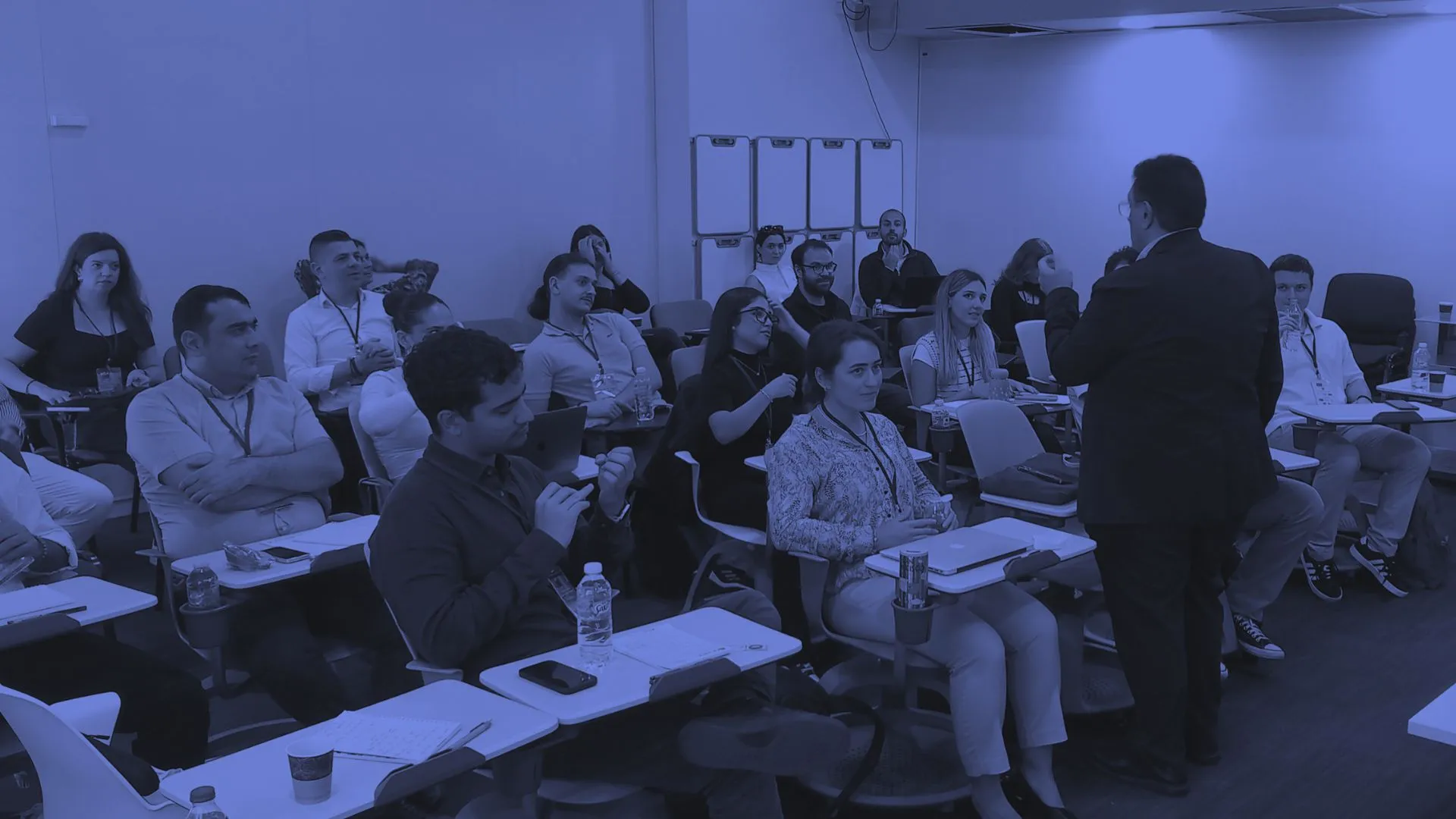
In an era of heightened global tensions, where international law and crises dominate conversations, the recent Greek-Turkish Young Leaders Symposium provided a forum for dialogue, collaboration, and networking. Despite the two countries’ intertwined and complex histories, participants from both nations were looking to get through nationalistic narratives to better understand their shared neighborhood through each other’s perspective.
The historical context is sobering. Both Turkey and Greece were founded through the defeat of the other. For decades, this historical animosity has been perpetuated by nationalistic rhetoric, scapegoating the other as the enemy. Since the turn of the century, leaders and civil society organizations have altered this narrative into one of rapprochement and mutual benefits. So a powerful message emerged in the Symposium: to break this cycle, both countries must cleanse this rhetoric to avoid reinforcing hostility. The need to move beyond historical grievances and focus on current efforts to enhance dialogue, such as the Symposium itself, was emphasized, along with the importance of jointly addressing shared challenges like irregular migration, the climate crisis, and energy politics. This, the participants agreed, would serve as a foundation for new, cooperative narratives.
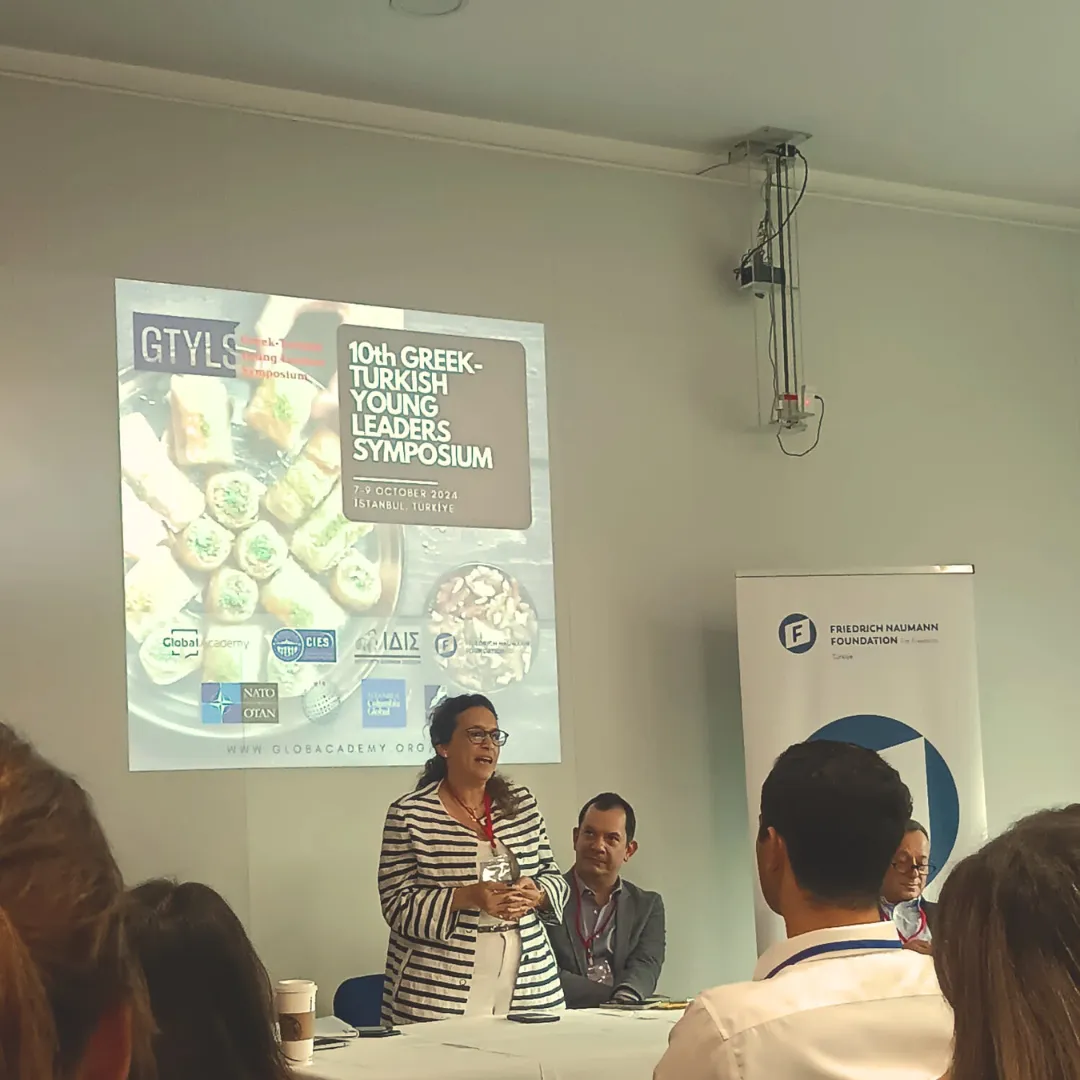
The Symposium, now in its 10th year, also touched upon the difficult nature of diplomacy between the two countries. Despite some longstanding differences, however, there was room for optimism as there is a continuing effort to enhance dialogue and cooperation. High-level talks have resumed, aided by cooperation in trade, tourism, and migration management. Both countries, it seems, have an interest in maintaining positive momentum.
In the same vein, a panel of journalists from both nations’ outlets highlighted how Turkish and Greek media have been complicit in shaping threat perceptions and escalating tensions. The media can, however, play a more constructive role, too. Speakers called on their fellow journalists to resist the pressure to instrumentalize foreign policy for domestic purposes and instead promote truth-seeking to foster a more nuanced understanding of bilateral relations. The media can sometimes criticize even positive steps in diplomacy. Voices within the press advocating for a more responsible approach should be amplified, the participants suggested.
The 10th Greek-Turkish Young Leaders Symposium ultimately underscored that while there are still significant hurdles to overcome —ranging from the influence of far-right political parties to ongoing disputes in the Mediterranean— there is also potential for a renewed relationship between Türkiye and Greece.
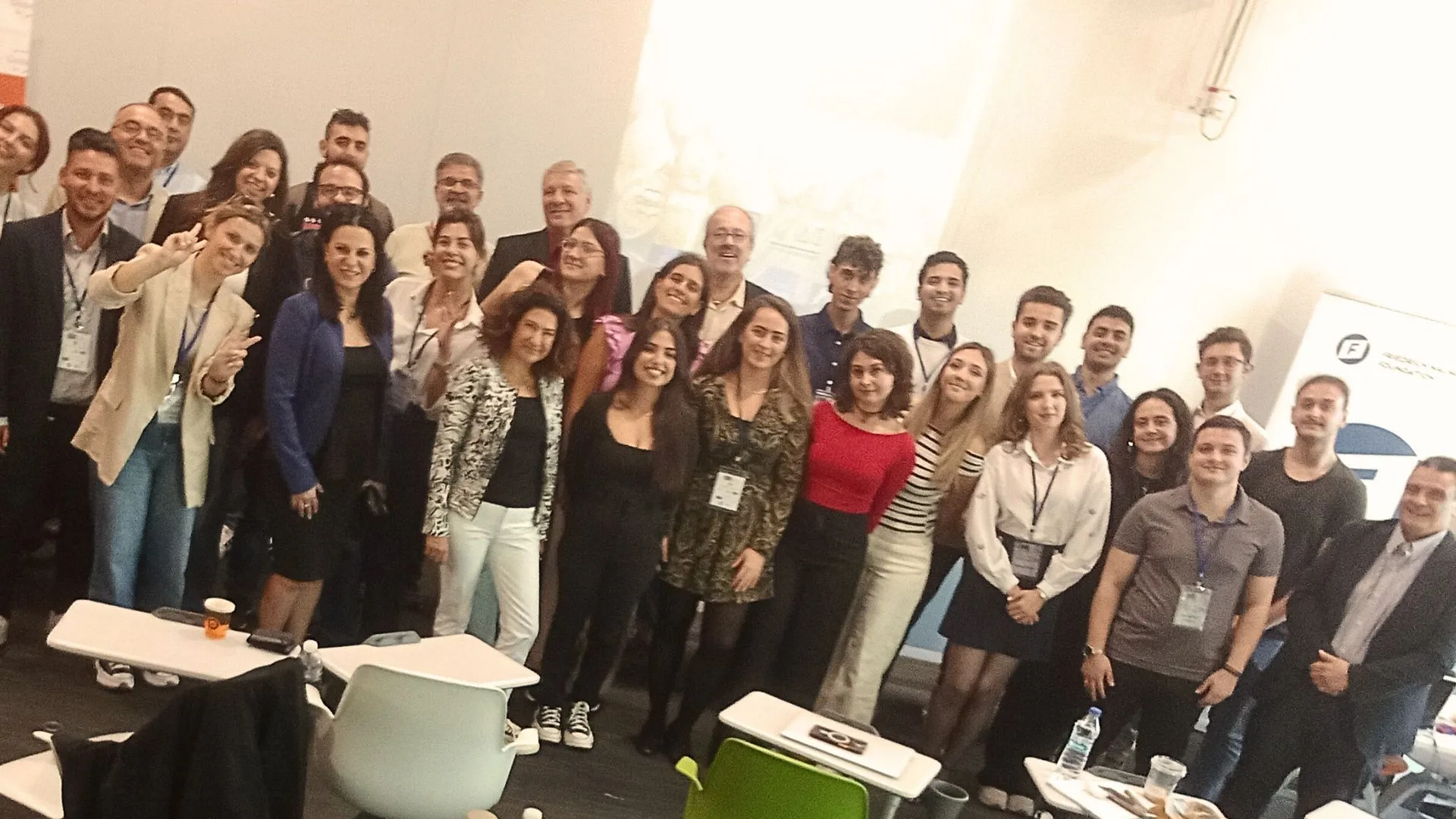
Based on the narrative presented during the Symposium, the challenge seems to lie in building new stories, rooted in the present, that can reshape the future of bilateral relations. The next chapter of Turkish-Greek relations remains unwritten, but the will among young leaders to write it together is a hopeful sign amidst turbulent times on a global scale.
About the Greek Turkish Young Leaders Symposium:
Led by Mustafa Aydın, Professor, Kadir Has University; Coordinator, Global Academy, and Dimitrios Triantaphyllou, Director of Programs, Institute of International Relations; Professor, Panteion University, Greek-Turkish Young Leaders Symposium was organized for the 10th time this year. Global Academy, the Center for European and International Studies (CIES), and the Institute of International Relations at the Panteion University of Athens (IDIS) hosted the 10th Symposium in partnership with Columbia Global Center Istanbul, the Friedrich Naumann Foundation for Freedom-Turkey, NATO’s Public Diplomacy Division, International Relations Council | Türkiye, and EdoTourkia, on October 7-9, 2024, in Istanbul, Türkiye. The Symposium brought together Turkish and Greek experts, along with young leaders, to discuss the state of Greek-Turkish relations in the context of broader regional security issues and NATO dynamics.
See detailed information about this year’s Symposium here.