Image Carousel with 4 slides
A carousel is a rotating set of images. Use the previous and next buttons to change the displayed slide
-
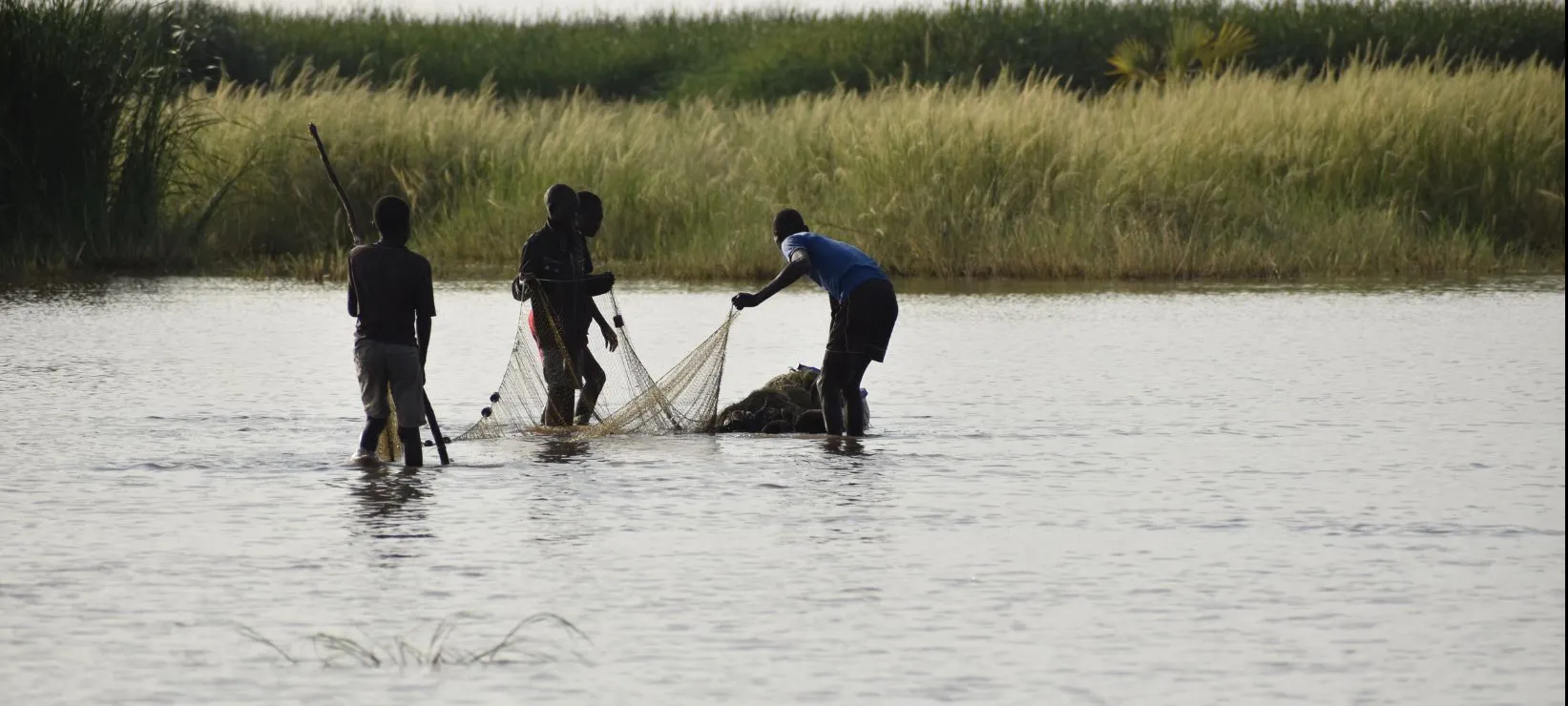
Slide 1: CLIMATE DOCUMENTARY
-
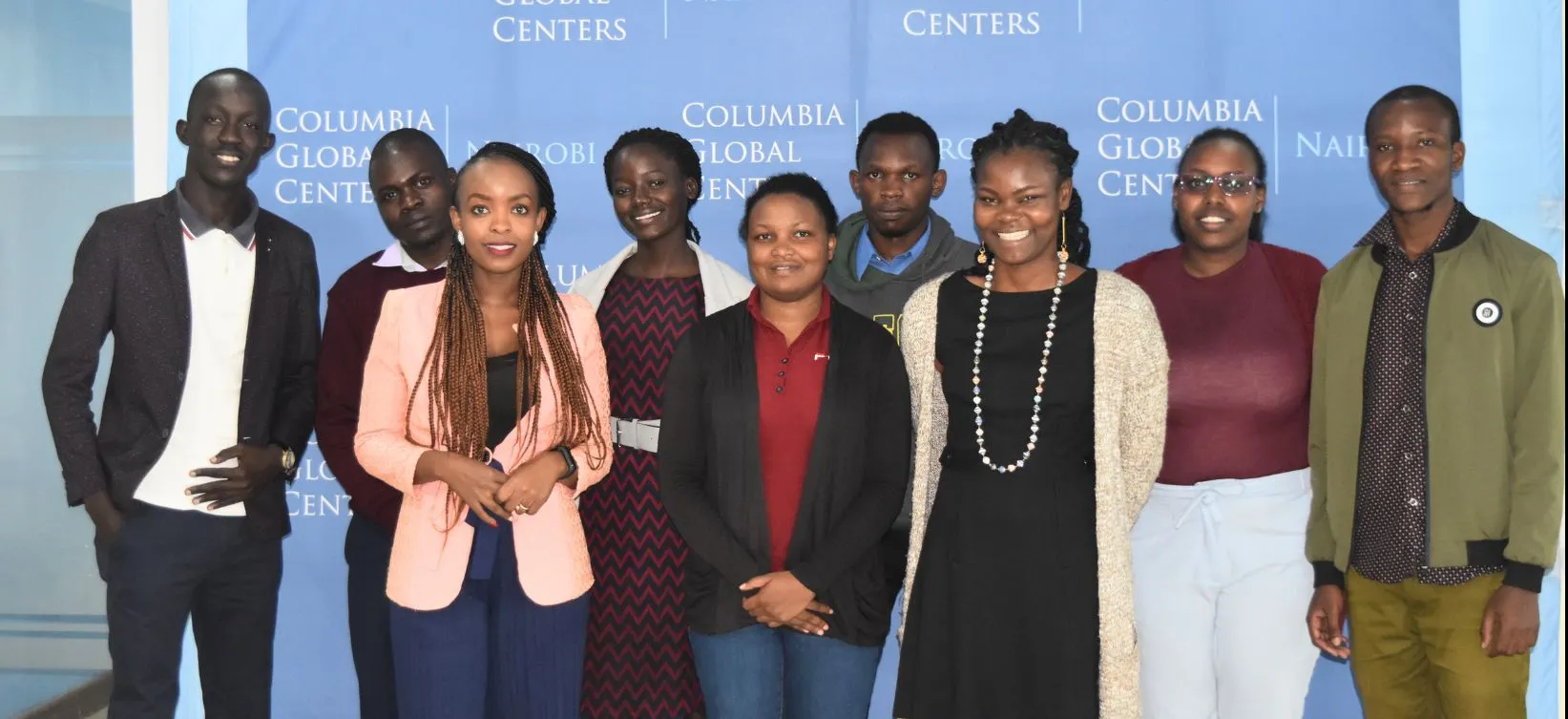
Slide 2: YOUTH CAC
-
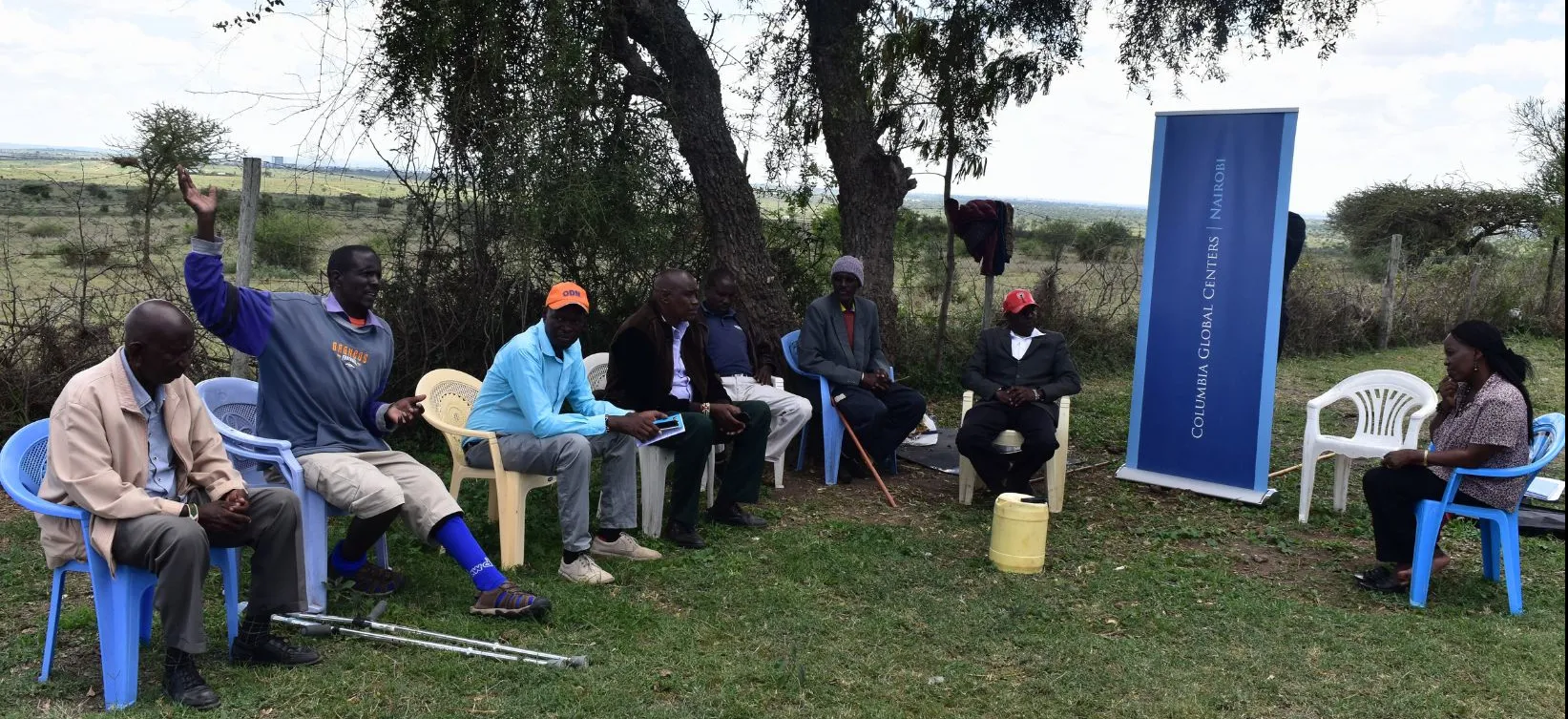
Slide 3: CAC PASTORLISTS
-
Slide 4: CAC FARMERS
We endeavor to be at the heart of global conversations and research on climate and to provide sustainable solutions for Africa's climate challenges
Science and research results, which have often been overlooked, are becoming essential for addressing climate change. The severe impacts of climate change, including floods, extended droughts, and the rising incidence of wildfires, can no longer be overlooked. It is important to acknowledge that while developing countries contribute minimally to the drivers of climate change, they face some of the most significant challenges as a result. Therefore, it is essential to support these nations with timely, sustainable, and cost-effective mitigation strategies to help them navigate these pressing issues. For this reason, we endeavor to be at the heart of global conversations and research on climate and to provide sustainable solutions for Africa's climate challenges
Our Programs
Climate Action
After more than 25 years, Columbia announced that it would be establishing its first new school, the Columbia Climate School, in July 2020. Columbia Climate faculty and staff have been consulting and engaging experts, change agents, community groups, policymakers, and concerned citizens worldwide on what the school can and should be.
In a program led by Columbia World Projects, that involved more than 10 countries where Columbia already has a presence based on the Global Centers and ICAP offices, Columbia Climate was supported by these two institutions to investigate and understand the climate risks and concerns of people in Africa, Asia, South - America, and North - America. The exercise also examined practical ways to address climate challenges.
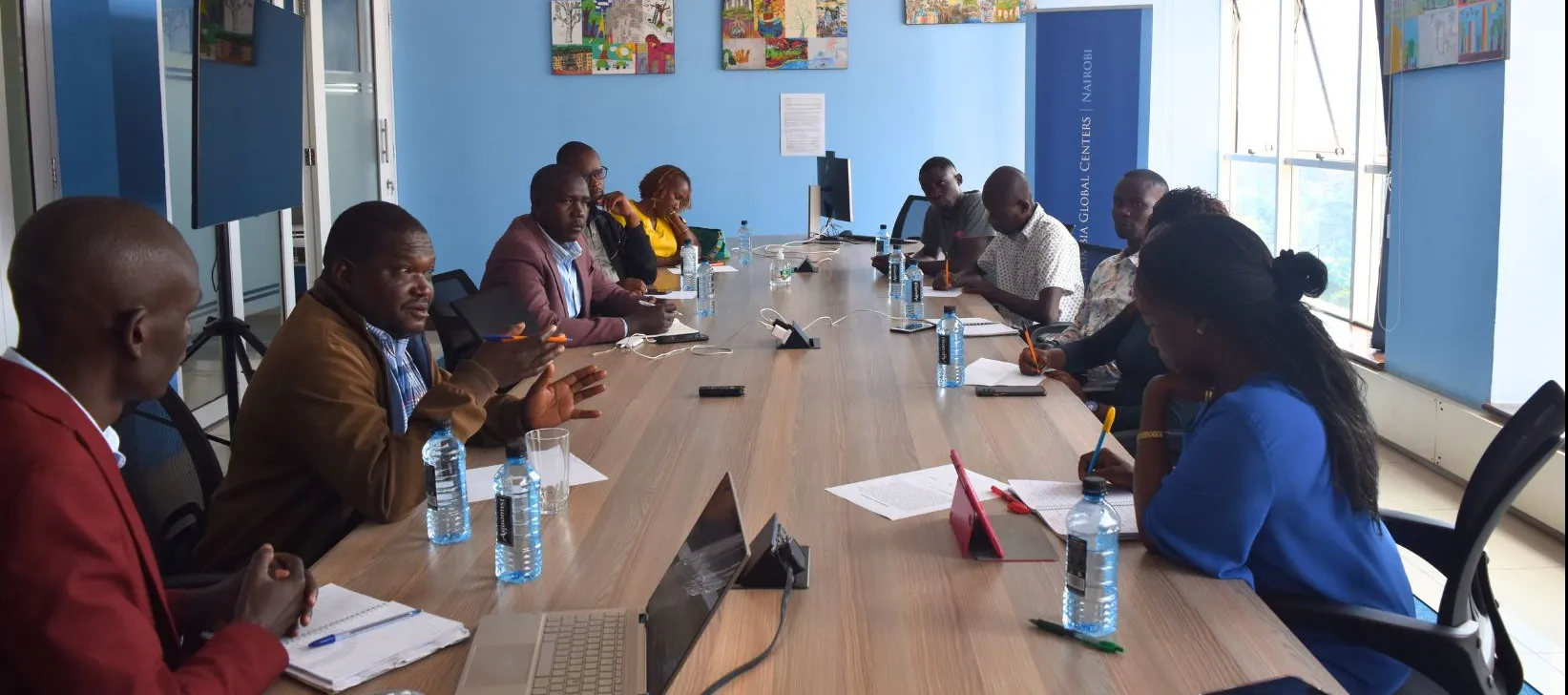
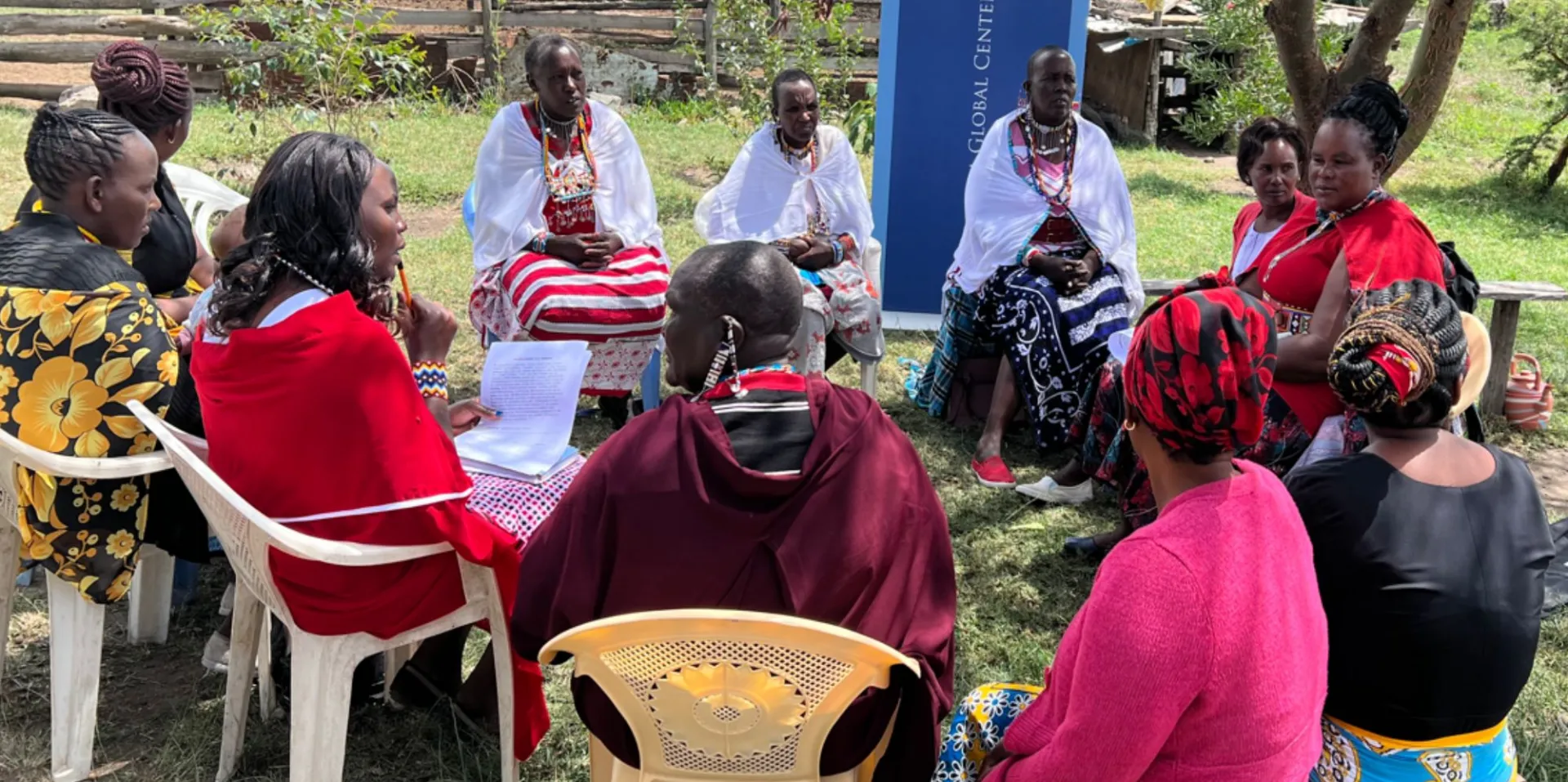
The Nairobi Center facilitated this process by conducting consultative workshops with the most vulnerable and often obliterated voices in these spaces - the youth, farmers, pastoralists, and people living in informal settlements in Kenya and also issued surveys to concerned parties. The results revealed that besides flooding, droughts, famines, food shortages, and water contamination, Kenyans are also concerned about other transactional effects such as mental health degeneration, increased sexual activities among the youth, and increased prevalence of sexual and gender-based violence (SGBV) cases. These results will form the basis for further research and projects, including training programs. A comprehensive report on the findings is yet to be shared once the data is consolidated.
Past
In partnership with the Kenya Alliance of Resident Associations and the Center for Sustainable Development at the Earth Institute, we held a session as part of a two-part series examining Kenya’s urban transportation infrastructure in the context of climate change. The session explored the current state of Non-Motorized Transport (NMT) infrastructure in Kenya, asking critical questions about recent changes, progress, and necessary future actions. It also highlighted Kisumu’s Sustainable Mobility plan and Mombasa’s efforts to enhance NMT infrastructure, assessing the progress made in Kenyan cities and identifying the next steps and methods for measuring progress. Additionally, the session included the launch of the Popular Version of Nairobi County’s NMT Policy.
Air pollution causes millions of premature deaths and numerous illnesses in the world’s cities each year, with sub-Saharan Africa being particularly affected due to sparse air pollution monitoring. This leads to high uncertainty in exposure and impact estimates, and five hundred million African children live in areas with no reliable air quality monitoring. We explored emerging efforts to address the significant air pollution data gap using surface monitoring, remote sensing, and air quality modeling, focusing on Nairobi. Speakers also discussed solutions and pathways for reducing the health burden from air pollution in Africa.
The African continent is the most affected by climate change, yet many conversations around the issue are led by those outside the continent. In this discussion, we examined how climate change is communicated within Africa, exploring the nuances of regional narratives, the role of local stakeholders, and the ways these conversations drive meaningful action and attract investment for climate adaptation and mitigation efforts.