Foreign Policy and Diplomacy Lecture Series: Insights from Distinguished Diplomats
The series brought together distinguished diplomats who shared their expertise and reflections on the shifting geopolitical landscape.
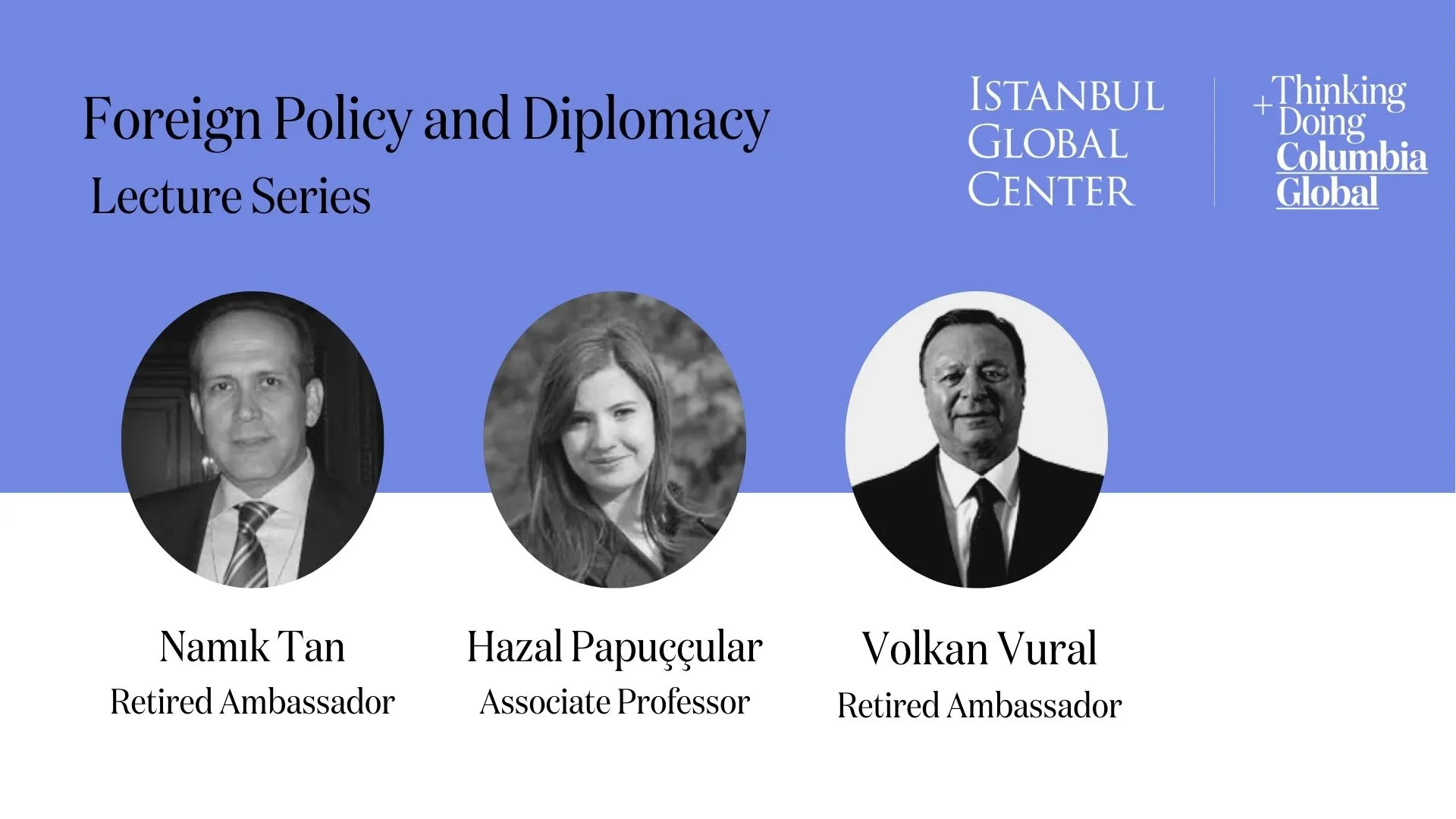
Starting in Spring 2024, Columbia Global Center Istanbul initiated an enlightening "Foreign Policy and Diplomacy Lecture Series" to foster discussions and deepen understanding of international relations and diplomacy. The series brought together distinguished diplomats who shared their expertise and reflections on the shifting geopolitical landscape. The lectures were orchestrated by Soli Özel, a faculty member at Kadir Has University, and Merve İspahani, Academic Programs Manager at Columbia’s Global Center in Istanbul. This initiative was open to all, particularly those interested in Türkiye’s foreign policy amidst evolving regional and global dynamics.
Opening Lecture: Ret. Ambassador Volkan Vural
The series began with Retired Ambassador Volkan Vural, whose career in Turkish diplomacy spans several key postings, including ambassadorial roles in Iran, the Soviet Union, Russia, Germany, and as Türkiye’s Permanent Representative to the United Nations from 1998 to 2000. Vural’s lecture provided rich insights drawn from his extensive experience.
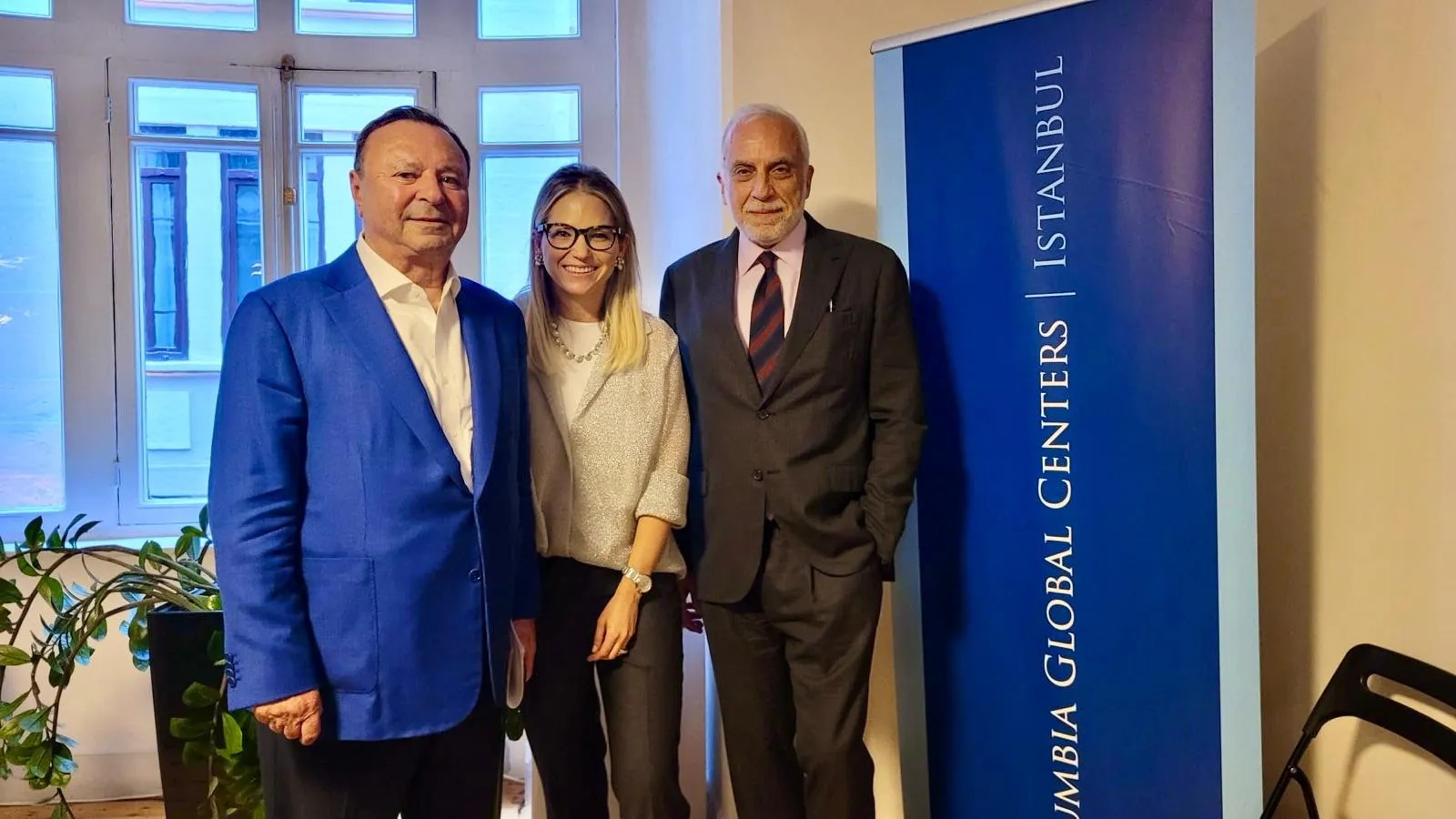
Vural's talk, centered on Türkiye's unique geopolitical position and its foreign policy priorities, set the stage for a broader discussion on the practical aspects of diplomacy. "Diplomacy is both an art and a science," Vural remarked, emphasizing the necessity of experiential learning in the diplomatic field. He elaborated on the "master-apprentice relationship" within the Turkish Foreign Ministry, where new diplomats learn by observing seasoned colleagues, both at home and abroad. "Adding one's own knowledge to these observations enhances the learning process," he said.
Vural also addressed the importance of discarding prejudices and understanding the needs of other nations. He stressed that effective diplomacy requires the ability to listen and seek common ground, warning against the ineffectiveness of a "my way or the highway" mentality. Reflecting on the current socio-political climate in Türkiye, he noted, "Polarization divides people into black and white, hindering healthy discourse."
Second Lecture: Ret. Ambassador Namık Tan
The series continued with retired ambassador Namık Tan, who discussed the potential for cooperation between Türkiye and the U.S. in a shifting global landscape in his lecture titled "Can Türkiye and the US Work Together as a New World Order Emerges?" Tan's insights into Turkish foreign policy and its broader implications captivated the audience.
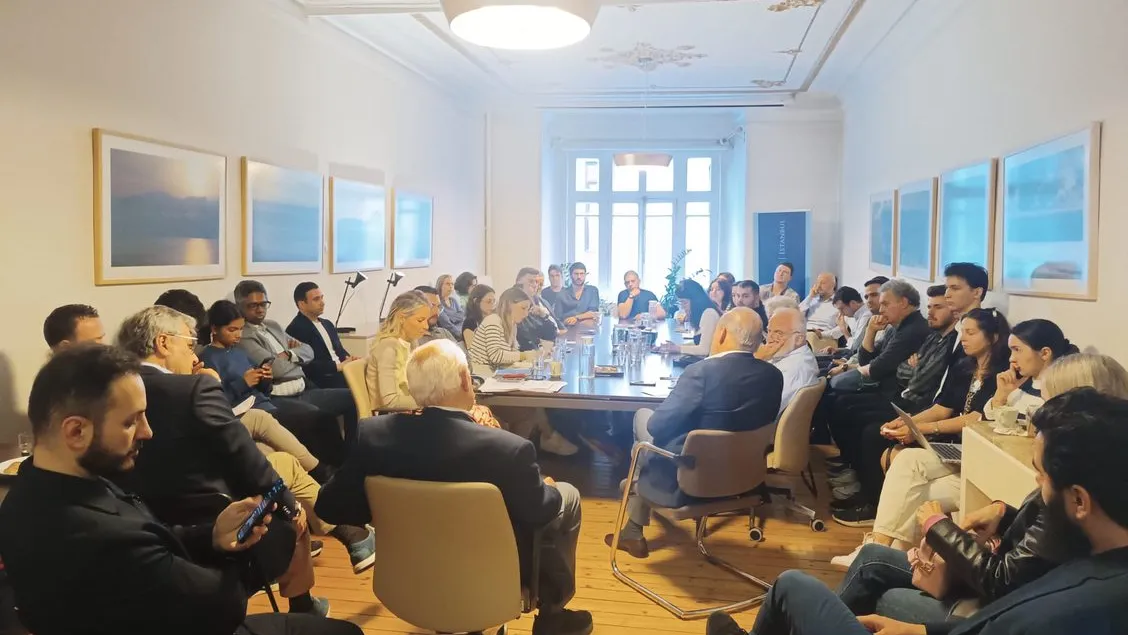
Tan explored the historical foundations of Türkiye's foreign policy, specifically focusing on Mustafa Kemal Atatürk's Westernization policy and its enduring impact. Highlighting the principles of this policy, Tan said, "These principles formed the basis of Western civilization and allowed Atatürk to capture the spirit of the times." He illustrated how Türkiye's early adoption of secularism and democracy facilitated its rise as a significant global economy.
Tan also spoke about the professionalism within the Turkish Foreign Ministry, emphasizing that diplomats serve the country irrespective of the ruling political party. "We provided the most professional assessments and presented various alternatives we believe are most beneficial to our country to whoever is in office," he explained. This professional dedication ensures that the foreign ministry operates effectively under any government.
Final Lecture: Associate Professor Hazal Papuççular
The final lecture in the series was delivered by Associate Professor Hazal Papuççular, titled "Truth and Untruth in Turkish Foreign Policy." Papuççular explored how ideological perceptions, domestic politics, and shifting geopolitical dynamics influence Türkiye's international relations.
Papuççular transitioned into her topic by examining the interplay between historical narratives and contemporary foreign policy. She delved into the impact of these narratives on national identity and foreign policy, stressing the importance of trust and credibility in international relations. Reflecting on the enduring debate over the Aegean islands, she noted, "The discussion of the islands occurs on two levels," linking periods of heightened tensions with Greece to domestic political discourse that focuses on early Republican history.
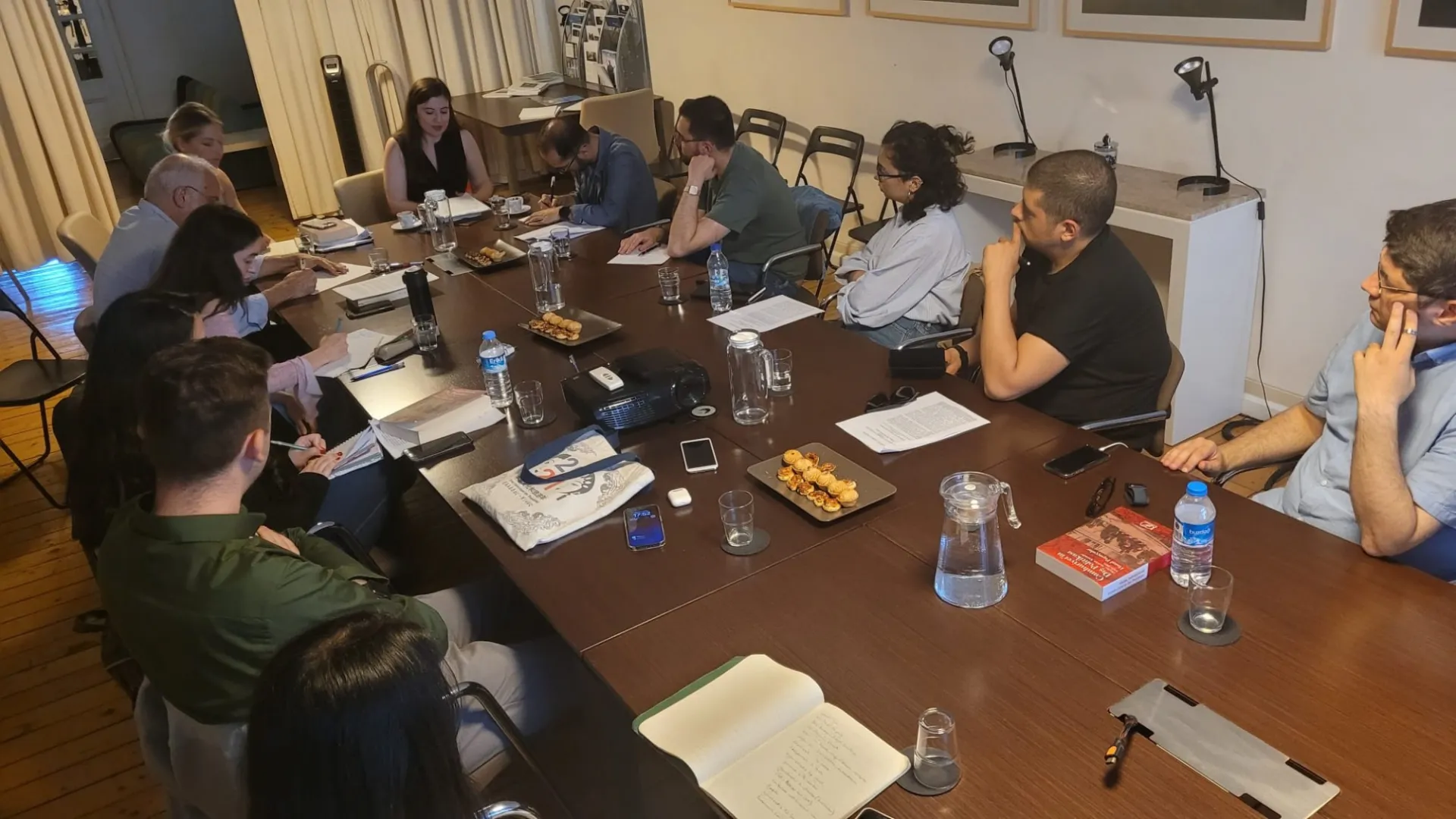
She further commented on Türkiye's steadfast stance regarding territorial integrity, citing the 1945 declaration: "We have neither land to give nor land to take." This principle, she argued, has shaped Türkiye’s foreign policy decisions, including contemporary issues in the Eastern Mediterranean.
Conclusion
The Foreign Policy and Diplomacy Lecture Series at Columbia Global Center Istanbul is a valuable platform for deepening understanding of international relations and diplomacy. Through the wisdom and experiences shared by Retired Ambassadors Volkan Vural and Namık Tan, and Associate Professor Hazal Papuççular, attendees gained insights into Türkiye’s foreign policy and its interaction with global dynamics. The series underscored the significance of professional dedication, historical understanding, and the ability to engage in meaningful dialogue in shaping effective foreign policy.