Embracing Complexities: A Kraft Fellow's Reflection on Kenya
As a student of African Studies and Kiswahili, being in Nairobi stirred something far deeper than I imagined.
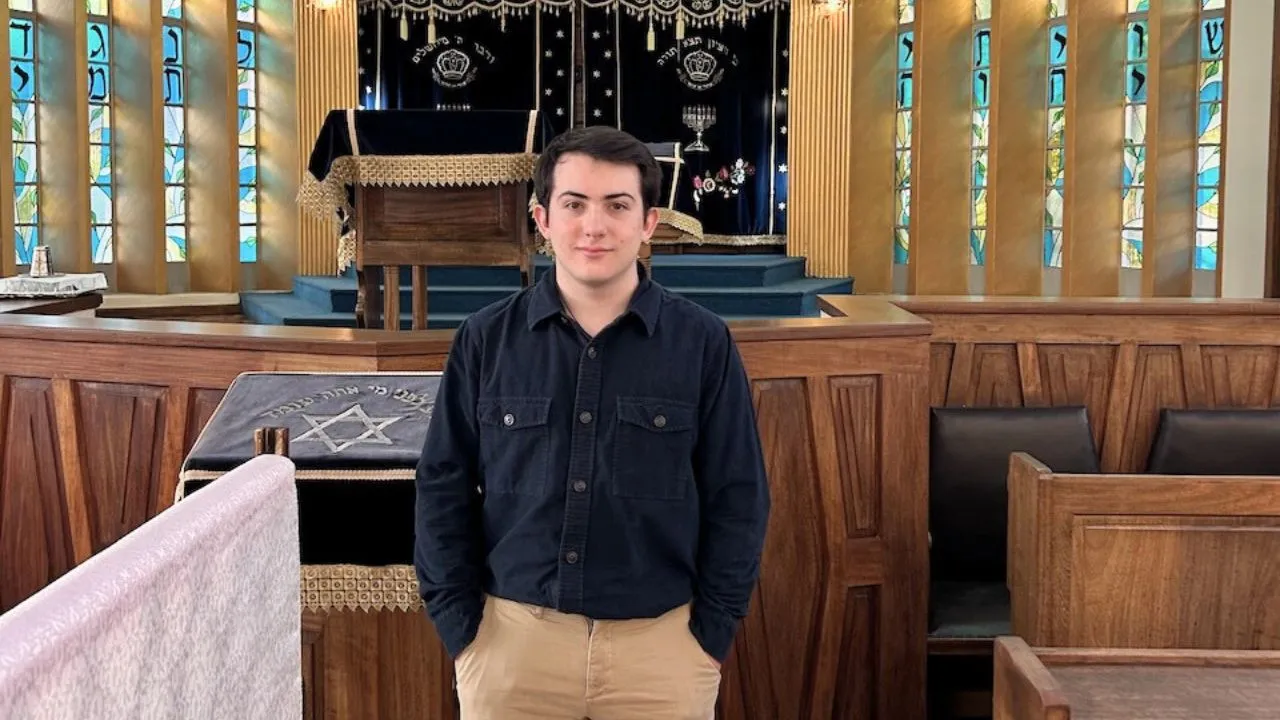
The Kraft Family Fund for Intercultural and Interfaith Awareness, managed by the Office of the University Chaplain, provides funding for Columbia students to travel to one of the 11 Global Centers. Students work on a group research project that explores the religions, cultures, and communities of the chosen destination country.
Jose Pablo Castelazo Polanco, CC'26, recently shared an insightful personal reflection of his visit to Nairobi, Kenya.
Here is what he had to say:
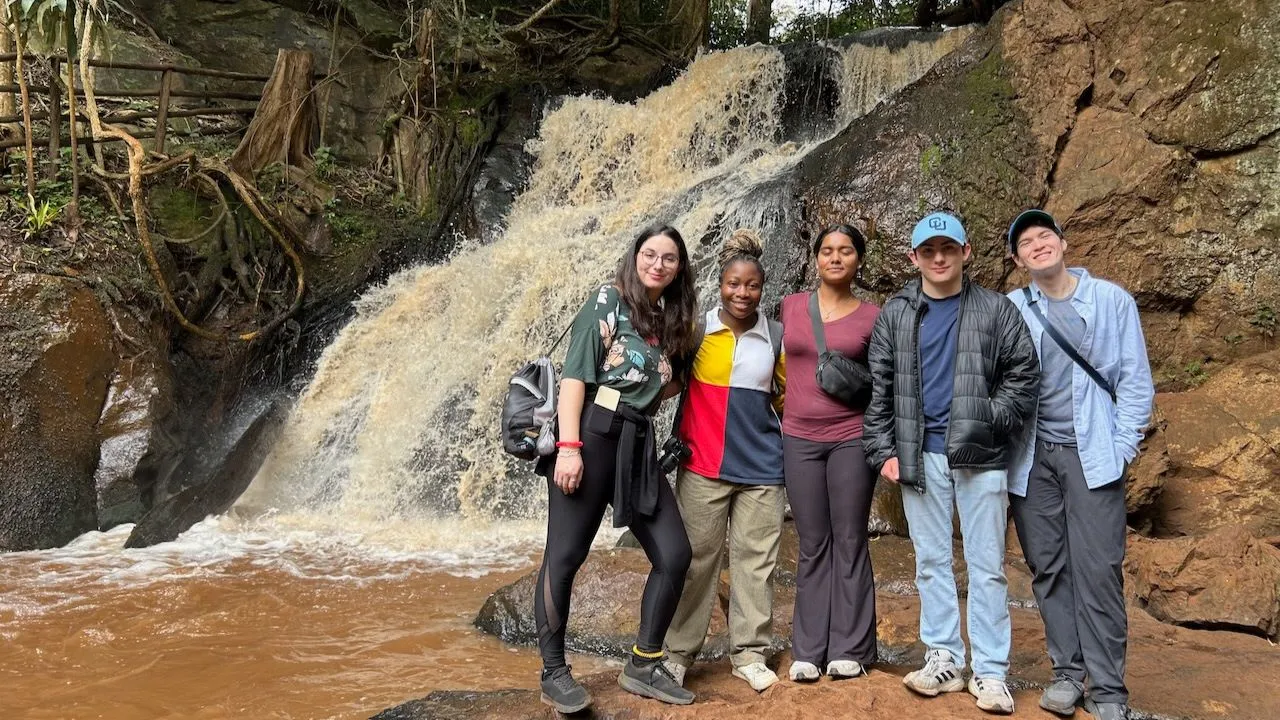
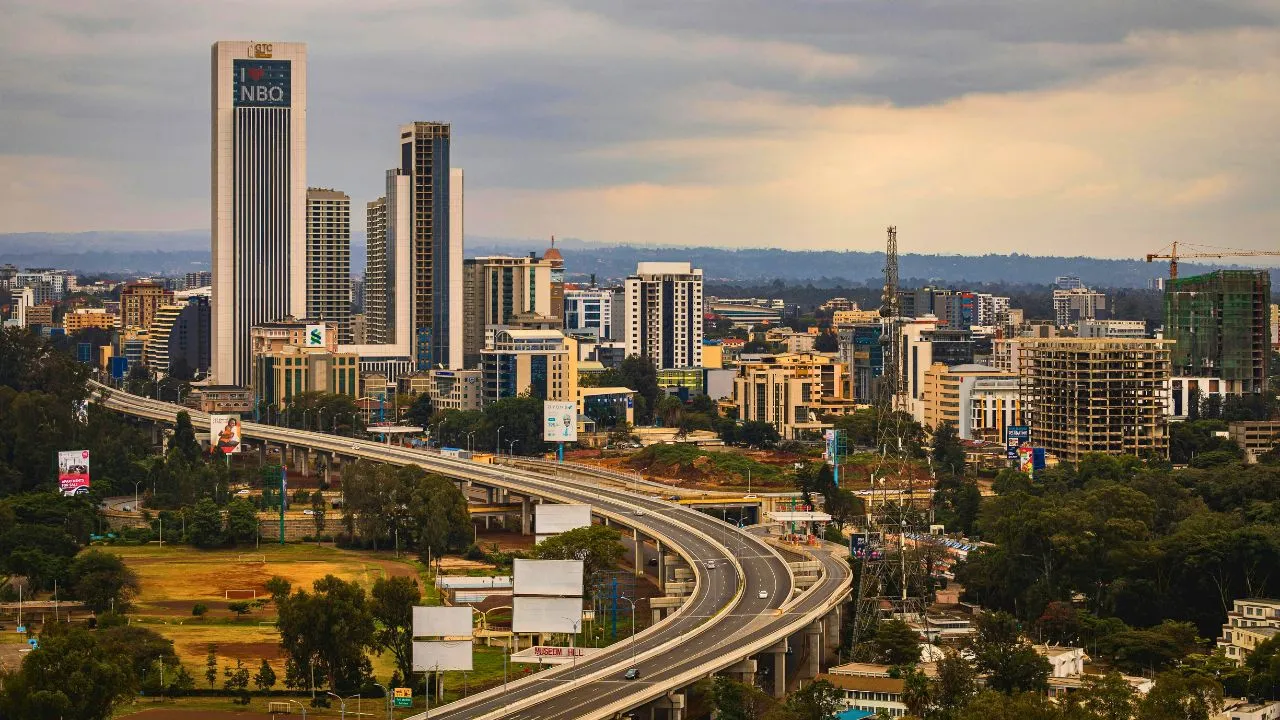
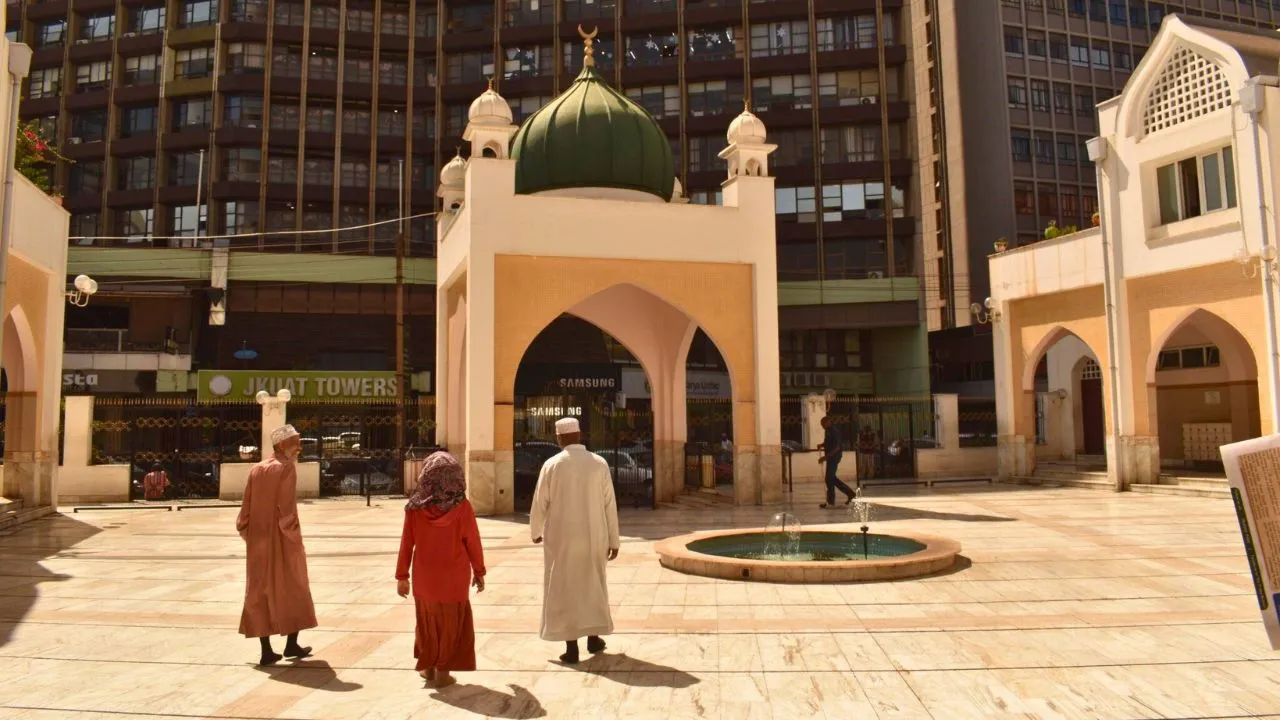
When I arrived in Kenya as a Senior Kraft Global Fellow, I thought I knew what awaited me. As an African Studies major and dedicated Kiswahili learner, I had carefully imagined Nairobi; its vibrant streets, the musical rhythm of its language, and the intricate blend of cultures shaping daily life. Yet, no preparation could have fully captured the revelation that unfolded. Beneath the glittering skyscrapers of Westlands, the thunderous matatus streaking defiantly through traffic, and the quiet dignity of acacia trees reaching toward endless skies, I found a nation whose strength lies not in simplicity, but in diversity and contrast. Standing shoulder-to-shoulder with thousands of worshippers during Jamia Mosque’s Ijumaa prayers, being warmly welcomed by Nairobi’s small yet resilient Jewish congregation, and reconnecting deeply with my Catholic upbringing through joyous Kiswahili songs at St. Paul’s Parish were each profound moments. Together, they deepened my understanding of unity, humility, and interfaith dialogue, the very pillars of the Kraft Global Fellows Program that brought me here. Kenya, however, also confronted me with profound complexities: the stark economic disparities between neighborhoods like Karen and Kibera, an uneasy encounter at a Sikh temple that tested my assumptions about religious openness, and the inspiring resilience of local entrepreneurs in places like Ruiru and through organizations such as Ocean Sole and Somo Africa. These challenging yet illuminating contrasts taught me Kenya’s greatest lesson: true understanding comes not from observing harmony alone, but from embracing discomfort, complexity, and our shared human interconnectedness.
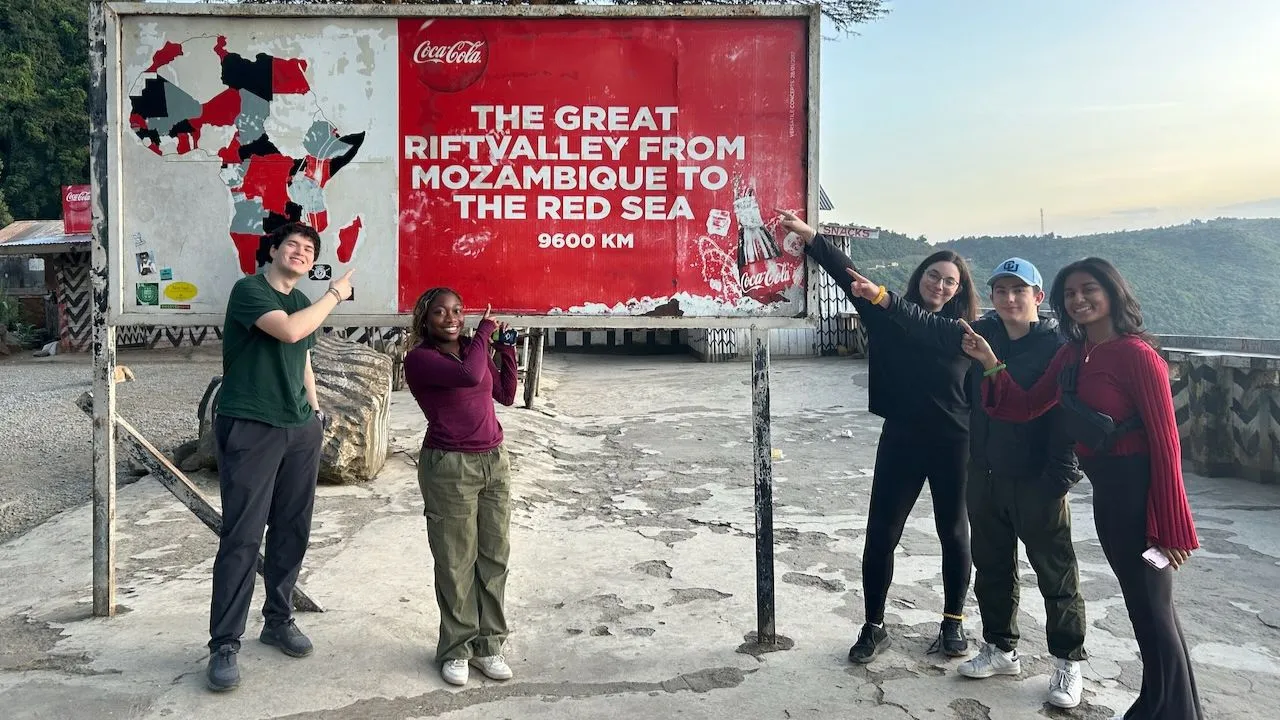
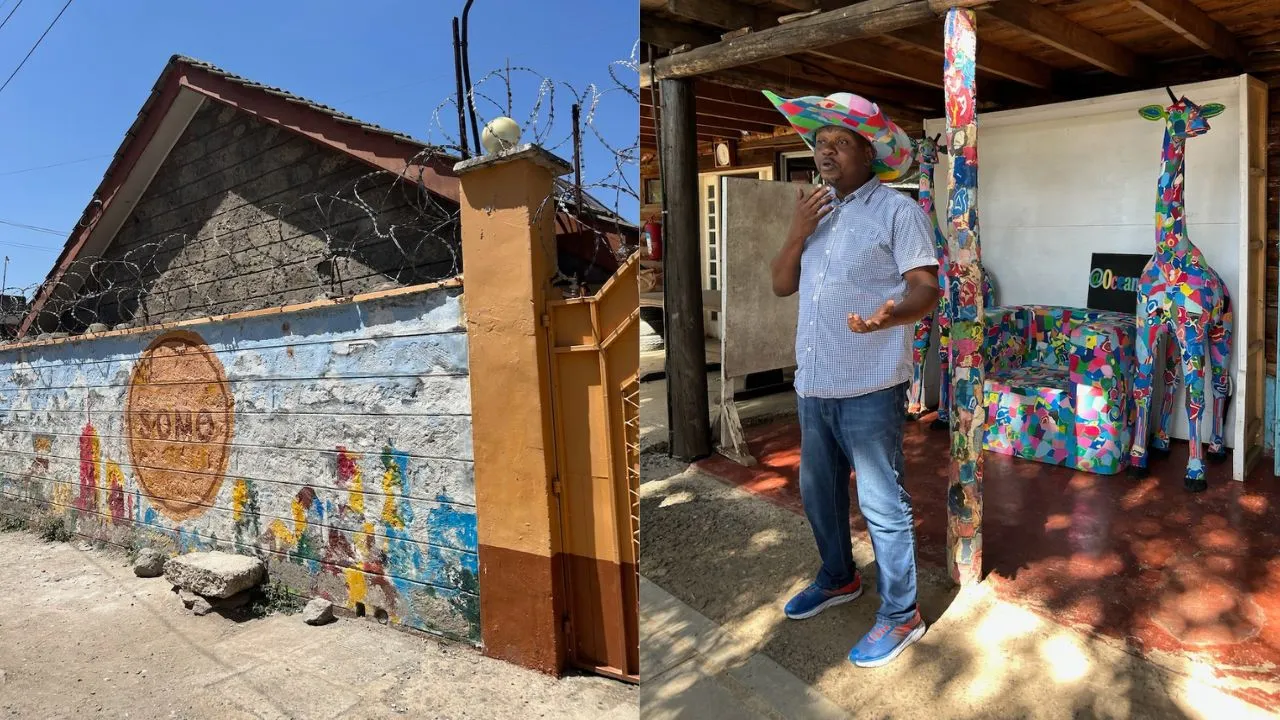
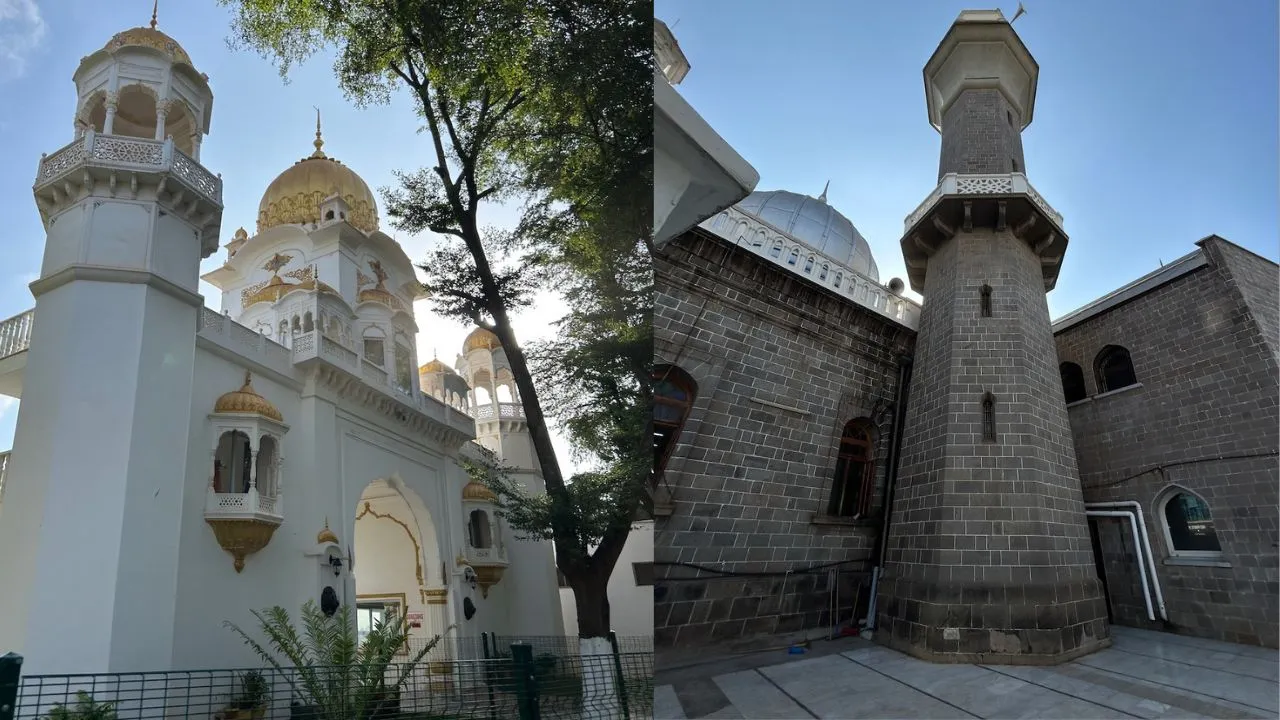
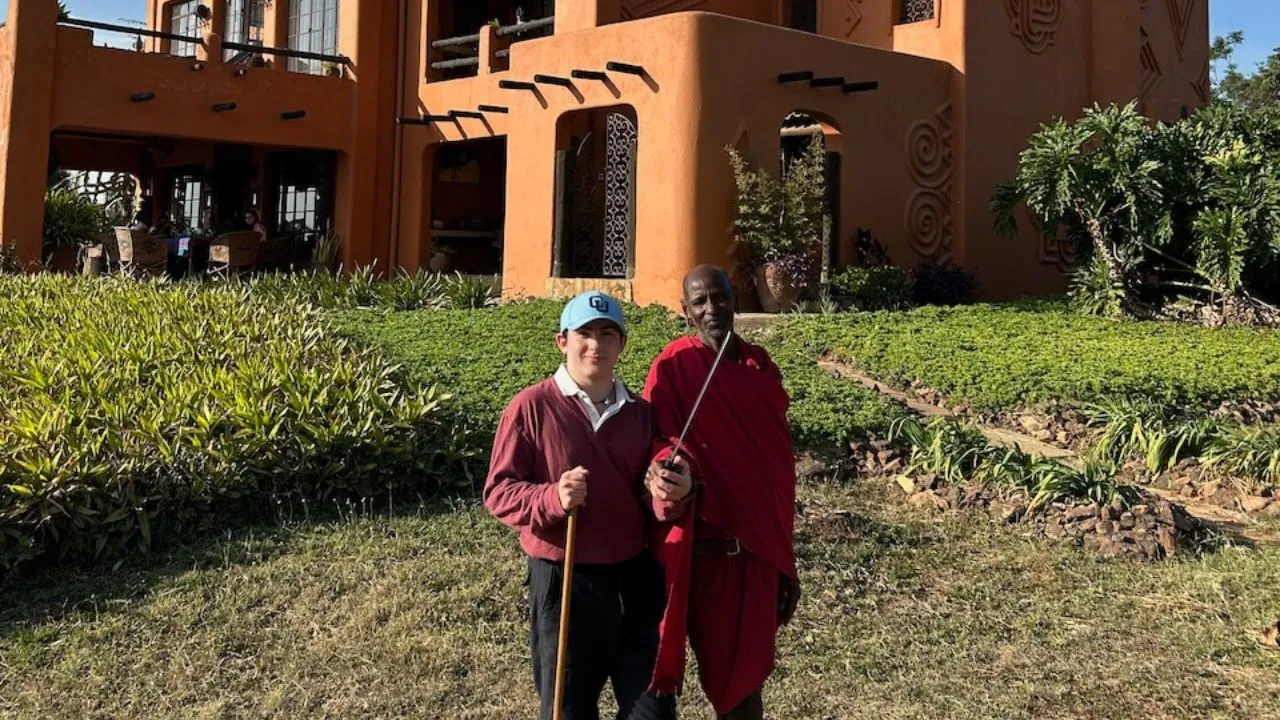
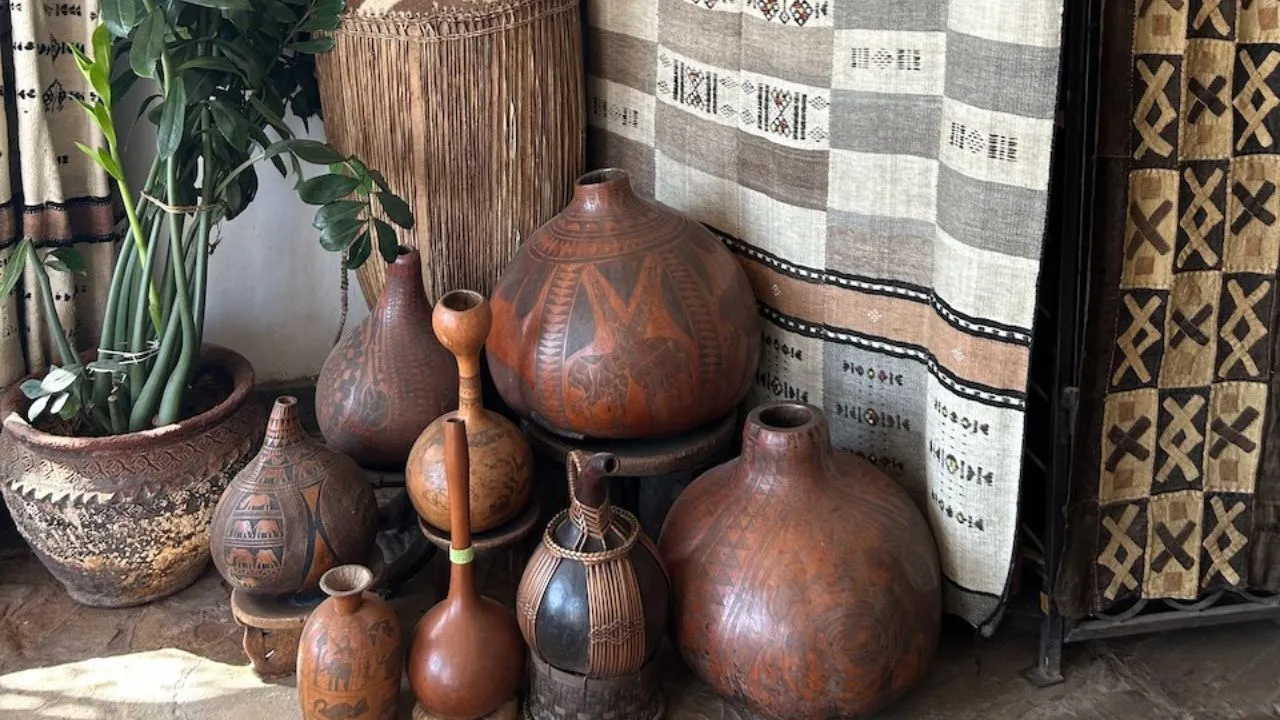
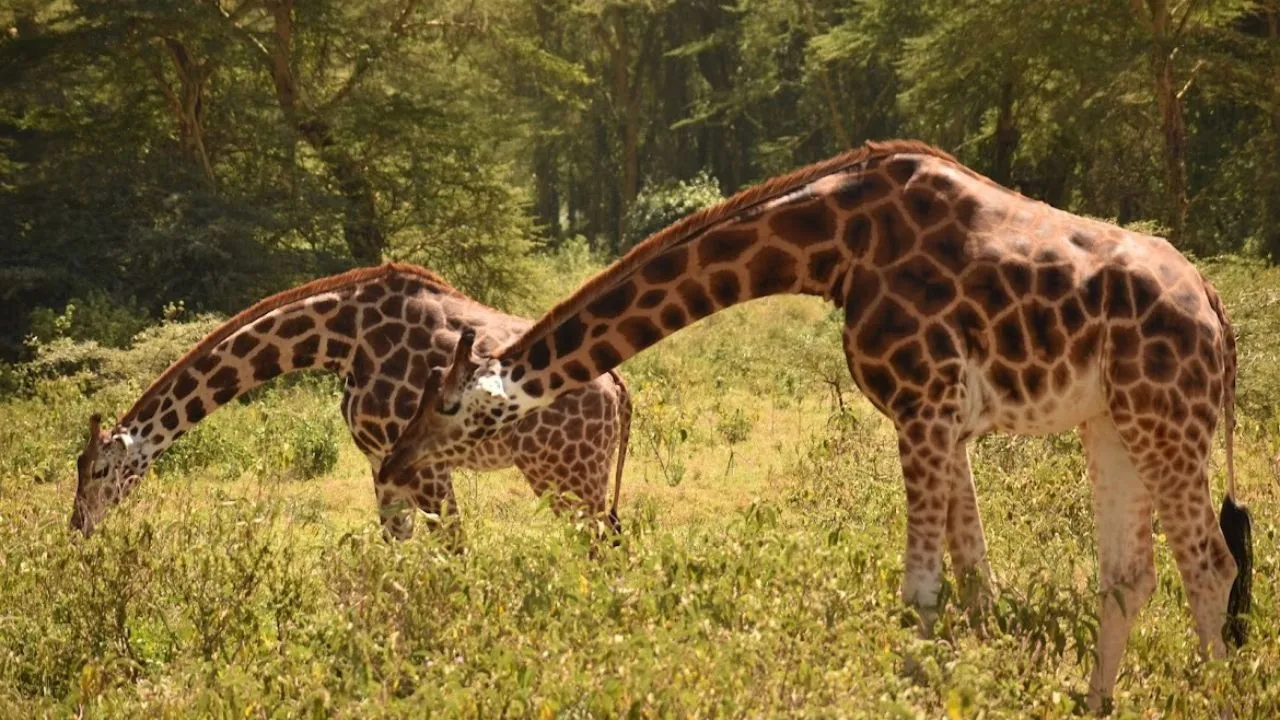
Amidst these remarkable discoveries, from a breathtaking safari at Lake Nakuru National Park to a history-filled trek through Karura Forest, and meaningful conversations at the University of Nairobi, one moment reshaped my sense of purpose more than any other. Overlooking the magnificent expanse of Nairobi National Park stands the African Heritage House—more than a museum, it is a living monument to African ingenuity, artistry, and dignity, passionately curated by Alan Donovan. As I walked through the rooms, each filled with artifacts from dozens of African cultures, I was struck by the quiet power of what they preserved. This was cultural preservation as a defiant act, affirming that African heritage is not merely historical, but a vital force shaping our global identity. It moved me to reconsider how we should define worth, not through material success or fleeting prestige, but through stories preserved, cultures honored, and lives meaningfully touched. My Kiswahili, once confined to classrooms at Columbia, became vividly enriched by laughter-filled conversations with all the remarkable people I met throughout my journey. My theoretical understanding of interfaith dialogue transformed into lived experiences transcending religious boundaries. Ultimately, the Kraft Global Fellows Program anchored my purpose in a deeper, transformative question: how can I meaningfully contribute, through learning, listening, and collaboration, to honoring and celebrating the vibrant legacy of a continent I deeply admire and respect? Some places mark you quietly; others rewrite you completely. Kenya did both. And so, this reflection ends not with parting, but with a pull: a return I already feel. Tutaonana tena, Kenya.