Why We Need To Make Healthy Eating Aspirational
An expert roundtable conevened by Columbia Global Center Mumbai recently explored how evidence, creativity, and collaboration can help reshape nutrition education in the country. The discussion, titled “Addressing Nutritional Challenges Faced by Adolescents in India,” brought together experts from Columbia University and India to rethink how healthy eating can become not just a necessity but an aspiration for India’s young generation.
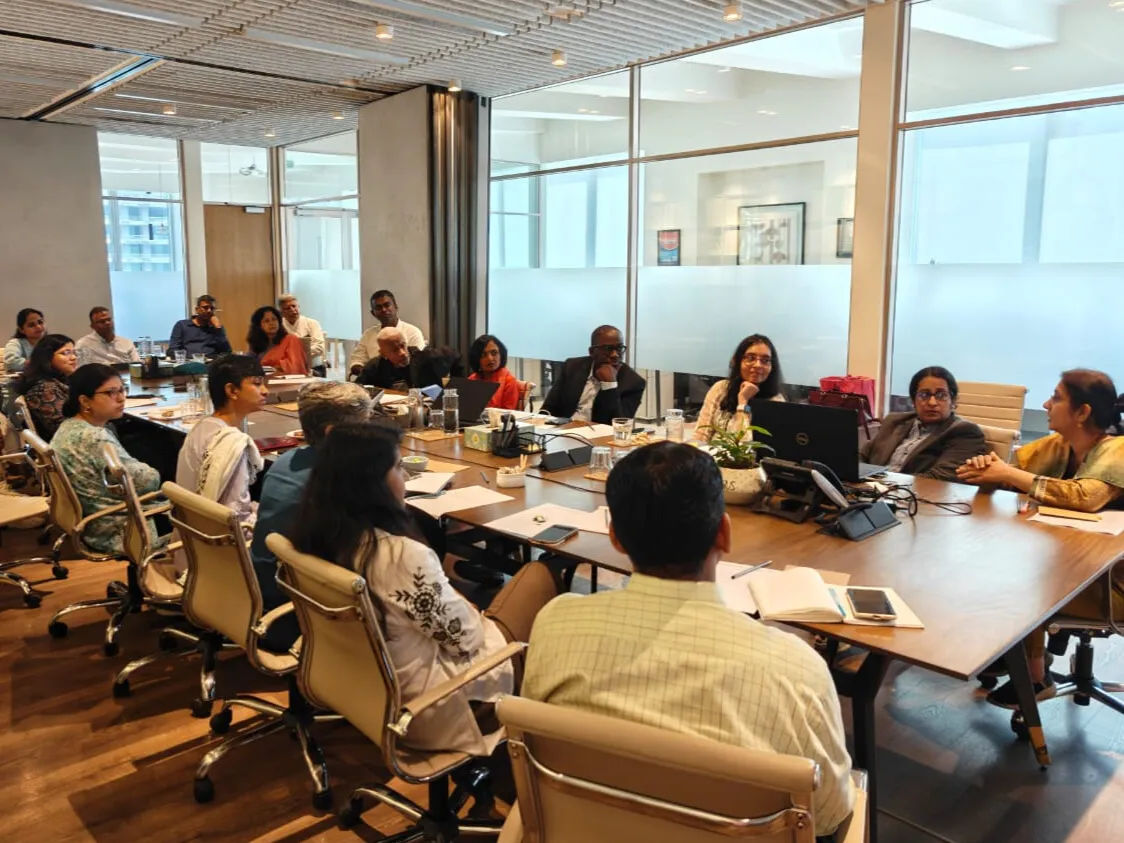
India is reeling under a complex “triple burden” of malnutrition—undernutrition, micronutrient deficiencies, and rising obesity among adolescents. An expert roundtable conevened by Columbia Global Center Mumbai recently explored how evidence, creativity, and collaboration can help reshape nutrition education in the country. The discussion, titled “Addressing Nutritional Challenges Faced by Adolescents in India,” brought together experts from Columbia University and India to rethink how healthy eating can become not just a necessity but an aspiration for India’s young generation.
Dr. Shweta Khandelwal, vice president, IPE Global and a renowned public health and nutrition expert with over two decades of experience dedicated to improving public health outcomes in India and South Asia outlined the nutrition landscape in India and the disparity
Barriers to nutrition and healthy food access
She highlighted India’s nutritional paradox is stark. With 253 million adolescents—the world’s largest adolescent population—35.5% of children remain stunted, 19.3% wasted, and 32.1% underweight. Simultaneously, childhood overweight has risen sharply: 125% among girls and 288% among boys between NFHS-4 and NFHS-5. In Maharashtra alone, over 16% of students in classes 7–9 are obese, contributing to an estimated 4% loss in India’s GDP each year.
Dr Khandelwal pointed the disparities between governments investing in nutrition and the increasing corporate budgets to aggressively market unhealthy food items such as ultra processed foods, which overwhelms public health messaging, making ultra-processed food aspirational while nutritious foods remain invisible.
"These trends underscore the need for early, engaging interventions that reach children before unhealthy habits take root," she said. “Nutrition is not just about food—it’s about systems: agriculture, education, marketing, and even urban planning,” she said. “We need collective responsibility and cross-sector collaboration to make healthy food both accessible and aspirational.”
Despite their high nutritional value, millets remain underutilized in India’s PDS, as limited subsidies, poor processing infrastructure, and low consumer familiarity make them less accessible and desirable than rice or wheat. This gap in availability and affordability acts as a barrier to nutrition, preventing diverse and nutrient-rich foods from reaching low-income households, say experts.
Beats that teach
Dr. Olajide Williams, Vice Dean of Columbia Center for Community Health (CCH) and Professor of Neurology, Columbia University and Founder of Hip Hop Public Health (HHPH), shared his pioneering approach that uses music, storytelling, and culturally rooted pedagogy to improve health literacy. Drawing from the organization’s Hip Hop Healthy Eating and Living in Schools (HEALS) curriculum, Dr. Williams showed how creative tools can transform children from passive recipients of health messaging into active nutrition advocates.
“Music-based pedagogy can make nutrition engaging and ‘cool,’ allowing children to become powerful agents of change within their homes and communities,” he noted. He emphasized that child-to-parent learning is not only possible but well-documented: randomized trials have shown that fifth- and sixth-grade students effectively teach parents about stroke symptoms, dementia, and healthy behaviors.
Dr. Williams also outlined the importance of structured, sustained engagement: “A minimum of 40–50 hours of instruction over 9–11 weeks is required to translate nutrition knowledge into behavior change.” Tools such as comics, videos, and AI-generated music-tailored to local languages and styles, further strengthen the curriculum’s appeal and ensure messages reach beyond the classroom.
Evidence, policy, and the power of culture
The conversation emphasized the need for data-driven advocacy and culturally grounded interventions. Dr. Williams reflected on lessons from his collaboration with Michelle Obama’s Let’s Move campaign in the U.S.: “The only reason we got attention from policymakers was because we had data,” he said. “Evidence speaks louder than anything else. But pairing data with culture—with music, with creativity—turns it into a movement.”
Building on international evidence, the Mumbai center is collaborating with CCH, SNEHA (Society for Nutrition, Education and Health Action) and St. Willibrord High School in Mumbai to pilot Hip Hop Nutrition India. This localized adaptation will integrate music, comics, and classroom modules co-created with Indian educators and artists, aligning scientific learning with India’s cultural and linguistic diversity.
The practical realities
Participants from India highlighted the systemic and operational considerations essential for effective adoption of such interventions in schools.
Amit Gupta emphasized the importance of curricular alignment: “Schools in India will only adopt a program if it clearly aligns with their learning goals. Successful implementation needs a well-justified target age group and a feasible duration and frequency that schools can realistically integrate into their timetables.”
He added that supplementary learning materials—beyond music—are critical to reinforce lessons at home.
Echoing these concerns, Rama Shyam, Director of SNEHA's Adolescent Health and Sexuality Education programme said there is need for a clearly articulated intervention design: “For Indian schools to adopt such a program, we need a structured model that answers basic questions including grade level, duration, format, and resources required. Schools will only buy in if the program complements existing learning pressures rather than adding to them.”
These insights point to the need for early clarity on operational parameters, especially in crowded, resource-constrained public-school settings.
Insights from the roundtable reinforced the transformative role of children in shaping family food choices. Dr. Williams noted that integrating math with nutrition (“nutrition math”) not only enhances health literacy but also strengthens academic performance—an important incentive for school acceptance. His team’s research has shown that with proper nutrition education, children reduce calorie intake from purchased foods and influence healthier purchasing within their families.
By making healthy eating culturally resonant, fun, and aspirational, programs like Hip Hop Nutrition India can help shift norms around food and wellness-especially among the age groups most receptive to creative learning methods.