Favelas at the Center: New Transnational Partnership on Resilience, Resistance and Reparations
A new international research initiative is placing community-led knowledge at the center of efforts to understand and address violence and inequality in the urban margins.
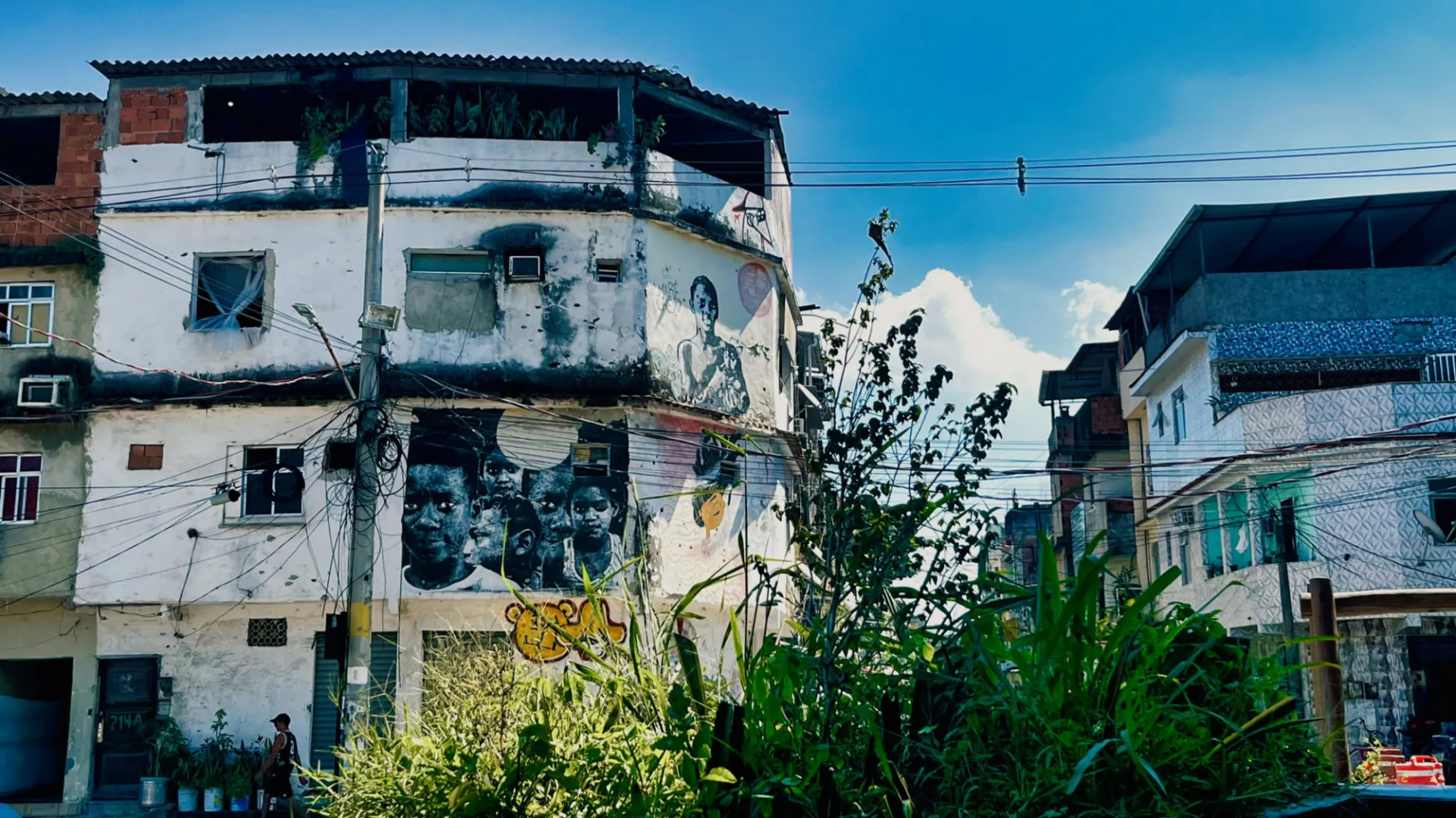
Community Resilience in the Urban Margins: Collaborative and Comparative Frameworks for Political Engagement brings together scholars, civil society leaders, and community organizers from Brazil, Kenya, and Mexico, to rethink and reshape how research on violence and citizenship is conducted. The project is co-organized by a team of faculty and researchers at Columbia University and Barnard College that consists of Luna Borges, lecturer in law at Columbia Law School, Nicholas Barnes, visiting scholar at Columbia’s Institute of Latin American Studies, and Eduardo Moncada, director of the Institute of Latin American Studies at Columbia University and the Claire Tow Associate Professor of Political Science at Barnard College.
The project's first in-person workshop was held March 17-18 in Maré, Rio de Janeiro’s largest group of favelas (marginalized neighborhoods), in partnership with Redes da Maré, a leading civil society organization that co-produces knowledge with communities to bolster democratic, transformative approaches to public security. The workshop involved more than 35 participants, including favela-based organizations and residents, representatives from Redes da Maré, members of the Rio–Mexico City–Nairobi research collaboration, and students from the Human Rights Clinic at Columbia Law School.
One of the most powerful moments of the gathering came when representatives from Maré and other favelas around the city presented the methodology of a collaborative research project to measure public opinion regarding violent police operations. Their work documents how residents and grassroots organizations are generating their own data to track patterns and perceptions of violence, particularly those related to state interventions in marginalized neighborhoods.
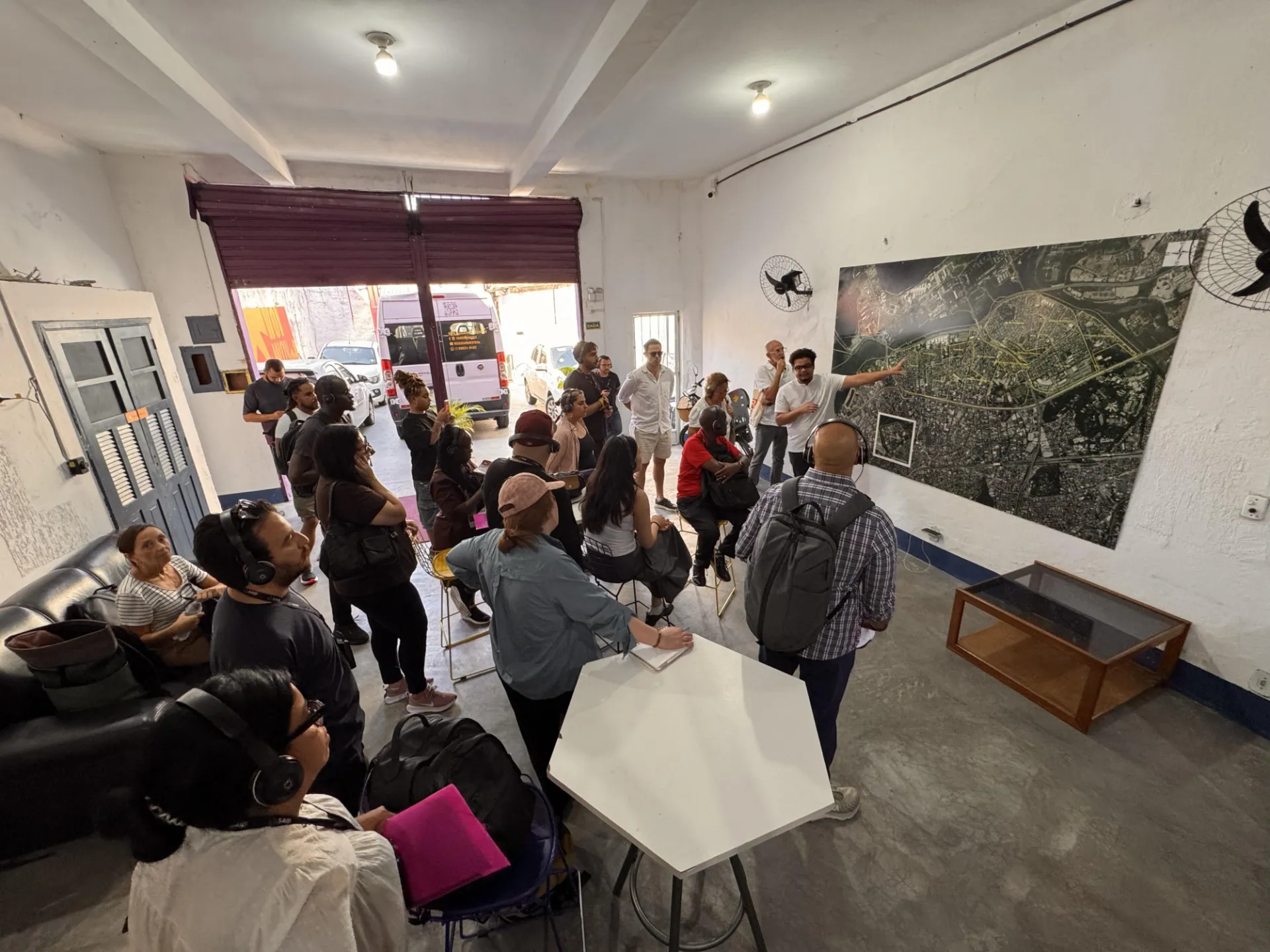
As Moniza Ansari, a Redes da Maré lawyer and advocacy strategist that co-organized the workshop, reflected: “If we want to understand resilience in marginalized territories, we must listen to the people who live it every day: favelas are not problems, but sites of creativity, knowledge production and resistance.”
For Moncada, these efforts represent a crucial shift in how urban violence is studied and can inform public policies, particularly in a context of securitized responses that often violate human rights: “Residents from Maré are essential producers of knowledge and key actors in shaping solutions,” he noted. “Their experiences challenge conventional narratives about violence and offer practical insights into resilience and collective action.”
Rather than focusing solely on academic exchange, the discussions emphasized how research can support community-led advocacy, policy change, and demands for justice and reparations. By connecting these experiences across regions, the project is developing comparative insights into how communities organize and mobilize their collective strategies.
For instance, civil society organizations, such as Redes da Maré, have inserted “reparations” into public debates about the urban margins to better explain ongoing inequality and violence while seeking redress for centuries of state abuse and neglect. In addition, Redes has increasingly shifted toward using their own data production to demand greater accountability, a shift which highlights the ways in which ongoing forms of colonialism continue to invisibilize and directly target favela populations. Working from this perspective, Global North countries and organizations have a responsibility to recognize and support these efforts for reparatory justice, which includes reconsidering approaches to research, methods and partnerships for knowledge production.
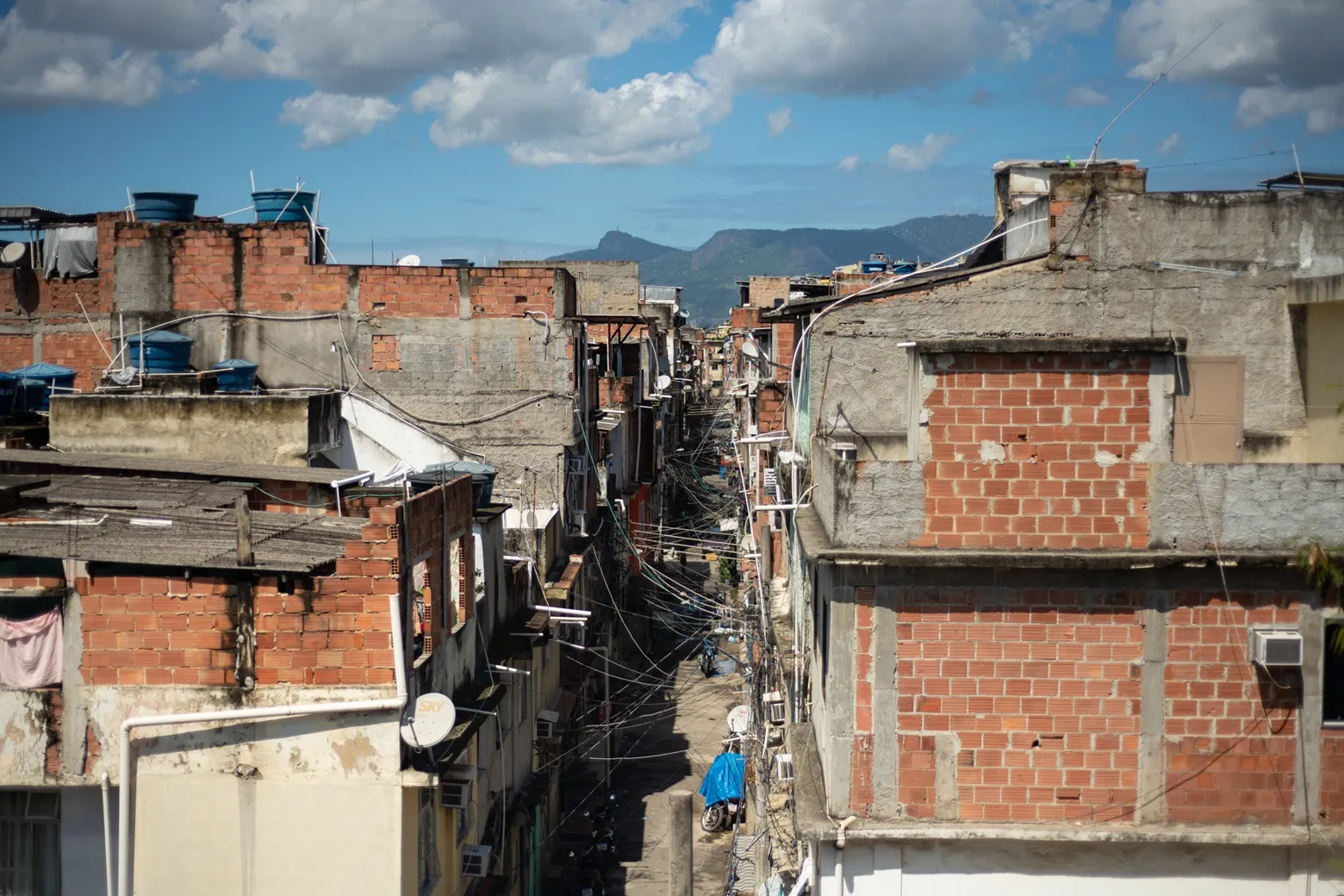
Accordingly, this initiative also seeks to strengthen justice and trust between universities, organizations, and citizens from the urban margins, a relationship that has long been uneven. Through participatory workshops, collaborative analysis, and collective writing, the project aims to create a research model that is both academically rigorous and accountable to the communities whose experiences shape it.
Ultimately, the initiative underscores how solutions to violence and inequality are already being developed within communities themselves and that transnational solidarity and comparative studies can help further advance this knowledge production and policy solutions.
The full workshop report will soon be published in English, Spanish, and Portuguese.