A Summer of Connection and Collaboration at the Nairobi Center
A look at the faculty, research, and partnership engagements that shaped August at the Center.
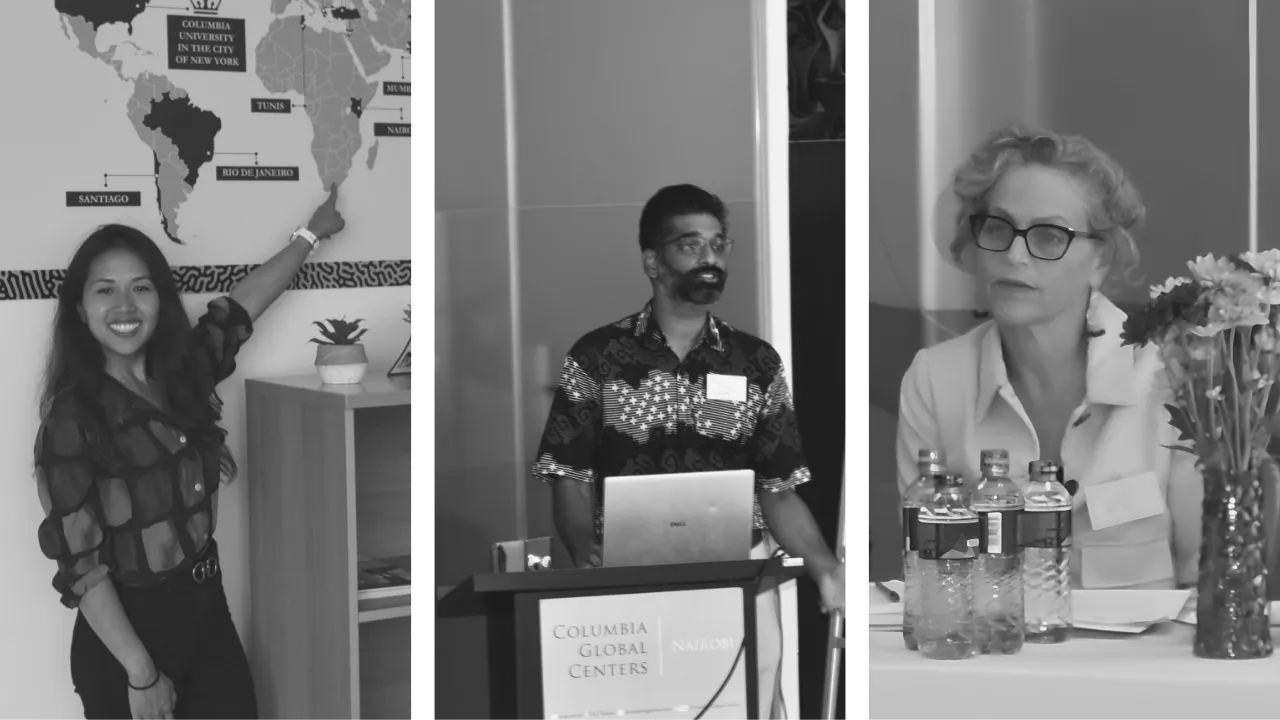
Throughout August, the Center welcomed faculty, researchers, and partners whose work reflects the many ways knowledge moves beyond the university and into conversation with communities, institutions, and practitioners.
From biodiversity research in the Maasai Mara to conversations on the future of climate-resilient agriculture, and from strategic discussions on women’s leadership to new possibilities for collaboration, the month offered a snapshot of what can happen when Columbia scholarship meets local expertise.
Image Carousel with 2 slides
A carousel is a rotating set of images. Use the previous and next buttons to change the displayed slide
-
Slide 1: Professor Lily Xu, Sun-Wu Assistant Professor at Columbia University
-
Slide 2: Professor Lily Xu, Sun-Wu Assistant Professor at Columbia University
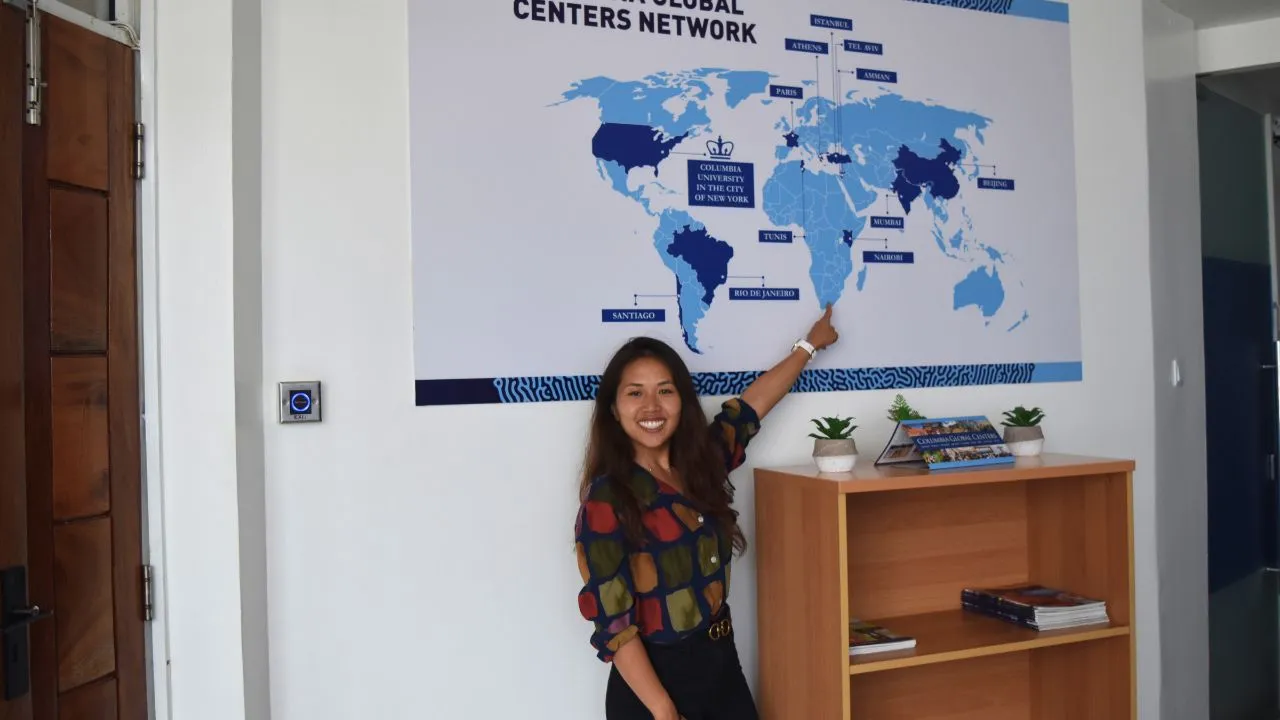
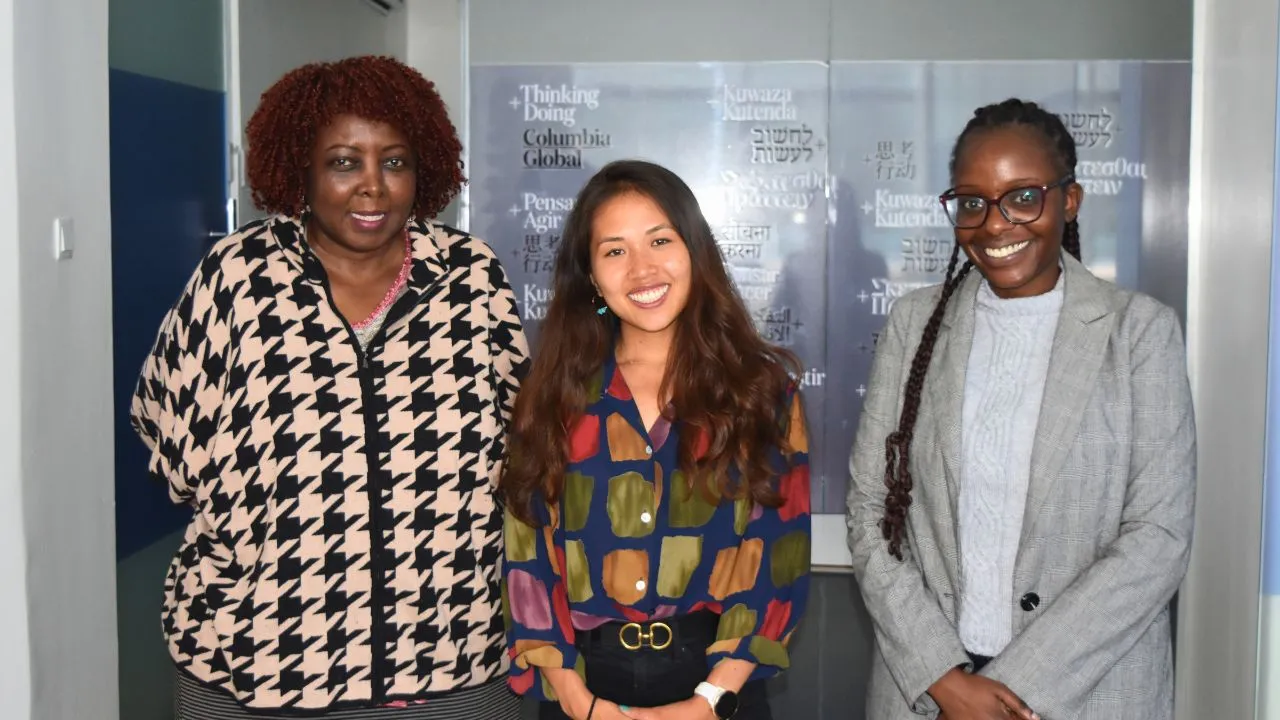
One of those visitors was Prof. Lily Xu, Sun-Wu Assistant Professor in Columbia University’s Department of Industrial Engineering and Operations Research, who spent time in Nairobi as a Scholar-in-Residence alongside her PhD student, Noah Krever. Their visit focused on biodiversity monitoring and conservation research, creating opportunities to connect with Kenyan organizations working at the forefront of conservation.
Meetings with Natural State opened conversations about potential areas of collaboration, and a field visit with Big Life Kenya in the Maasai Mara brought the research into direct conversation with conservation efforts on the ground. The visit highlighted the value of connecting researchers with organizations whose work is rooted in the landscapes and communities at the heart of these questions.
Climate and agriculture were also at the center of conversations in Nairobi.
Image Carousel with 2 slides
A carousel is a rotating set of images. Use the previous and next buttons to change the displayed slide
-
Slide 1: Climate Multi-stakeholder workshop with Professor Lisa Dale, Lecturer in Climate and the Director of the MA in Climate, Columbia University’s Climate School.
-
Slide 2: Professor Lisa Dale is a Senior Lecturer in Climate and the Director of the MA in Climate and Society program at Columbia University’s Climate School.
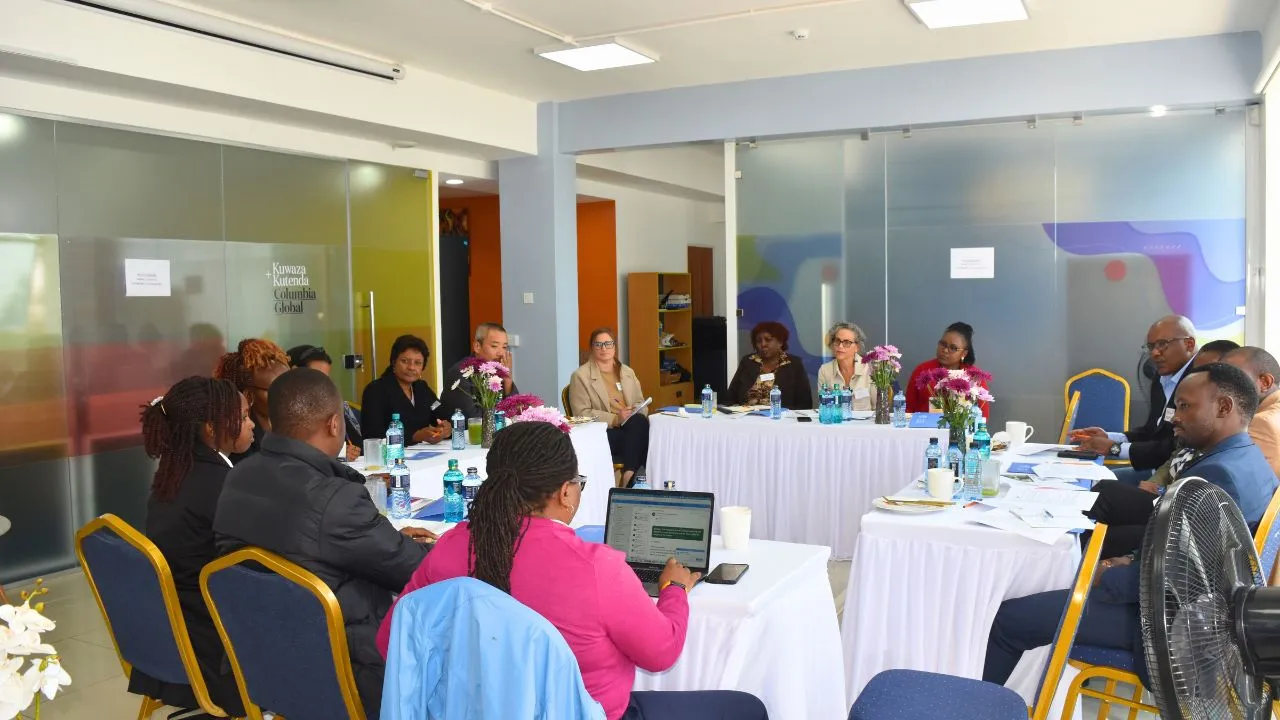
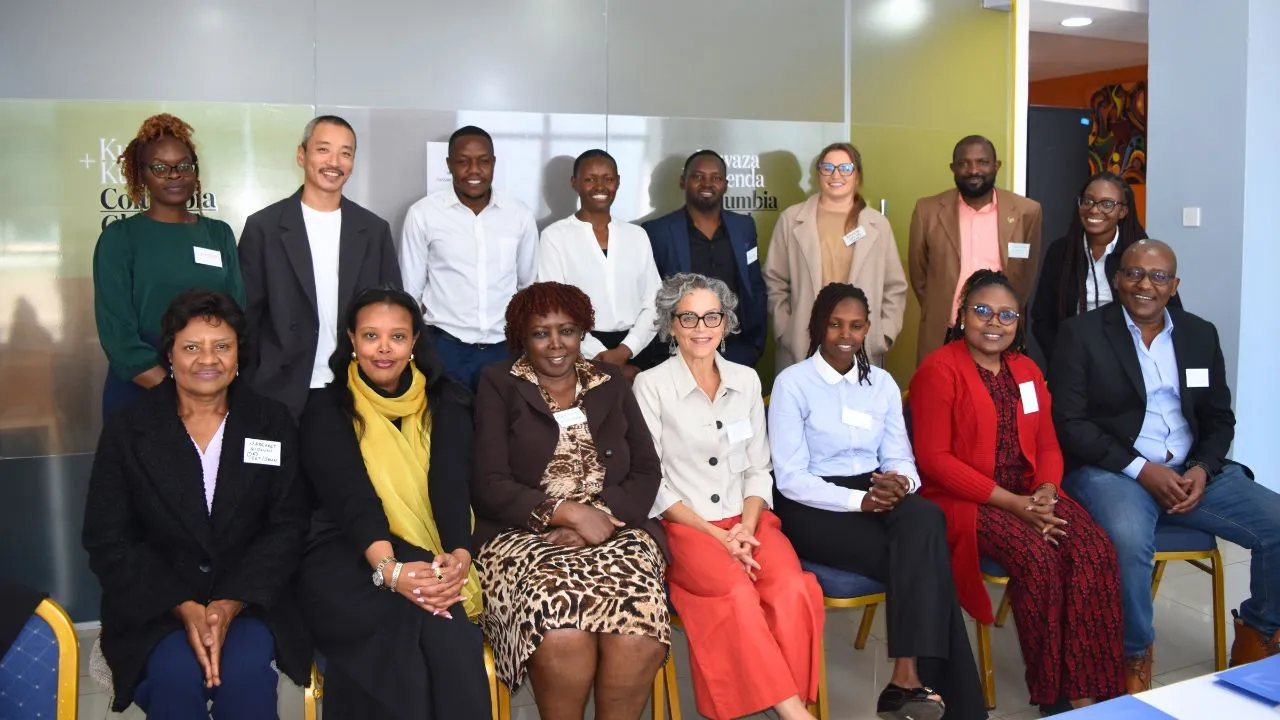
The Center convened a multi-stakeholder workshop with Prof. Lisa Dale of the Columbia Climate School to explore developing a Columbia–Kenya study abroad and exchange program focused on climate-resilient agriculture. Kenyan and regional research institutions, private-sector agribusiness and investment partners, and NGOs came together to consider what such a program could look like and how meaningful local partnerships could shape it.
Rather than simply bringing students to Kenya to learn, discussions emphasized the importance of developing a reciprocal, locally co-designed academic experience, supported by sustained relationships between Columbia faculty and Kenyan institutions. Participants identified potential areas of focus, including climate-adapted agriculture, crop insurance, climate information services, and agricultural extension.
The month also brought together another network focused on advancing women’s empowerment across Africa.
Image Carousel with 2 slides
A carousel is a rotating set of images. Use the previous and next buttons to change the displayed slide
-
Slide 1: POWER Retreat workshop led by, Mahesh Karra, Associate Professor of Population and Family Health
-
Slide 2: Mahesh Karra, Associate Professor of Population and Family Health
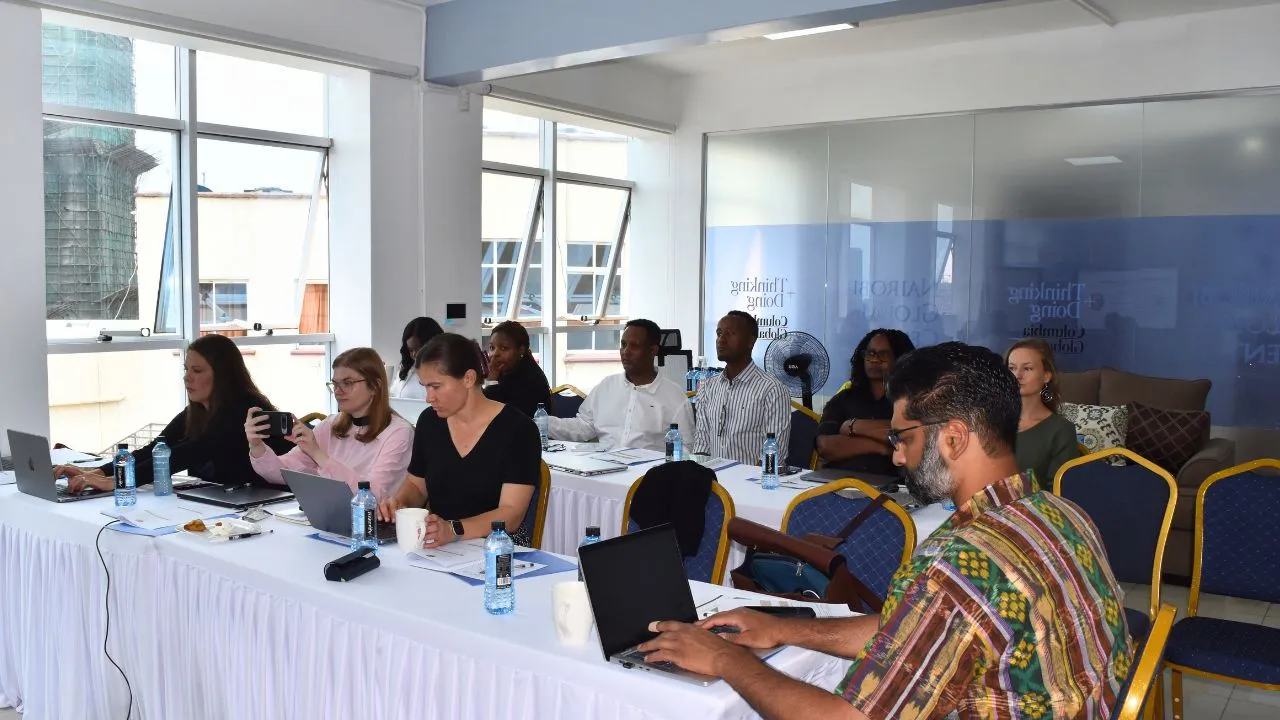
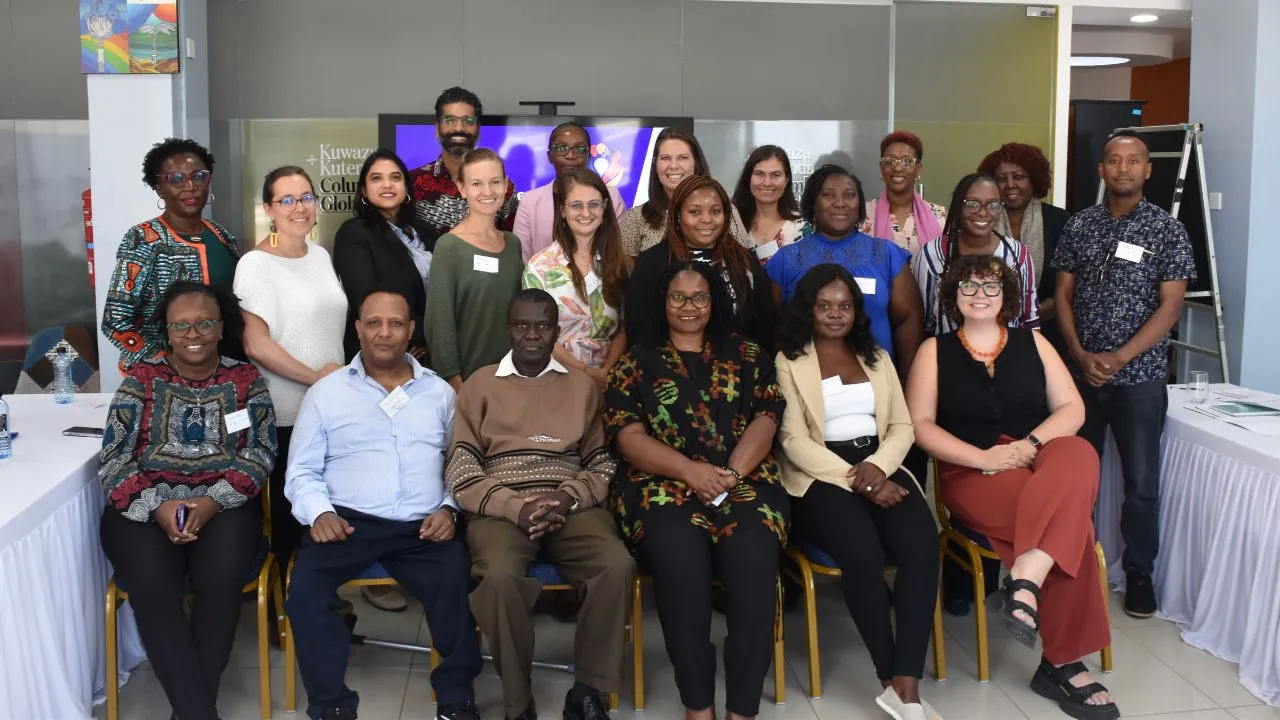
CGC Nairobi hosted the Africa POWER Consortium Retreat, led by Prof. Mahesh V. Karra, bringing together the consortium’s five partner organizations for strategic planning, internal workshops, and conversations with stakeholders and funders working on women’s empowerment.
Beyond the retreat's planning sessions, the gathering created space to explore what could come next. CGC Nairobi presented its Women's Multi-Sector Leadership concept, sparking conversation around its potential connection with the consortium's Women-Led Round Tables initiative. The discussion pointed to a shared opportunity: developing the two ideas jointly and pursuing funding for a platform that would bring women's perspectives more directly into development conversations, advancing gender-responsive programming and policy across Africa.
Together, these engagements reflect CGC Nairobi's role in creating space for Columbia faculty and African partners to meet, exchange ideas, and explore what collaboration can make possible. This summer, Nairobi was not simply a destination for visiting scholars. It was a place where research met practice, new questions emerged, and conversations began to take shape into possibilities for the future.