Adolescent Support and Community-Building after the Earthquake in Türkiye (ASCENT): Supporting the Mental Health and Psychosocial Wellbeing of Adolescents in Şanlıurfa
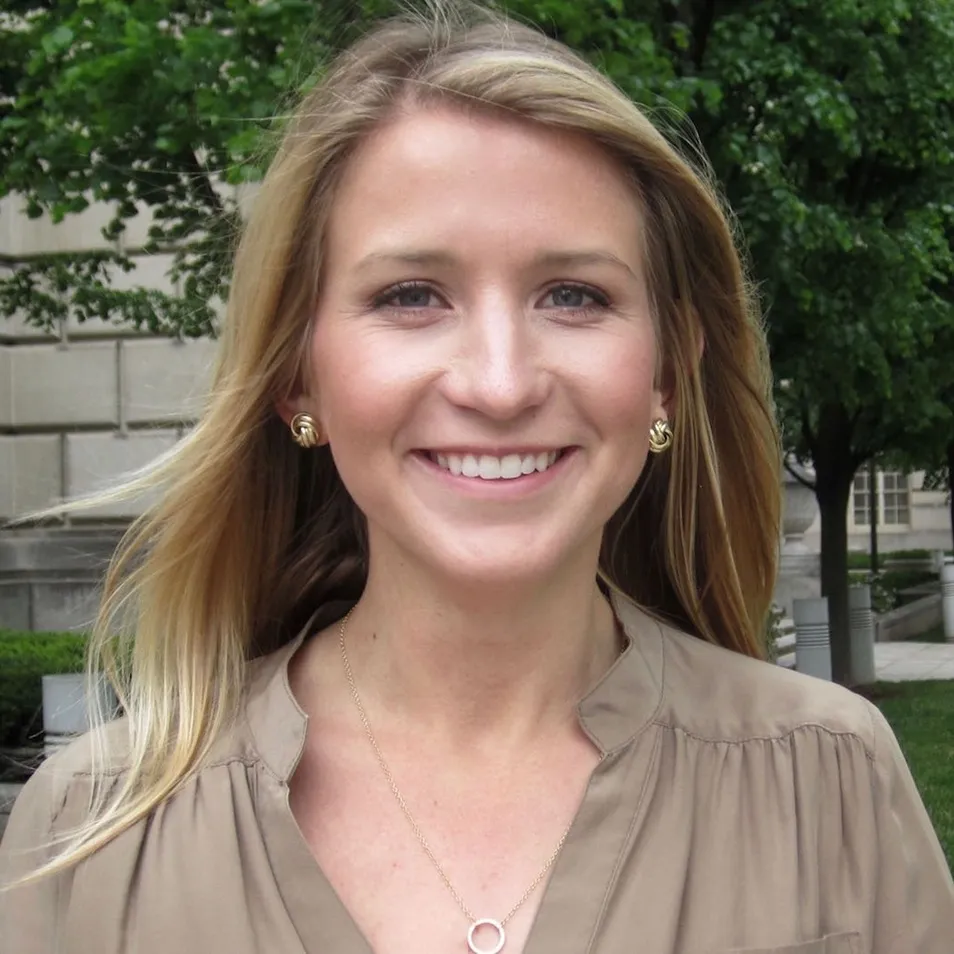
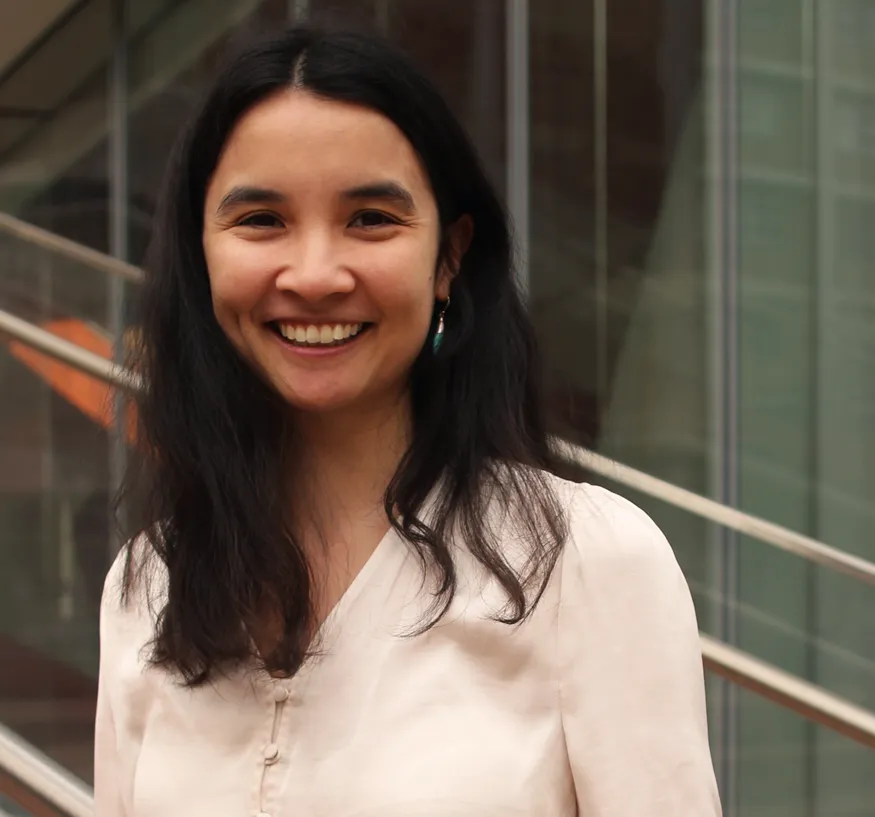
Project Description
The devastating Türkiye-Syria earthquakes in February 2023 displaced over 660,000 children and adolescents in Türkiye, many of whom still lack adequate shelter, education and other essential services. These stressors have contributed to high rates of mental health problems among earthquake-affected adolescents in Şanlıurfa, one of the most devastated provinces. Existing mental health services are insufficient to meet overwhelming population needs. Early intervention is critical, as untreated mental health issues during adolescence negatively impact health, social, educational and economic outcomes across the life course.
Columbia University’s Care and Protection of Children (CPC) Learning Network will partner with Turkish organization Maya Vakfı to assess the acceptability and feasibility of scaling an evidence-based, low-cost, community-delivered mental health intervention: the Early Adolescent Skills for Emotions (EASE) program, developed by the World Health Organization and UNICEF.
Specifically, this project will:
- Pilot the intervention with 32 adolescents and their caregivers in Şanlıurfa, and evaluate its feasibility, acceptability, and preliminary effectiveness on mental health symptoms and secondary outcomes.
- Evaluate the acceptability, feasibility and scalability of implementing EASE for adolescents in earthquake-affected communities in Türkiye and other disaster settings.
Expected outcomes include improved mental health and psychosocial well-being among adolescent participants, strengthened capacity of local partners to deliver evidence-based mental health and psychosocial support services, and publicly available program materials tailored to the context. Findings will inform strategies for scaling EASE across additional provinces in Türkiye and contribute to global evidence for supporting adolescent mental health and psychosocial well-being in disaster and displacement settings.
AI-Enhanced Decision Support Model for Cultural Heritage Preservation in Post-Earthquake Environments: PreservAI
Project Description
PreservAI is an interdisciplinary research initiative developing AI-enhanced, GIS-integrated tools for detecting and assessing damage to cultural heritage sites in the aftermath of earthquakes. Tailored specifically for post-disaster environments, the project focuses on improving how historic structures are identified, classified, and prioritized for intervention—particularly in rural areas that are often overlooked in conventional disaster response.
The project focuses on the rural heritage of the southeastern part of Turkey, one of the regions most severely impacted by the 2023 earthquakes. By combining artificial intelligence, aerial imagery analysis, and geospatial mapping, PreservAI aims to create scalable, open-access tools that empower communities and preservation professionals to make faster, better-informed decisions in the face of crisis.
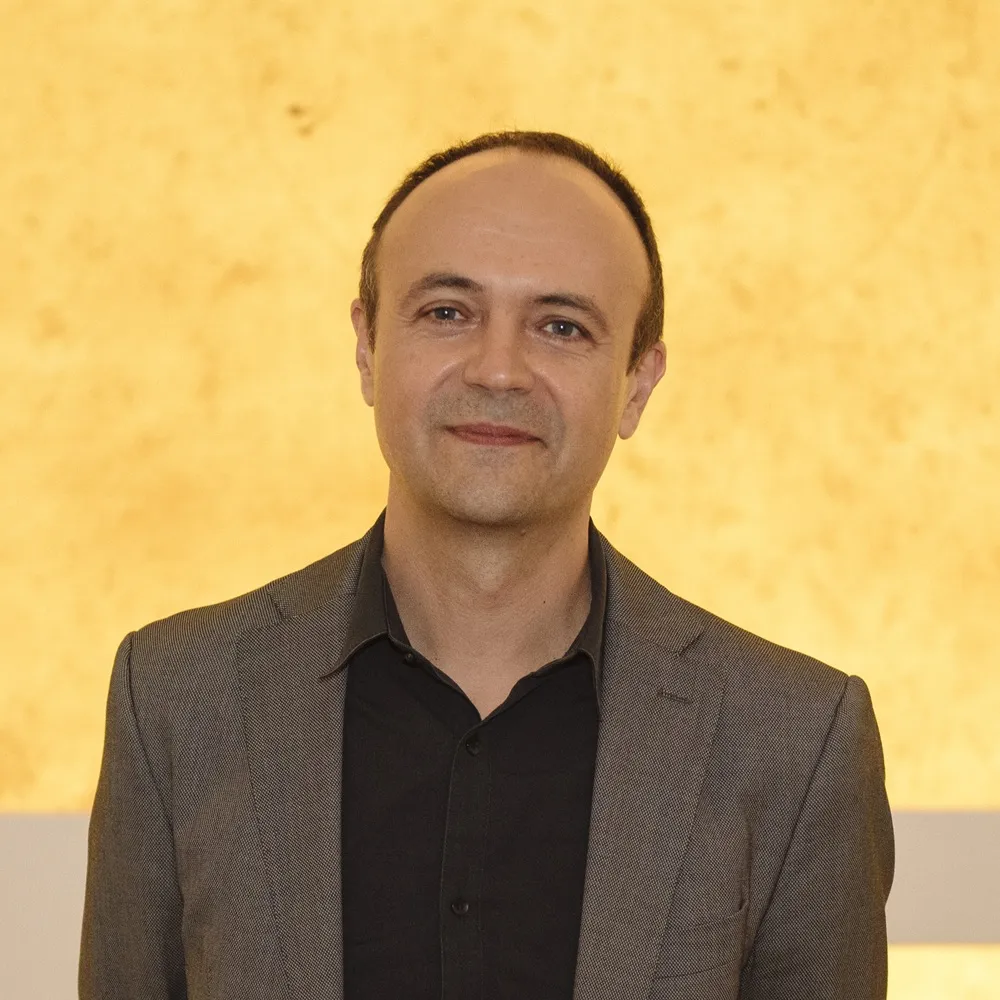
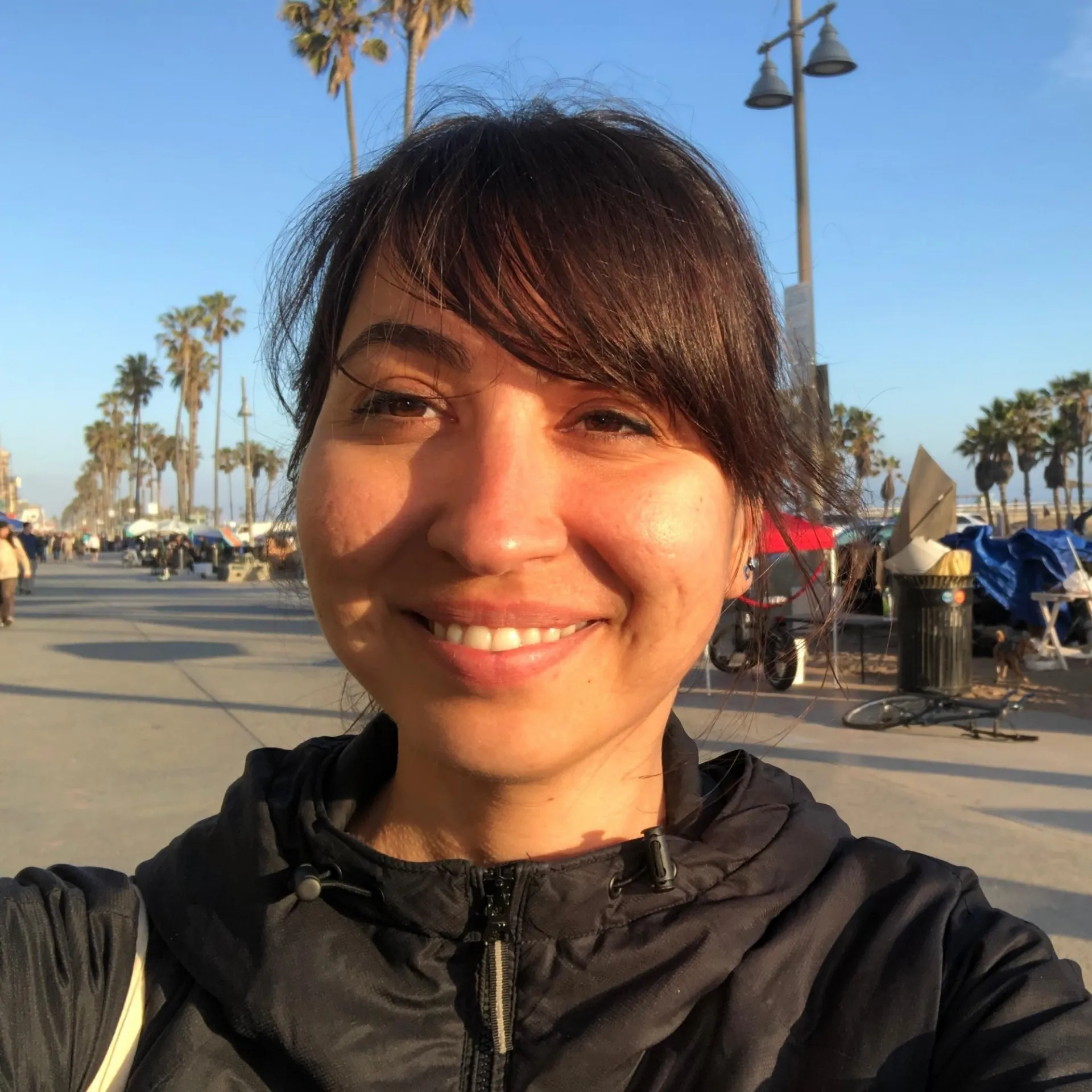
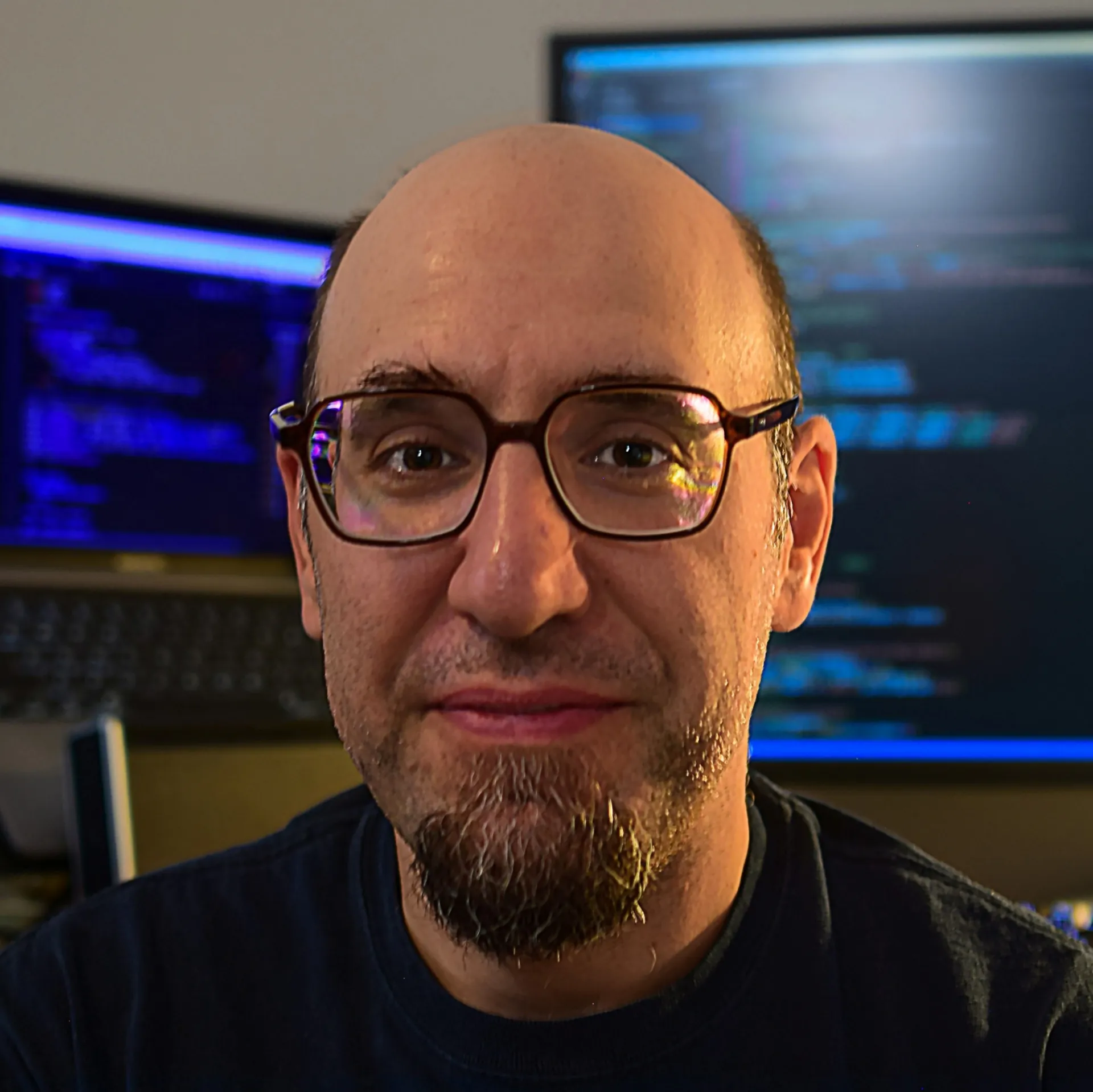
PreservAI is led by Jorge Otero-Pailos, Professor and Director of the Historic Preservation Program and the Columbia Preservation Technology Lab at Columbia University GSAPP, who serves as the project’s Principal Investigator. The research is co-led by Bilge Köse and Kıvanç Köse, Adjunct Associate Research Scholars at GSAPP. Bilge Köse brings expertise in GIS, digital heritage, and public-facing tools, while Kıvanç Köse leads the development of the AI models that analyze building loss and transformation across time. Together, the team bridges preservation, computer science, and design education.
The project also includes international workshops and parallel AI courses to be offered at Columbia and Middle East Technical University (METU), reinforcing academic collaboration and advancing a new generation of digitally fluent preservationists.