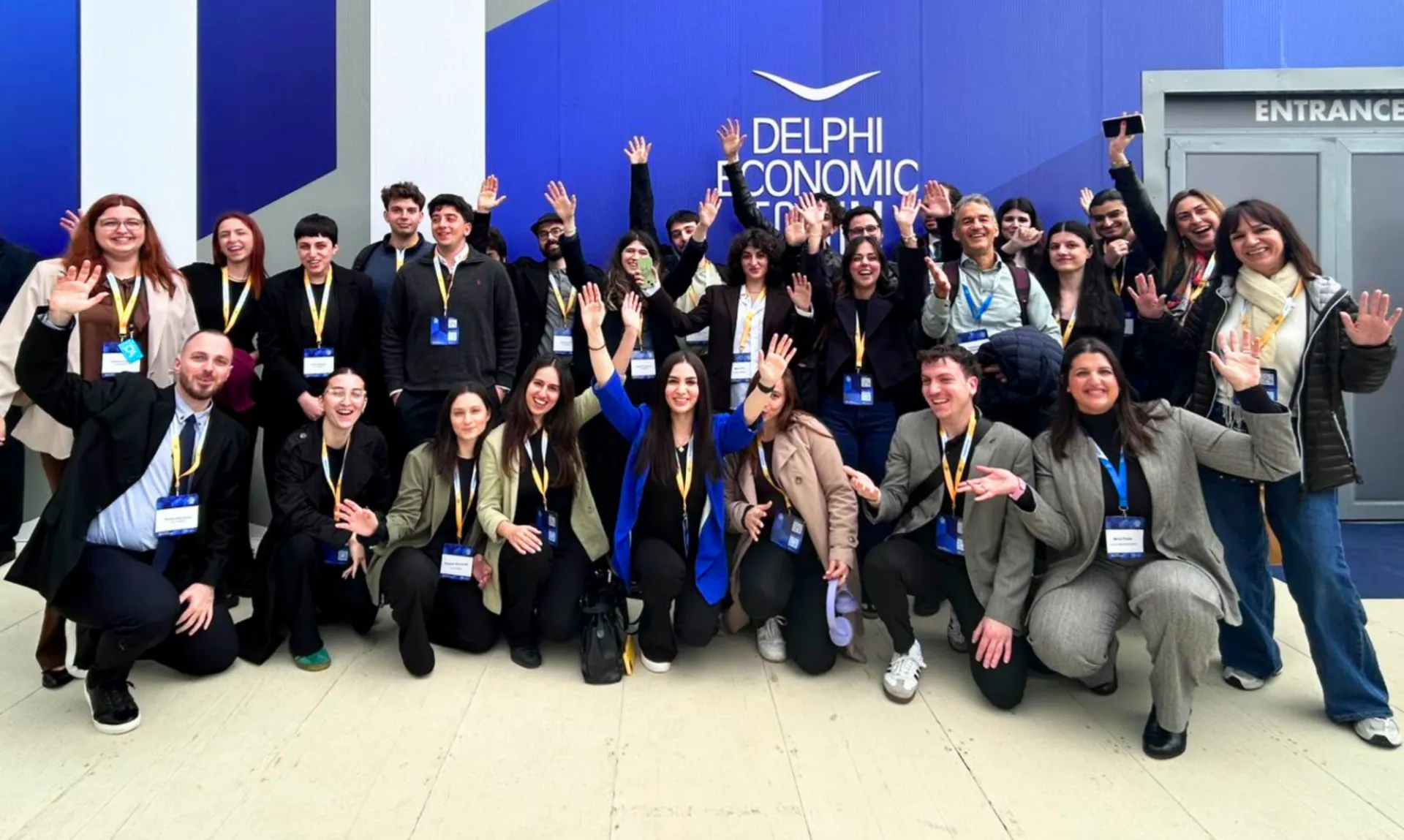
Columbia University at 2026 Delphi Economic Forum
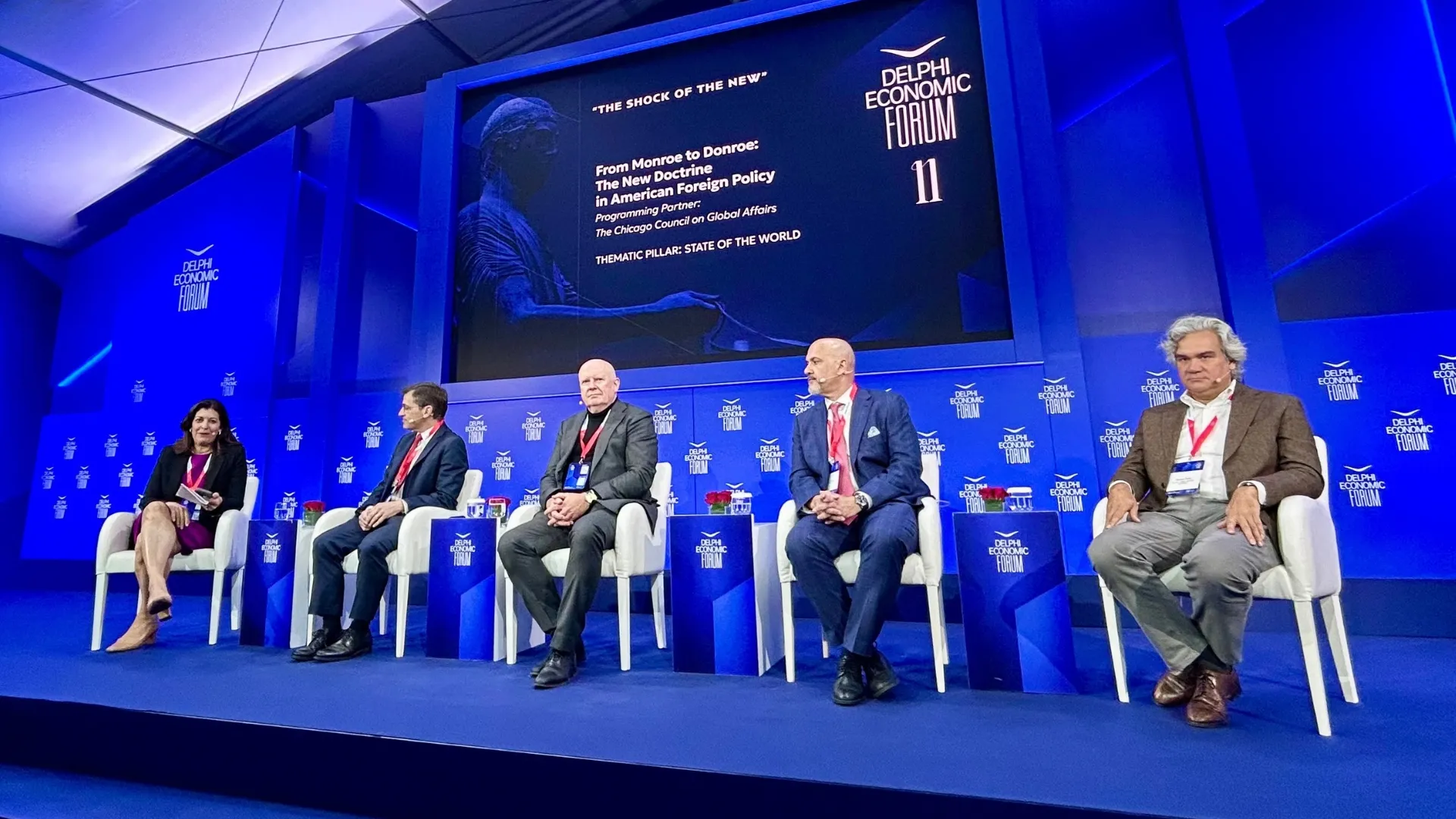
Columbia Global Center Athens returned to the Delphi Economic Forum this April for the second consecutive year as a Programming Partner, with Columbia faculty and thought leaders contributing to this year’s theme, “The Shock of the New,” leading discussions about pressing global challenges — from healthcare and disaster resilience to geopolitics, tourism, and artificial intelligence.
Key Conversations
As rapid transformation continues to reshape societies worldwide, the Forum highlighted the importance of collaboration across academia, policy, and industry in building more resilient and inclusive futures.
Professor Lusine Poghosyan from Columbia Nursing School addressed the growing healthcare workforce crisis, emphasizing the need for resilient models of care delivery, stronger primary care systems, and better support for underserved communities facing shortages of specialized medical professionals.
Professor Jeff Schlegelmilch from the Climate School explored how societies can better prepare for increasingly complex “megadisasters,” highlighting the importance of resilience planning, policy coordination, and social cohesion in responding to global crises intensified by climate change and instability.
Professor Jeff Schlegelmilch continued discussions on tourism focused on how overlapping disruptions — including climate change, geopolitical tensions, and economic uncertainty — are reshaping destinations and long-term sustainability, while underscoring the need for collaboration between the public and private sectors.
Barnard College Professor Alexander Cooley examined the evolving direction of U.S. foreign policy and its global implications, exploring how changing political dynamics and national interests are influencing diplomacy and international cooperation.
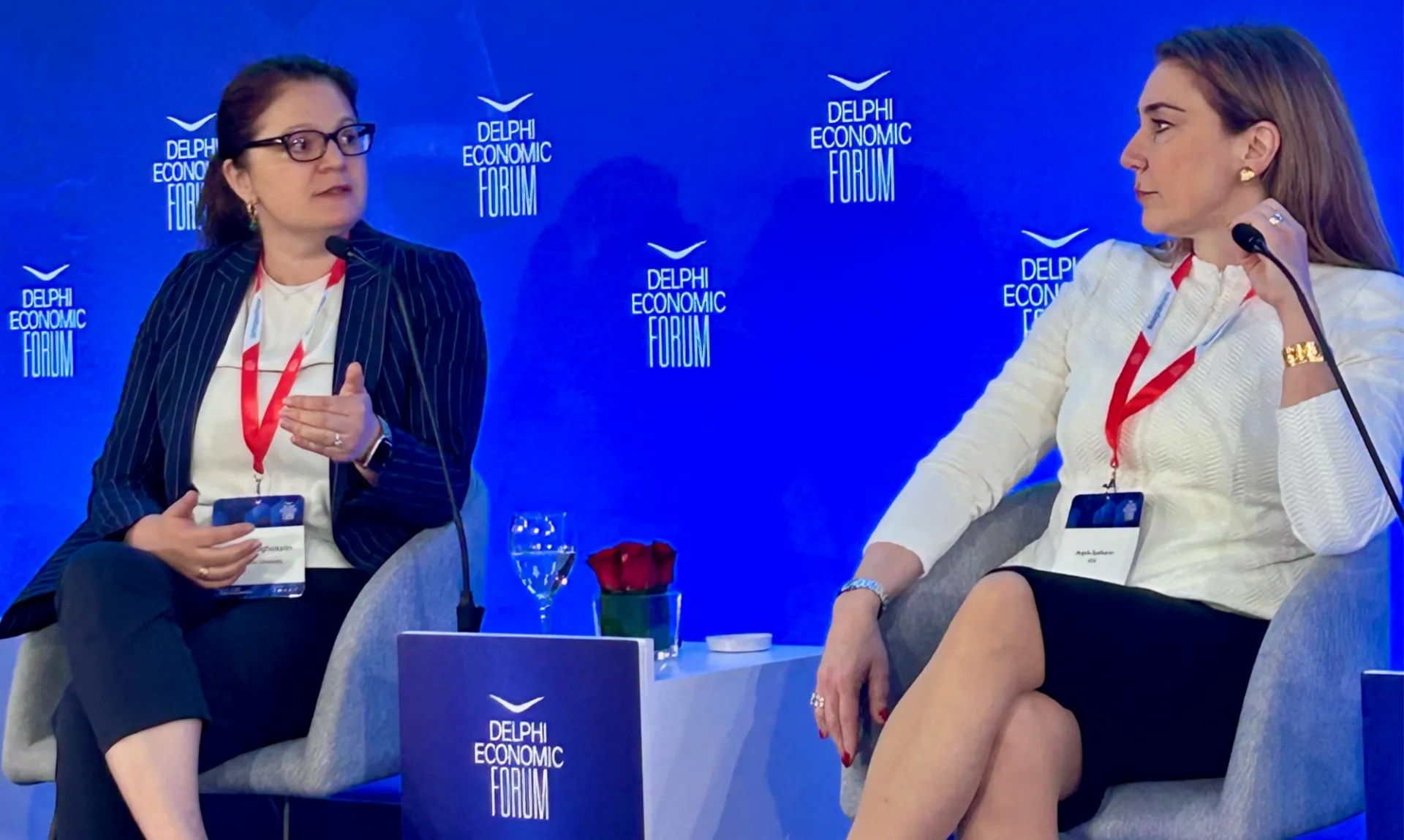
A major highlight was the session “AI and the Future of Education,” curated by Columbia University and chaired by SIPA Professor Yanis Ben Amor.
The discussion explored whether AI will help reduce global educational inequalities or risk widening existing divides. Drawing on examples from Greece, Brazil, Kenya, and India, panelists examined how AI can expand access to education, while emphasizing the importance of ethical implementation, AI literacy, and inclusive policy frameworks.
A key takeaway from the session was that technology alone is not enough — meaningful impact requires collaboration, thoughtful governance, and human-centered approaches to learning.
Lab to Market: From Research to Real-World Impact
Thirty Lab to Market fellows attended the Forum, offering emerging innovators and entrepreneurs the opportunity to engage directly with global leaders, policymakers, and changemakers. The experience reinforced the importance of connecting research, innovation, and entrepreneurship to real-world societal challenges.