The Evolution of Greece's Refugee Policies
How has Greece’s treatment of refugees evolved over the past decade, as the country moved from an emergency humanitarian response to long-term policies?
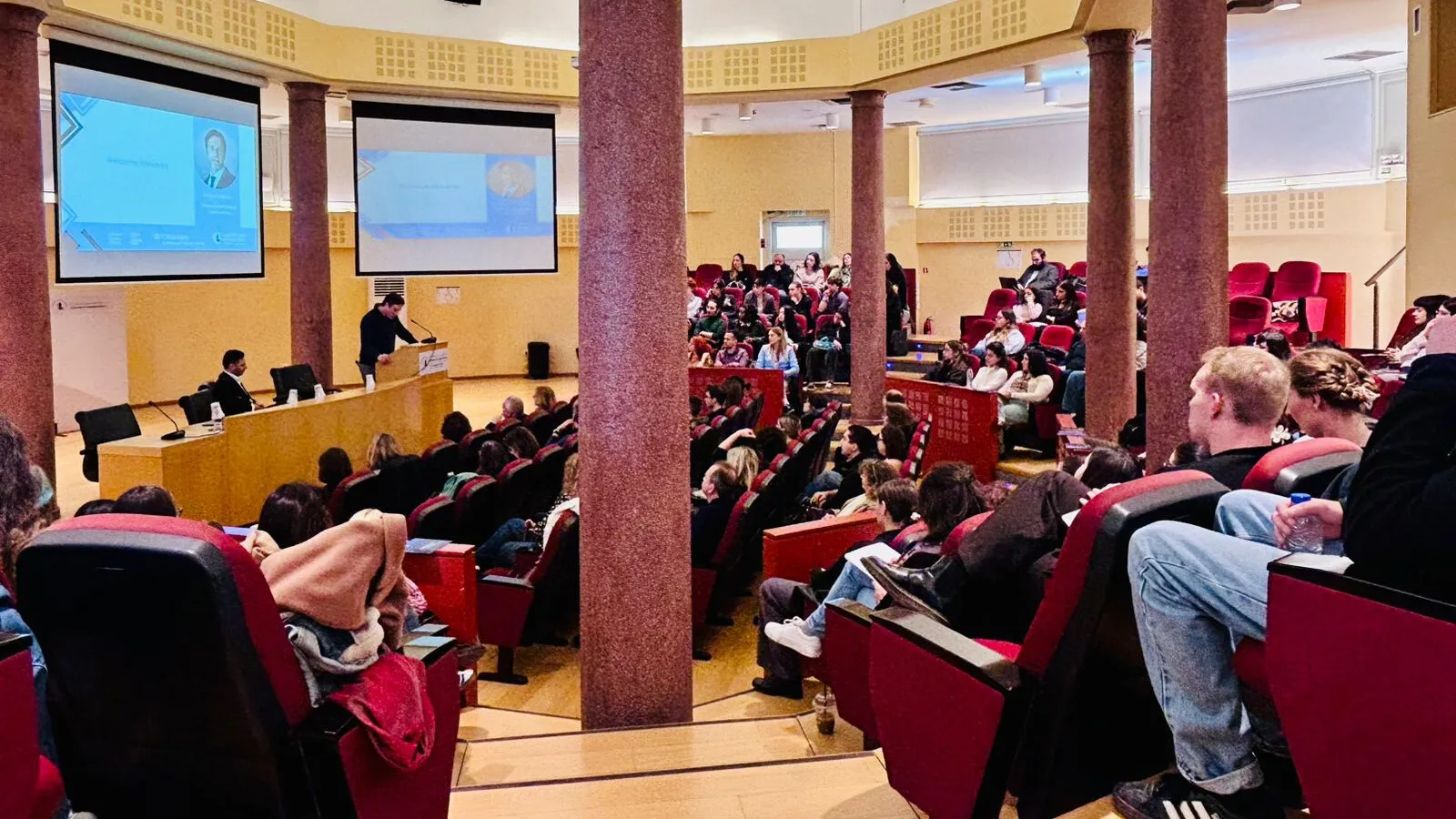
A March 13 discussion in Athens — “After the Crisis Narrative: Refugee Protection and the Politics of Care in Greece” — highlighted how Greece has expanded legal frameworks and institutional structures to better reflect long-term refugee needs, but panelists were concerned about significant gaps that remain in translating policy into consistent, child-friendly, and sustainable everyday practice.
Speakers at the event, including experts in social work from the University of West Attica and Columbia Unversity, focused on the importance of coordination among researchers, policymakers, NGOs and frontline workers, as well as with interdisciplinary partnerships between, for example, social work and public health.
A top question for panelists: How can the nation move refugee protection beyond short-term crisis management toward sustainable systems that support long-term integration, including legal protection, economic opportunity, and social and cultural inclusion?
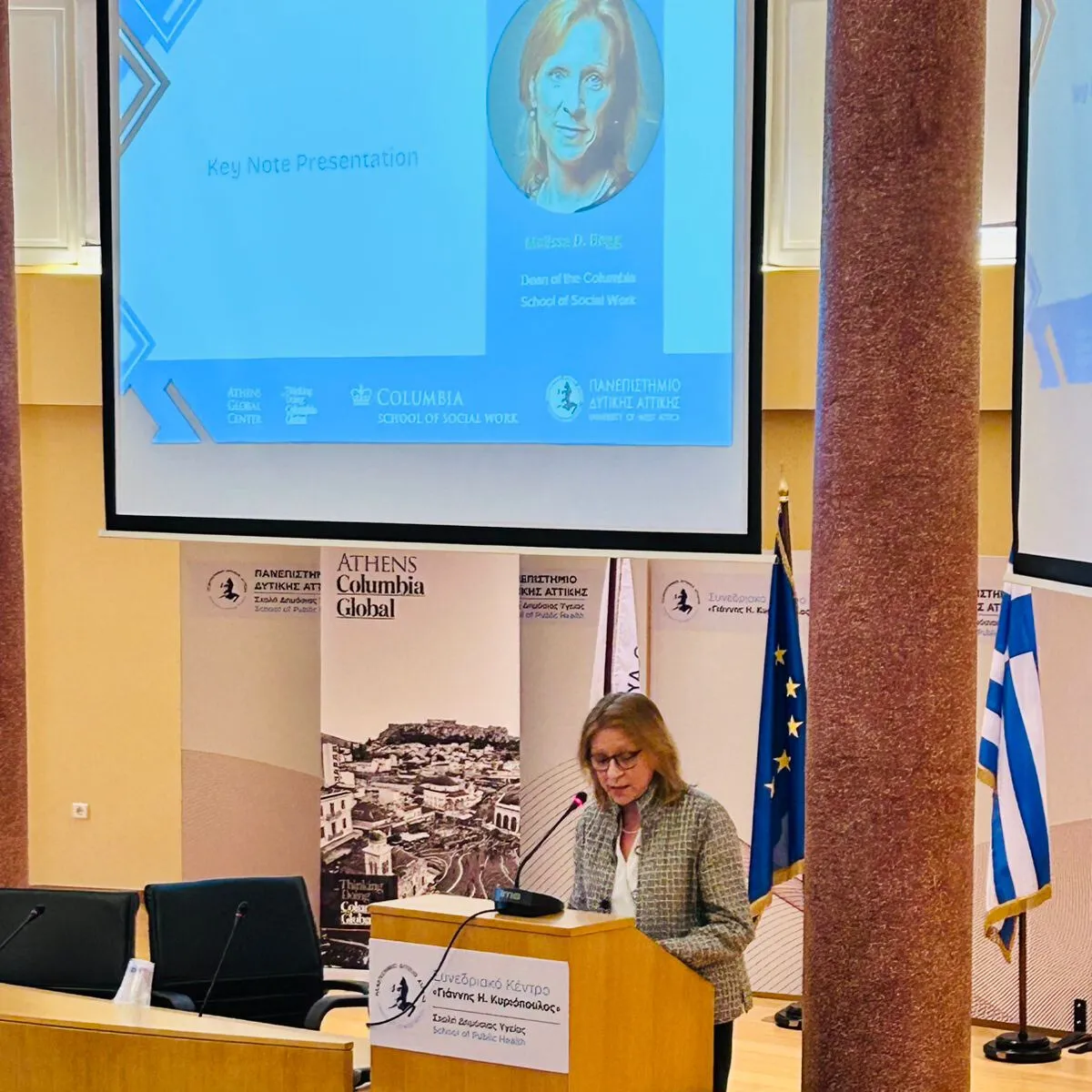
In her keynote address, Melissa D. Begg, Dean of the Columbia School of Social Work, reflected on the structural roots of displacement and inequality. “Much of human suffering is manufactured," she said. "Addressing it requires people from different disciplines sitting around the same table — questioning assumptions, challenging one another, and working together toward better outcomes.”
Read about Columbia Global’s unique Healing Roots project on refugee mental health interventions.