More Than a Fellowship: Finding My Footing, On and Off the Page
Reflections on the Columbia Global Emerging Scholars Fellowship by the Nairobi Center fellow, Razan Ali.
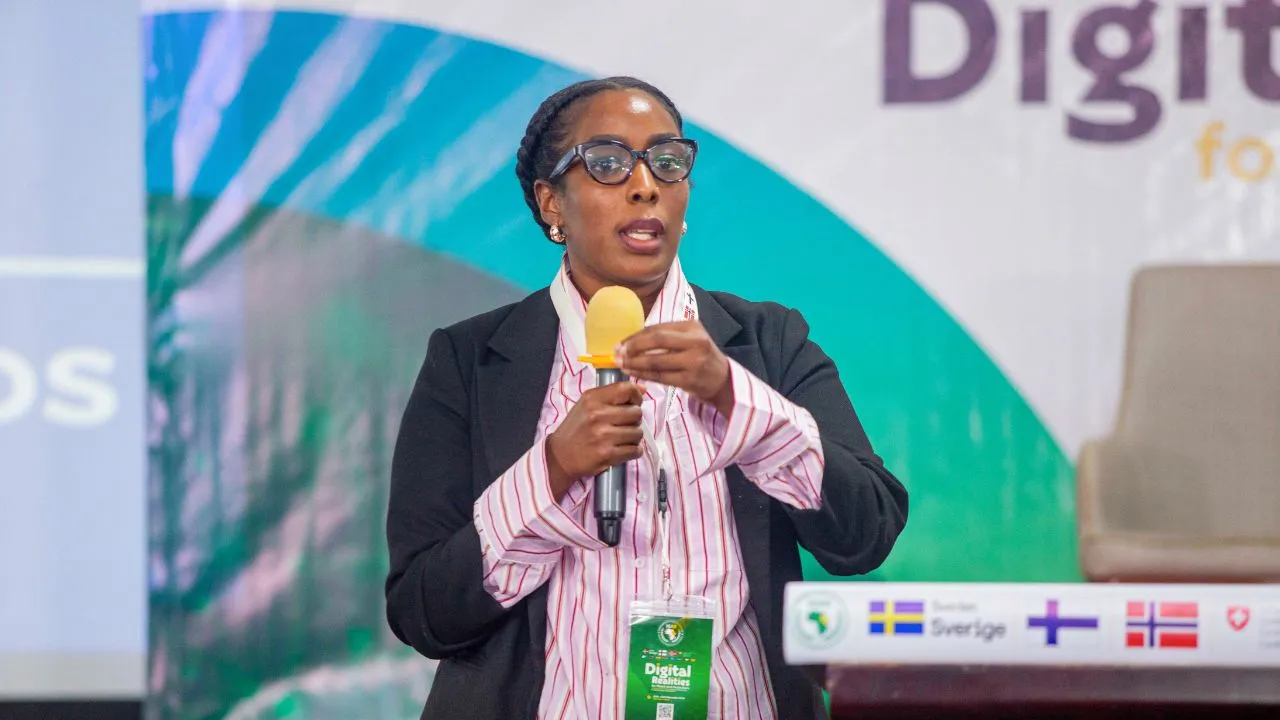
When I started this fellowship, I was still drafting my PhD proposal. Within three months, with guidance and comments from my fellowship mentor, Prof. Katharina Pistor, the Edwin B. Parker Professor of Comparative Law at Columbia Law School, and my University Supervisor, Prof. Magnus Killander, I defended it. I am now on chapter three, addressing comments and continuing to develop an article that grew out of the work I began during the fellowship. On paper, that is the headline: a proposal defended, a chapter taking shape, an article underway. But it is not the whole story of what this fellowship has given me.
What I want to highlight is something less visible on paper but just as consequential: the fellowship did not just support my academic work; it supported my ability to do it. As a Sudanese researcher whose country is at war, questions that colleagues elsewhere might take for granted, a valid passport, a visa, the right to simply be present in the country hosting my fieldwork, are not administrative footnotes. They are preconditions for doing the work at all.
The fellowship sponsored my trip to renew my passport at a time when this is neither simple nor guaranteed. It funded my Kenyan visa, enabling me to be based at the Nairobi Global Center and remain there legally while conducting my research. It also paid for a virtual research methods program that sharpened the methodological backbone of my doctoral work, and it funded my attendance at the PALU Annual Conference in Cairo in August 2026.
None of this shows up in a chapter word count. All of it is why the chapters were written at all.
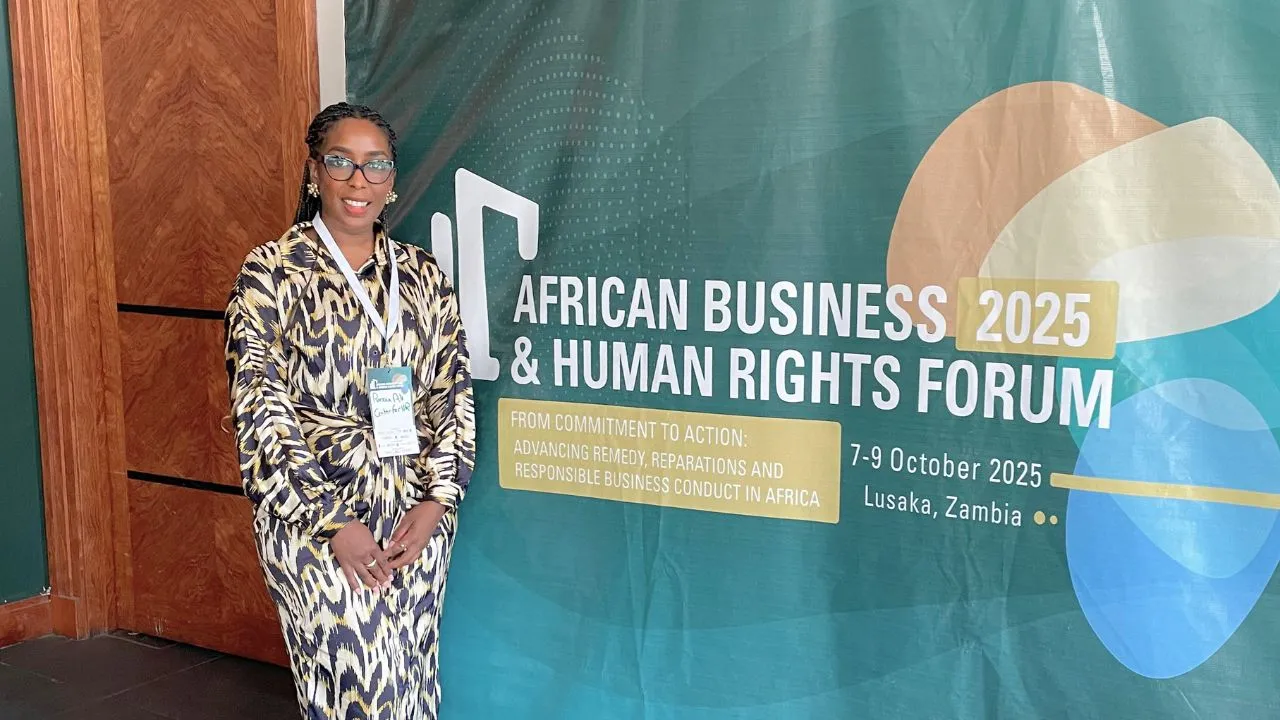
Over the course of the fellowship, that stability also translated into opportunities to learn, engage, and participate in spaces I might not otherwise have accessed. I traveled with IGAD to a women's sanctuary in Samburu and participated in the Business and Human Rights Forum in Lusaka. I joined Mahidol University's Global Classroom in Bangkok. In Nairobi, I met with Amnesty International Kenya's Country Director to discuss the human rights situation in Sudan and Kenya, and participated in a Rift Valley Institute workshop on conflict, fragility and pathways to peace, where I emphasized the need for corporate accountability in conflict.
I also lectured twice to master's students at the Center for Human Rights, speaking about starvation as a tool of war and corporate complicity in conflict. I had the opportunity to meet Justice Ben Kioko of the African Court on Human and Peoples' Rights and attend a session of the Pan-African Parliament, where I contributed comments on draft resolutions, observed discussions on human rights and justice, and met diplomats.
My writing has grown alongside these experiences. With Mai Aman, the Center’s 2026 fellow, I co-authored a chapter titled “Between Legal Guarantees and Political Constraints: An Appraisal of Public Participation in Sudan,” published in The State of Democracy in Africa in May 2026. I have continued writing for AfricLaw, including on drone warfare and international humanitarian law in Sudan, with a piece on Sudan's shadow extractive industries forthcoming. A manuscript on conflict-related sexual violence and the African Charter is currently under review at the Journal of African Law.
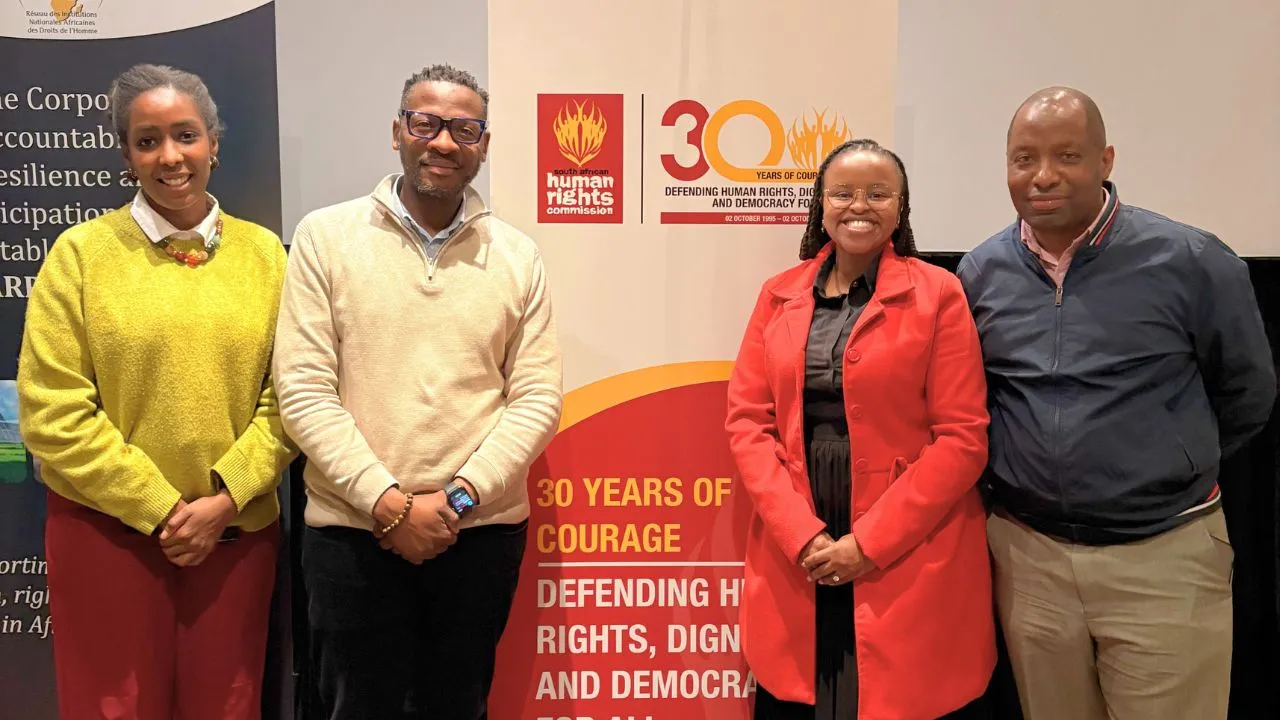
I was also featured as “Africa's Legal Millennial” by The PALM: Legal Mag®, and invited by the South African Human Rights Commission and NANHRI to present on protecting environmental human rights defenders. In August 2026, I presented on documenting conflict-related sexual violence at a two-day technical consultation in Cape Town convened by SIHA and the Center for Human Rights.
Some of the most valuable things I have taken from the fellowship, however, are harder to put on paper. I learned to pitch an idea in one minute and thirty seconds, which has strengthened how I contribute to panels and discussions. I learned to give and receive criticism more thoughtfully, including the simple but important habit of asking, “What do you need me to review?” before commenting on someone's work. This has made me a more thoughtful reader of my own students' work.
And then there are the quieter forms of support. Access to Columbia's library has become central to my research and reading. Grammarly, too, has become a constant part of my writing process.
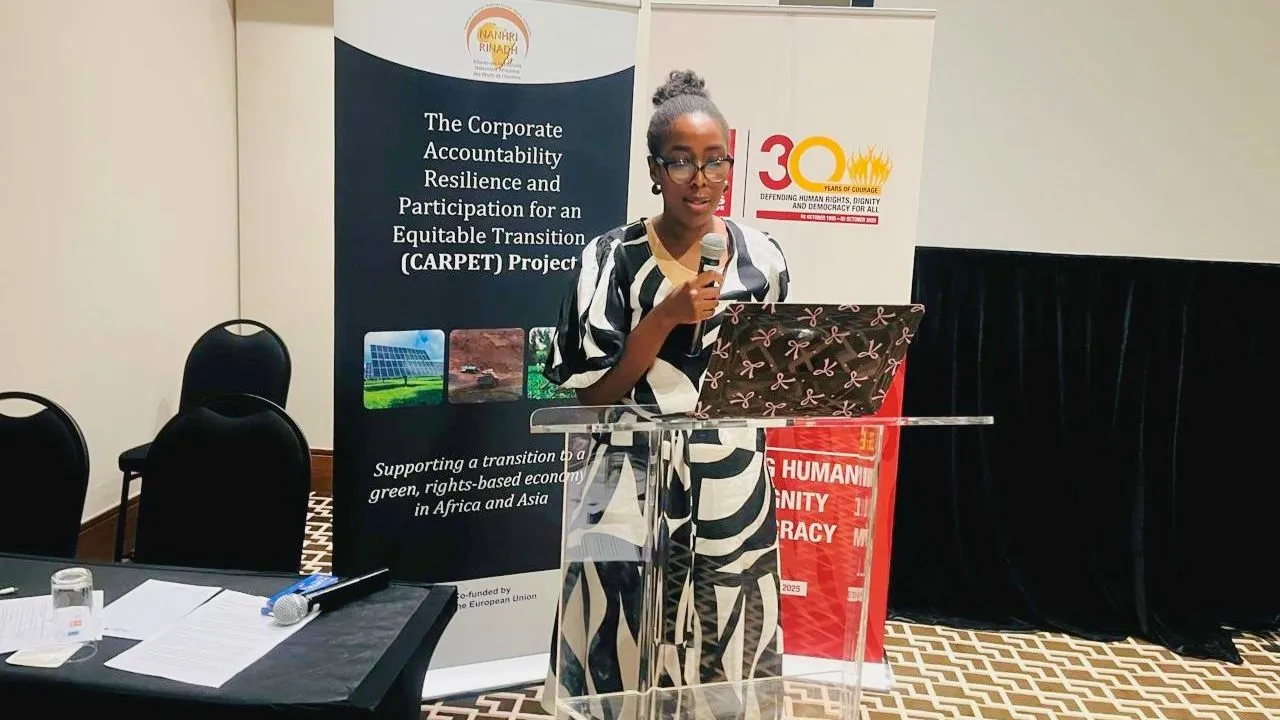
I started this fellowship with a proposal on paper. I am ending this stretch with a defended proposal, a chapter in progress, an article taking shape, published writing, a master's student I am helping to shape, and the passport and visa status that allow me to keep doing all of it.
The fellowship gave me the support and stability to keep showing up, in the room, in the archive and on the page.