Pioneering Women in Nursing: The Columbia-Trained Chileans Who Transformed Public Health
As we celebrate Women’s Month, we remember these pioneering women who contributed to reshape nursing in Chile and beyond.
Between the 1930s and the late 1950s, at least 13 Chilean nurses studied at Columbia University’s Teachers College, where they received advanced training in nursing education. Supported by organizations such as the American Association of University Women (AAUW) and the Rockefeller Foundation, these nurses benefited from scholarships and the guidance of international advisors, who introduced innovative curricula focused on preventive public health. This cross-cultural exchange transformed nursing in Chile from a hospital-based practice into a modern profession centered on community health and evidence-based care.
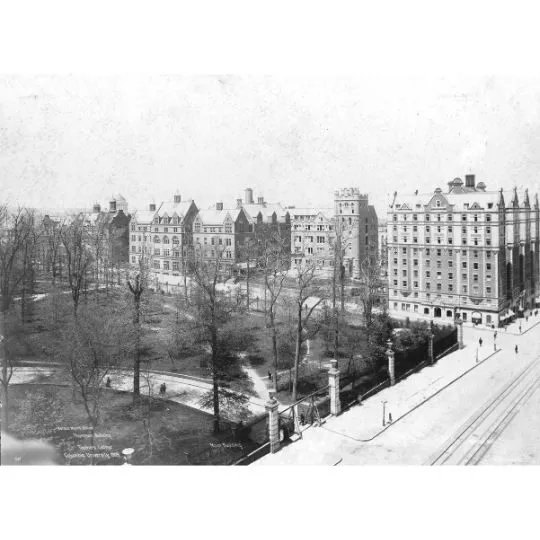
Teachers College, a leader in nursing education since 1899, naturally attracted Chilean students whose exposure to innovative methodologies helped establish nursing as a university-level discipline. Upon returning to Chile, these pioneers modernized the profession by influencing public health policies, reforming nursing education, and establishing dedicated nursing schools at Chilean universities, thereby elevating nursing from an auxiliary role to a respected field grounded in scientific knowledge and public health principles.
The Evolution of Nursing in Chile and U.S. Influence
Nursing in Chile took a major step toward professionalization in 1906 with the creation of the Escuela de Enfermeras del Estado, the first formal nursing school in South America. However, early nurses faced challenges, including low social recognition and unclear distinctions between nursing and domestic care.
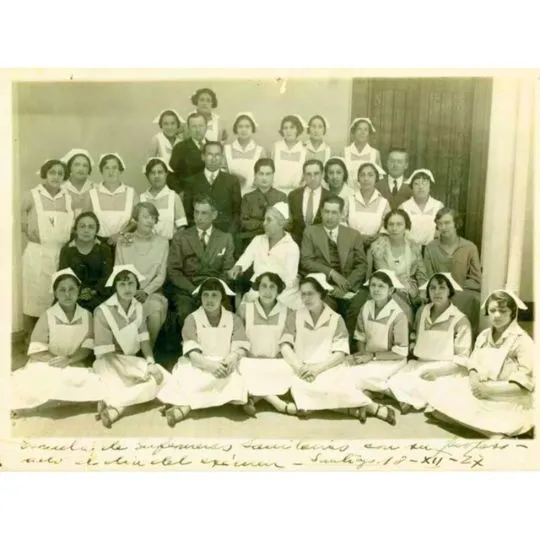
By the 1920s, the U.S. influence on Chilean healthcare expanded, particularly through partnerships with the Rockefeller Foundation. The Escuela de Enfermeras Sanitarias, founded in 1927, introduced a public health focus to nursing, a model that aligned with U.S. approaches. American-trained Chilean nurses brought back new methodologies, emphasizing disease prevention, community health, and hygiene education.
In the 1940s, a cooperation agreement between the Rockefeller Foundation and the Chilean government helped solidify the U.S. nursing model in Chile. Scholarships allowed Chilean nurses to study in the U.S. and Canada, while American nurses came to Chile to introduce modern training techniques. The establishment of Unidades Sanitarias (Health Units)—focused on maternal and infant care, sanitation, and disease prevention—further embedded these public health principles.
Educated at Columbia, Leading in Chile
Chilean nurses who pursued advanced studies at Columbia University transformed their profession. With expertise in education, hospital administration, and public health leadership, these trailblazers modernized nursing in Chile—elevating it from a hospital-centric practice to a discipline anchored in community health and evidence-based care. By the late 1950s, their efforts had positioned Chilean nursing education as a regional benchmark, influencing curricula across Latin America. Their enduring legacy is evident in the integration of public health into nursing education, the professionalization of the field, and the expanded role of nurses as key healthcare providers.
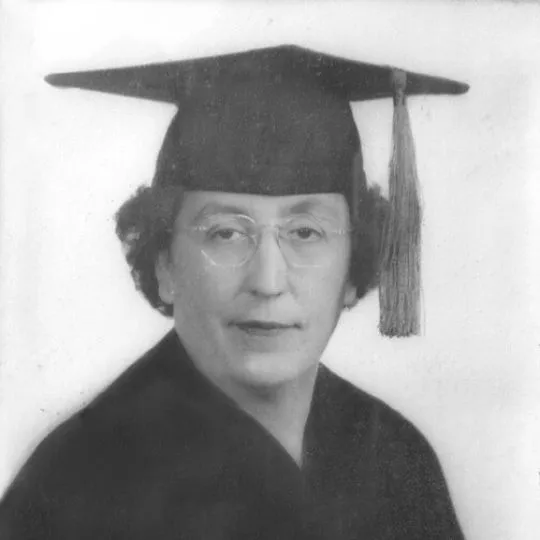
Sofía Pincheira (TC ’29-30)
A trailblazer in Chilean nursing, Sofía Pincheira played a pivotal role in shaping Chile’s nursing education under U.S. influence. She graduated in 1927 from the first cohort of the Escuela de Enfermeras Sanitarias, Chile’s pioneering public health nursing school. Originally a medical student Universidad de Chile, she transitioned to nursing, recognizing its potential to transform public health.
In 1929, she became the first Chilean nurse awarded a scholarship by the American Association of University Women (AAUW) to pursue further studies in the United States. She enrolled at Columbia’s Teachers College and later at the Yale School of Nursing, earning a Bachelor of Nursing in 1932. These institutions’ emphasis on public health nursing—a relatively new concept in Latin America—was instrumental in shaping her career.
Her time in the U.S. reinforced her belief in the need for greater professionalization of Chilean nursing. She admired the rigorous academic standards required for American nursing students, who had to complete secondary education and, in many cases, four additional years of college before specializing in nursing. She also noted the advanced training of nursing faculty, which was rare in Chile at the time. American nurses were expected to fulfill responsibilities not only in patient care but also in public health initiatives and medical institutions.
Upon returning to Chile in 1933, Pincheira was appointed Technical Deputy Director of Universidad de Chile’s Nursing School. She later worked in Bolivia, where she helped establish the country’s first nursing school. Returning to Chile in 1943, she collaborated with the National Health Service and the Rockefeller Foundation to develop Chile’s first Unidades Sanitarias—public health centers focused on disease prevention and maternal and child health. She also created training programs for public health nurses, extending this model to several regions. In 1934 she wrote: “I felt a moral obligation upon returning to my country after studying public hygiene and related nursing professions at Columbia and Yale. These studies equipped me to pursue the altruistic goal of dignifying women's work in the preventive and curative fields by all means available to me.”
Pincheira continued expanding her expertise through further international training during the 1940s at the Universities of Toronto and Minnesota. She went on to advise the Brazilian government in 1953 and became the first president of the Chilean Nurses Association. Between 1955 and 1964, she worked as a nursing consultant for the Pan-American Sanitary Office (now part of WHO), contributing to public health projects across the Dominican Republic, Panama, and Central America.
Pincheira’s legacy extends beyond her leadership roles. She authored Chile’s first Code of Ethics for Nurses, approved in 1983 and later adopted by the Pan American Federation of Nursing Professionals. Through her work, she helped redefine nursing as a scientific, evidence-based discipline, elevating its status within Chilean healthcare.
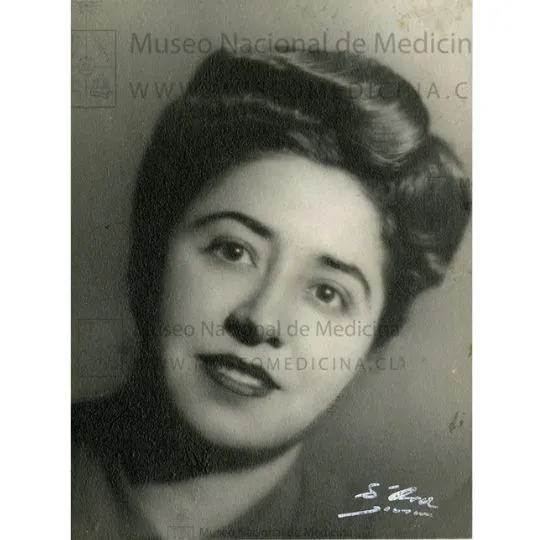
Rosalba Flores (TC ’51-52)
Rosalba Flores played a key role in advancing nursing education and professional organization in Chile. As president of the Chilean Nurses Association, she championed reforms in the administration and curriculum of Chilean nursing schools, ensuring better integration of theoretical and practical training.
Her efforts focused on merging academic knowledge with real-world application, particularly in community health education. She led initiatives to train families in disease prevention and hygiene, helping to improve public health at the grassroots level.
In 1965, Flores published one of the first historical studies on nursing in Chile, emphasizing the impact of international training programs in elevating professional standards. Her leadership helped modernize Chilean nursing education, aligning it with global best practices and positioning the country as a regional leader in nursing education.
Iris Monardez (TC ’52-53)
A prominent academic and nursing advocate, Iris Monardez held key leadership roles in Chile’s nursing education system. She served as Director of Universidad de Valparaíso’s School of Nursing, where she taught nursing administration, the social foundations of nursing, and the history of nursing. Monardez was also deeply involved in Chile’s university reform movement in the late 1960s.
Additionally, to her role as educator, during the 1950s was a contributor in the publications of the Pan American Health Organization (PAHO), where she wrote about the administration of nursing schools, the selection of students, among other topics. On the international stage, she joined the International Council of Nurses in Geneva and served as a WHO nursing advisor, leading public health projects in Venezuela.
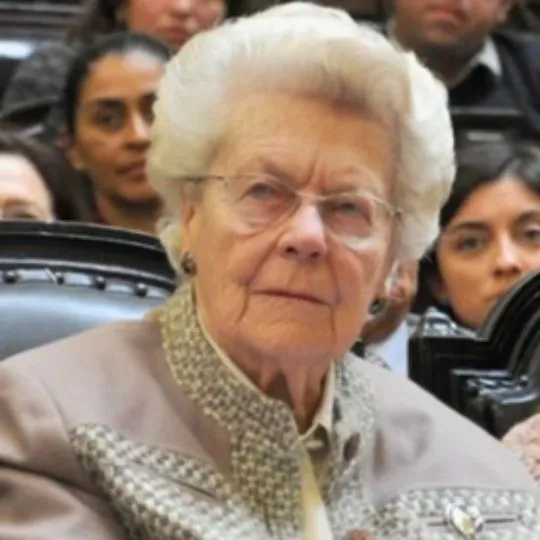
Doris Krebs (TC ’57-59)
One of the first Chilean nurses to earn a PhD, Doris Krebs was a pioneer in nursing research and education. In 1959, she founded the Centro de Experimentación en Enfermería (Center for Nursing Experimentation), a joint initiative between Chile, WHO, and UNICEF, designed to improve nursing services and methodologies.
Her research, including the landmark 1965 study "Recursos y necesidades de enfermería en Chile" (Resources and Needs of Nursing in Chile), influenced public health policies and workforce planning in Chile.
Krebs also served as an advisor to WHO and the Pan American Health Organization, held leadership roles in the International Council of Nurses, and contributed to the Swiss Nurses Association.
A Legacy of Transformation
Historical records from the Teachers College archive show that several other Chilean nurses pursued studies there during the 40’s and 50’s. Among them were Teresa Salas Mendoza, Gabriela Olivera, Celia Muñoz, Elizabeth Sepúlveda, Ángela Llagosterra, Isidora Simón, Nelly Acevedo, Elsa Heras and Helga Hermosilla, all of whom studied at TC between 1950 and 1959.
The influence of Columbia’s Teachers College on Chilean nursing during the 20th century was profound. The training these women received equipped them with the skills and vision to transform nursing into a scientific discipline and a key component of public health.
Their efforts not only professionalized nursing in Chile but also helped modernize nursing education across Latin America. Many went on to advise international organizations, ensuring their impact extended through national borders. As we celebrate Women’s Month, we remember these pioneering women, whose commitment to education, healthcare, and professional advocacy reshaped nursing in Chile and beyond.
Image Carousel with 5 slides
A carousel is a rotating set of images. Use the previous and next buttons to change the displayed slide
-
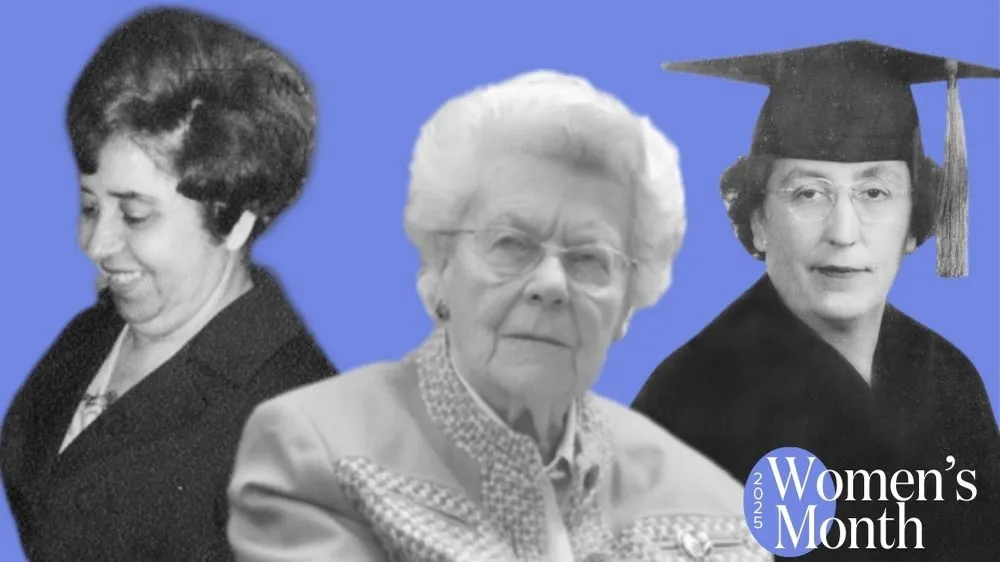
Slide 1: Sofía Pincheira
-
Slide 2: Rosalba Flores
-
Slide 3: Doris Krebs in 2012. She passed away in 2013.
-
Slide 4: First cohort of graduates from the Escuela de Enfermeras Sanitarias de Chile (1927). Sofía Pincheira is seen on the second row (first one from left to right).
-
Slide 5: Teachers College campus (1909)