From One-Way Learning to Mutual Exchange: New Trends in China-U.S. Philanthropy
Columbia Global Beijing Center and the China Global Philanthropy Institute co-hosted a seminar in Beijing exploring the latest trends and future directions of China-U.S. philanthropy.
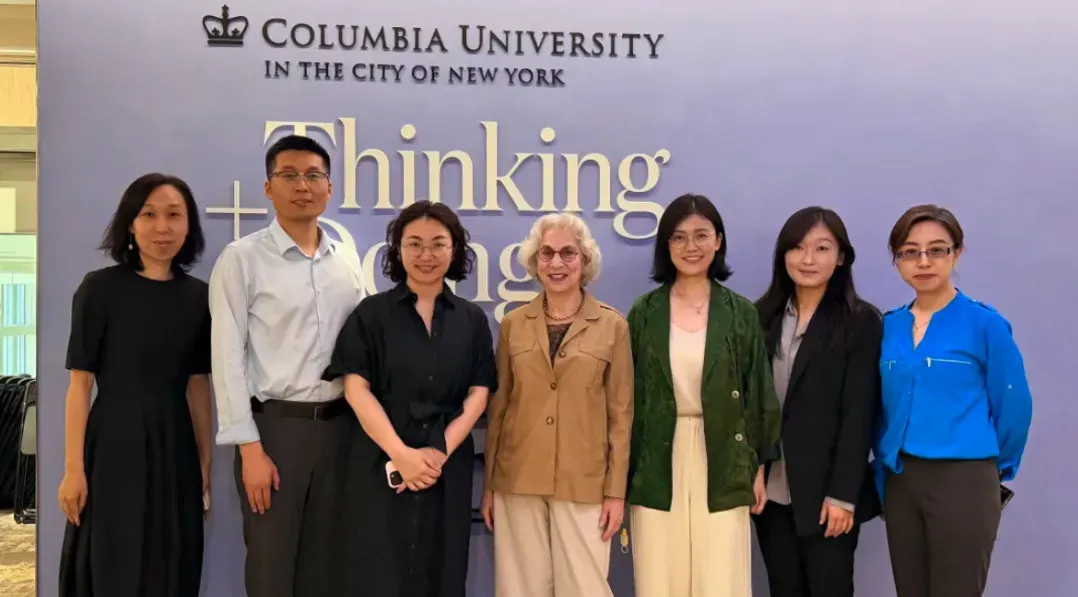
On May 29, 2026, Columbia Global Beijing Center and the China Global Philanthropy Institute co-hosted a seminar in Beijing exploring the latest trends and future directions of China-U.S. philanthropy. The event brought together scholars, foundation leaders, and philanthropy practitioners to discuss how charitable models are evolving in both countries and how cross-border exchange can contribute to addressing shared challenges.
The program reflected Columbia Global Beijing Center’s role in fostering international dialogue and connecting Columbia’s global perspectives with local expertise. By bringing together representatives from the academic, philanthropic, and social sectors, the Center created a space for participants to exchange ideas and explore new approaches to philanthropy.
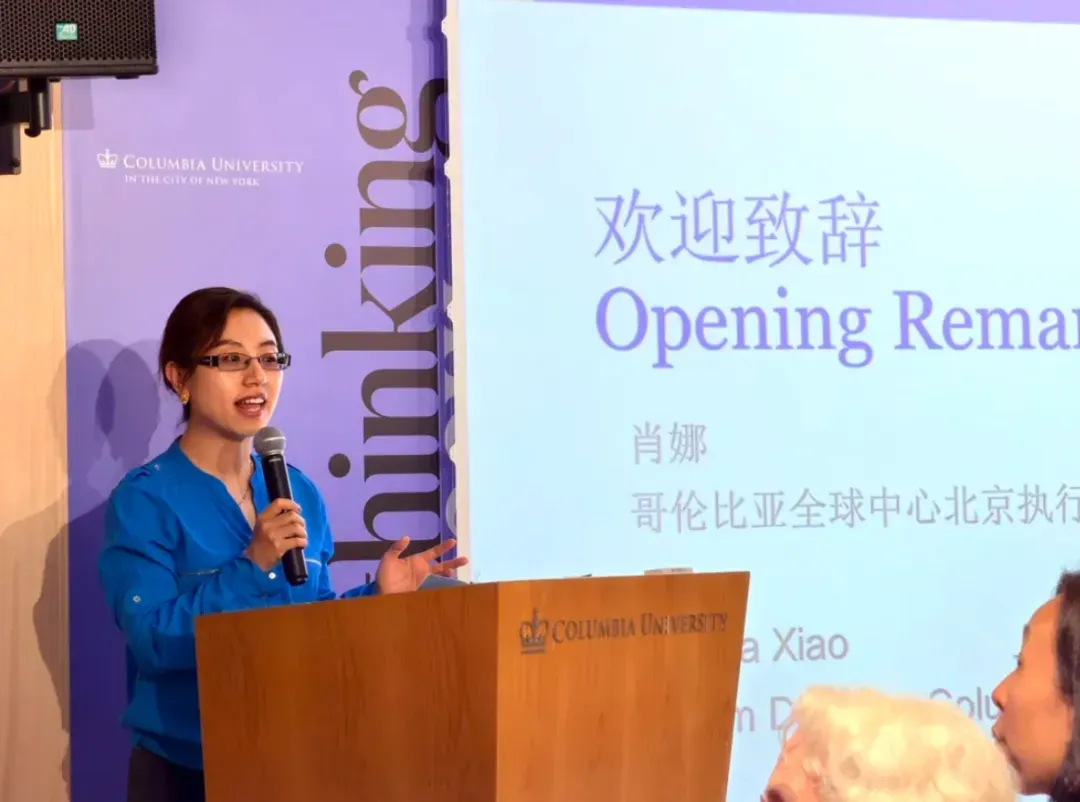
In her opening remarks, Helena Xiao, Interim Director of Columbia Global Beijing Center, highlighted the importance of sharing China’s development experience with the global community. She introduced the Richard Rockefeller Fellowship, launched by Columbia Global in 2025, which supports emerging leaders working on climate action and sustainable development. Through the fellowship, the Center aims to strengthen connections between knowledge, practice, and global conversations on climate and social impact.
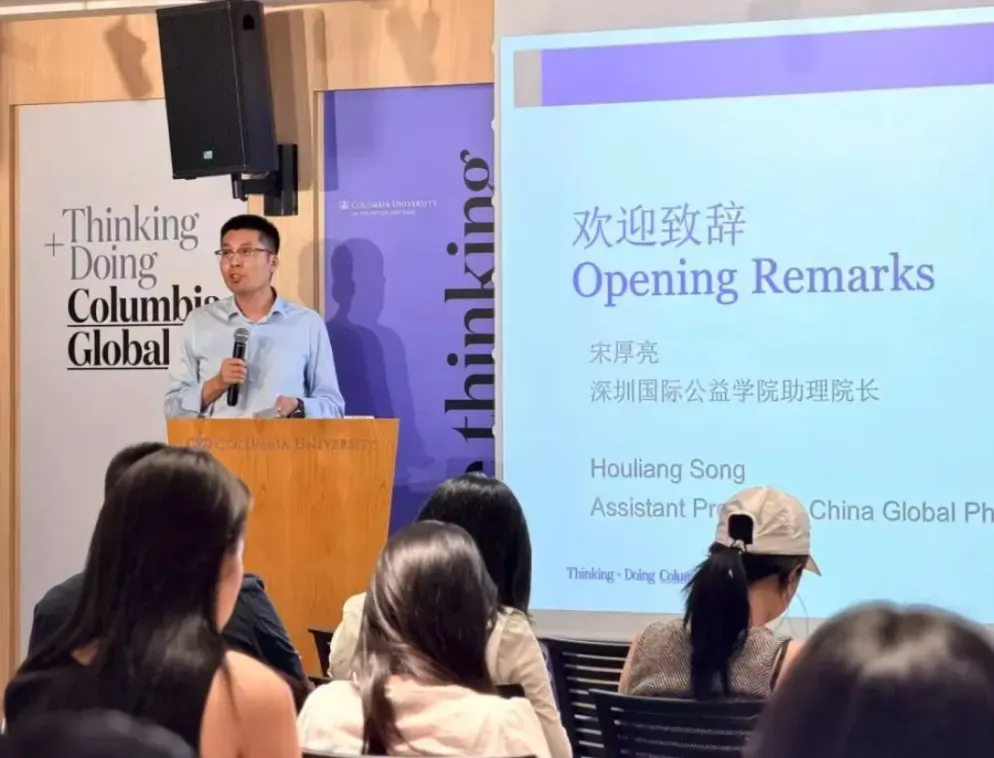
Song Houliang, Assistant Dean of the China Global Philanthropy Institute, reviewed the development of China’s engagement with global philanthropy. He identified three stages: the introduction of international experience in the 1980s, learning from global models in the early 2000s, and the current stage of mutual exchange and collaboration. He emphasized that philanthropy provides an important pathway for dialogue between societies.
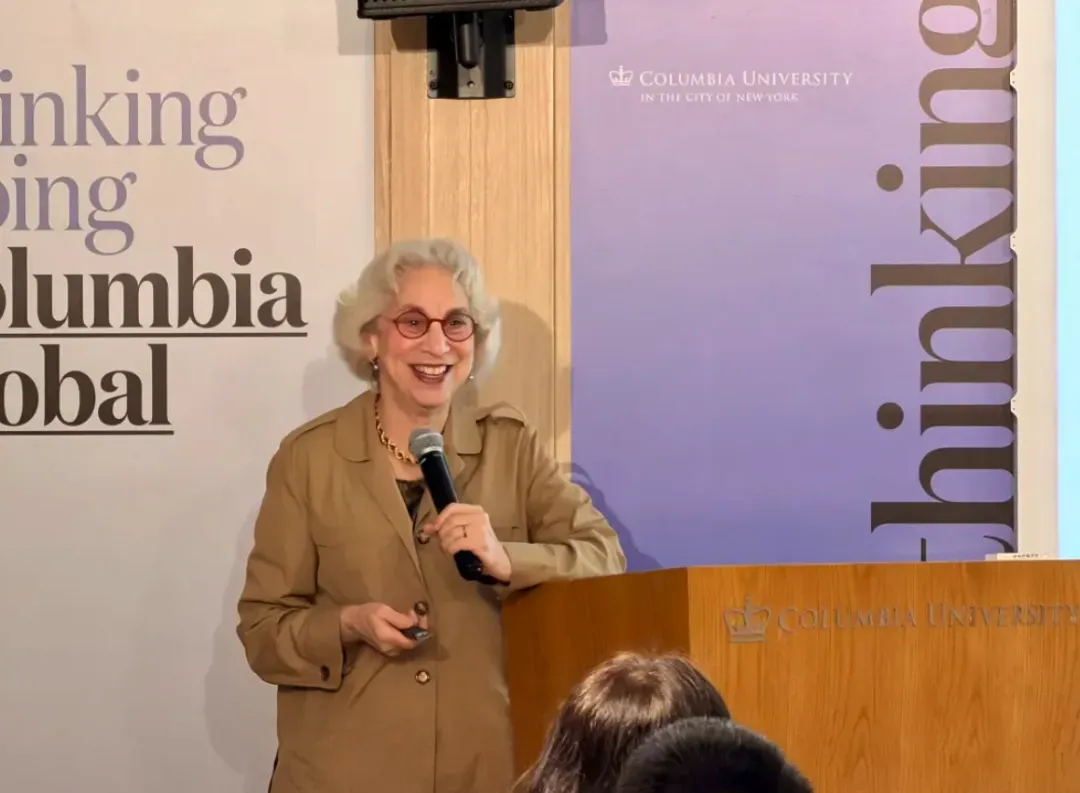
The keynote speaker, Melissa Berman, former President and CEO of Rockefeller Philanthropy Advisors, examined current trends in U.S. philanthropy. She noted that charitable giving in the United States reached nearly 600 billion dollars in 2024, while the sector continues to face challenges related to public trust, social division, and changing policy environments. She also highlighted opportunities for future development, including collaborative funding models and stronger support for philanthropic capacity building.
During the roundtable discussion, participants explored the transformation of philanthropy in China. Hao Ruixi, Senior Program Officer at the Gates Foundation and Director of the Board at the China Global Philanthropy Institute, highlighted three major trends: greater corporate engagement through technology and innovation, the growth of digital philanthropy, and the development of community-based initiatives. She shared the example of a joint philanthropic fund supporting early childhood development, which brings together multiple foundations to advance long-term social impact.
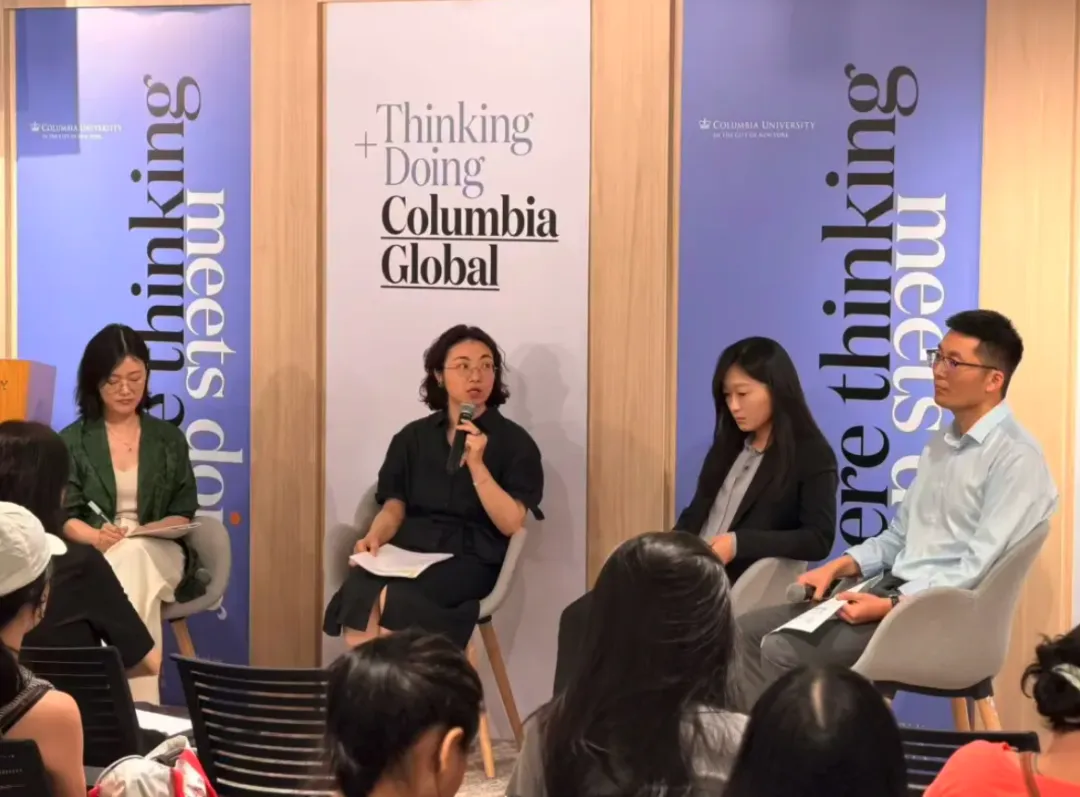
Jiang Anqi, Chief Representative of the Centre for Asian Philanthropy and Society in Greater China, discussed how companies are increasingly integrating social value into their business strategies. She noted that many forms of corporate contribution are no longer limited to traditional donations, while emphasizing the importance of transparency and professional capacity in rebuilding public trust.
The discussion also examined new opportunities for China-U.S. philanthropic cooperation. Participants noted that areas such as climate change, artificial intelligence for social good, and public health continue to create opportunities for collaboration. China’s experiences in fields such as environmental protection and community development are increasingly contributing to broader regional conversations.
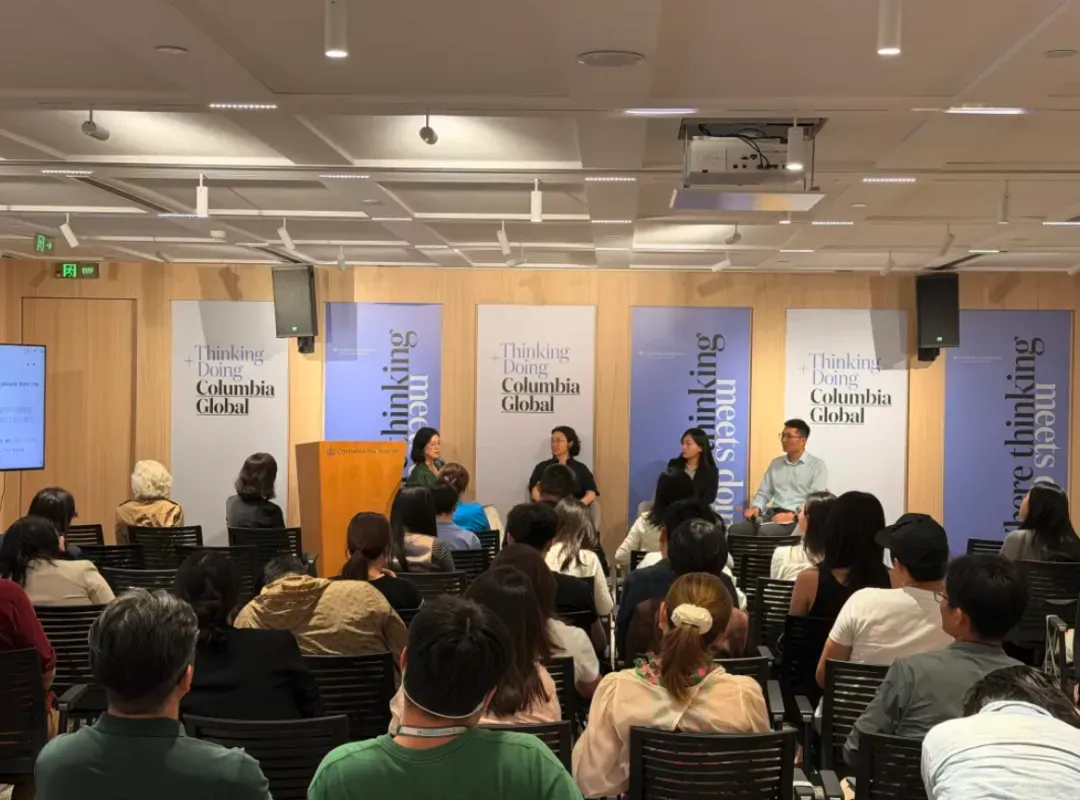
The seminar highlighted a shared understanding that philanthropic exchange between China and the United States is moving toward a more balanced model of mutual learning. While both countries face different challenges, they share common questions about trust, effectiveness, and how philanthropy can better support social progress.
Through this dialogue, Columbia Global Beijing further demonstrated its capacity to convene international conversations on issues of global importance. The event provided a platform for different communities to exchange perspectives and contributed to a deeper understanding of the evolving role of philanthropy in addressing contemporary challenges.