Columbia Students Explore Imperial Art and Architecture in Beijing, Engage Local Scholars
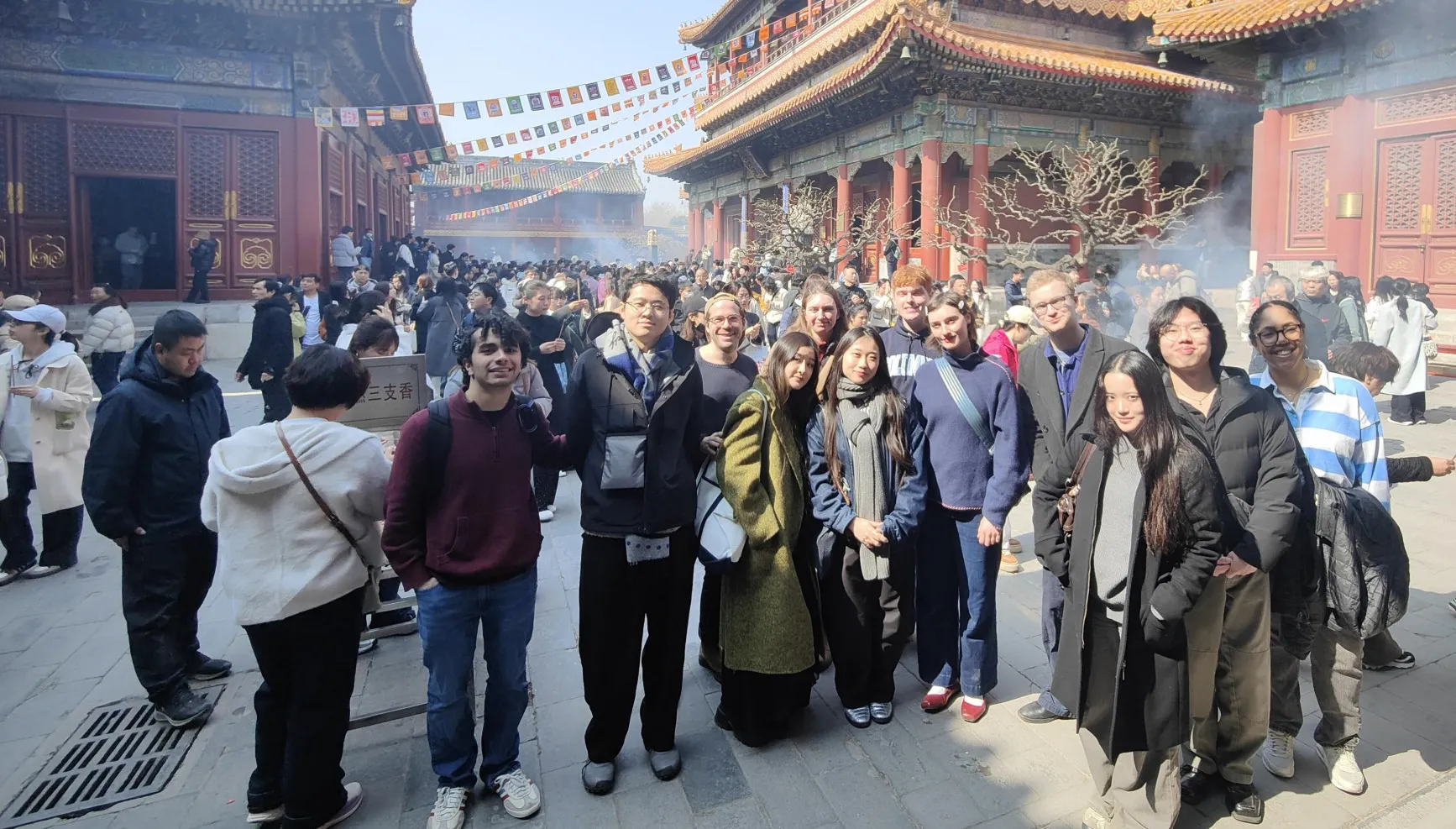
In mid-March, 12 Columbia University students traveled to Beijing, China for a nine-day field study on imperial art and architecture. Supported by the Riggio Program Fund at the Department of Art History and Archaeology, the program took 9 undergraduate students and 3 doctoral students out of the classroom to study historic structures up close. Jin Xu, the Jane and Leopold Swergold Associate Professor of Chinese Art History, led the trip.
Notably, this inaugural China Art History field-based program was directly shaped by the Faculty Lead, Xu Jin’s earlier residency at the Columbia Global Beijing Center in April–May 2025. During this residency, he undertook extensive field-based exploration across Beijing and its surrounding regions, systematically mapping key sites of art historical significance, including imperial palaces, classical gardens, religious temples, and associated cultural landscapes. This on-the-ground engagement provided not only empirical grounding for the course content, but also enabled a deliberate pedagogical reframing of Chinese art history as a spatially and materially situated field of study.
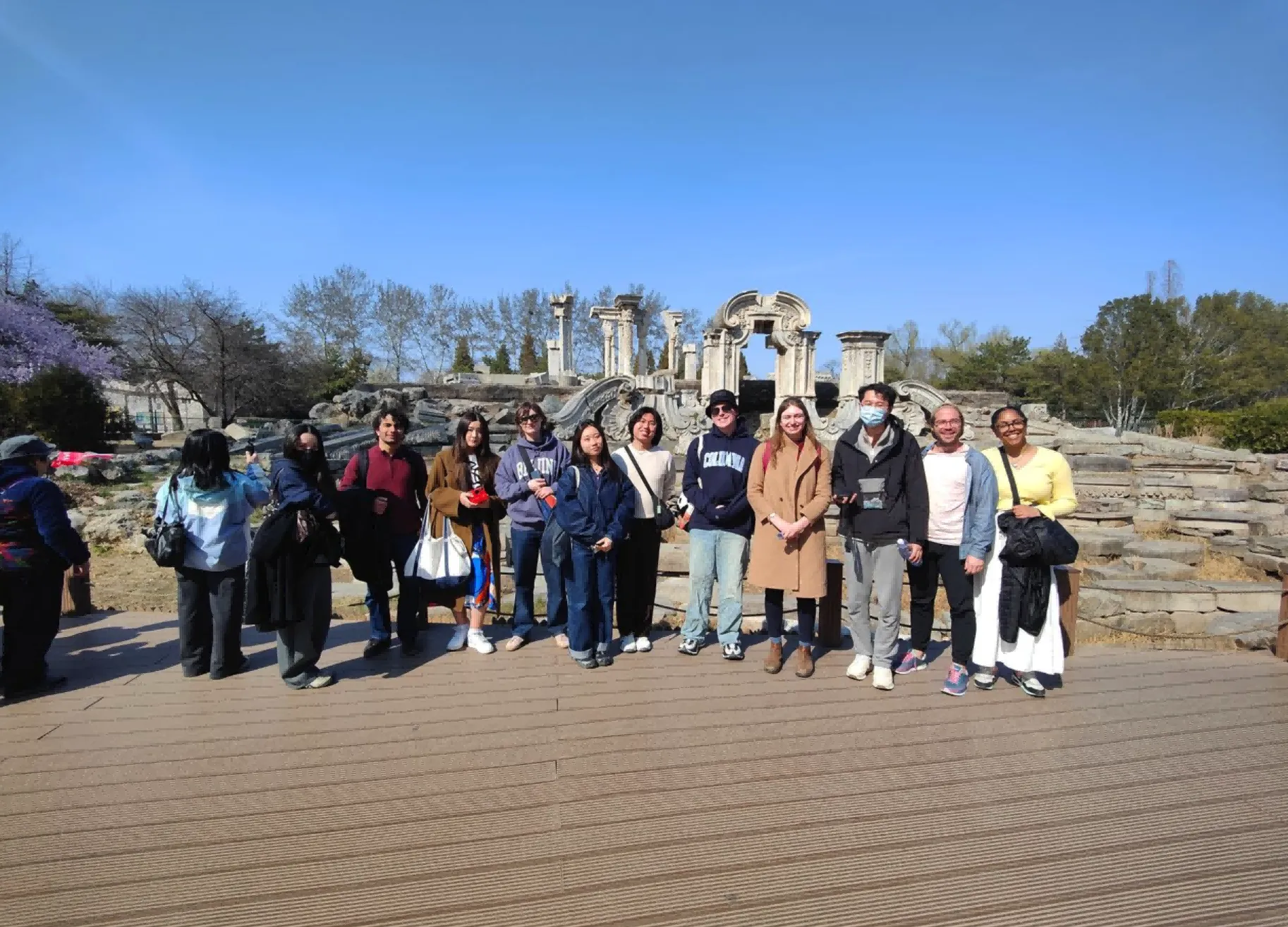
Building on this foundation, the program that later convened in Beijing in March 2026 represents a continuation and institutionalization of this earlier exploratory phase. The group explored over 20 locations across the region, including palace complexes, ritual altars, gardens, and sections of the Great Wall. Instead of standard guided tours, the program relied on peer teaching. Everyone prepared research in advance and took turns leading the group at different sites to discuss the local history and design.
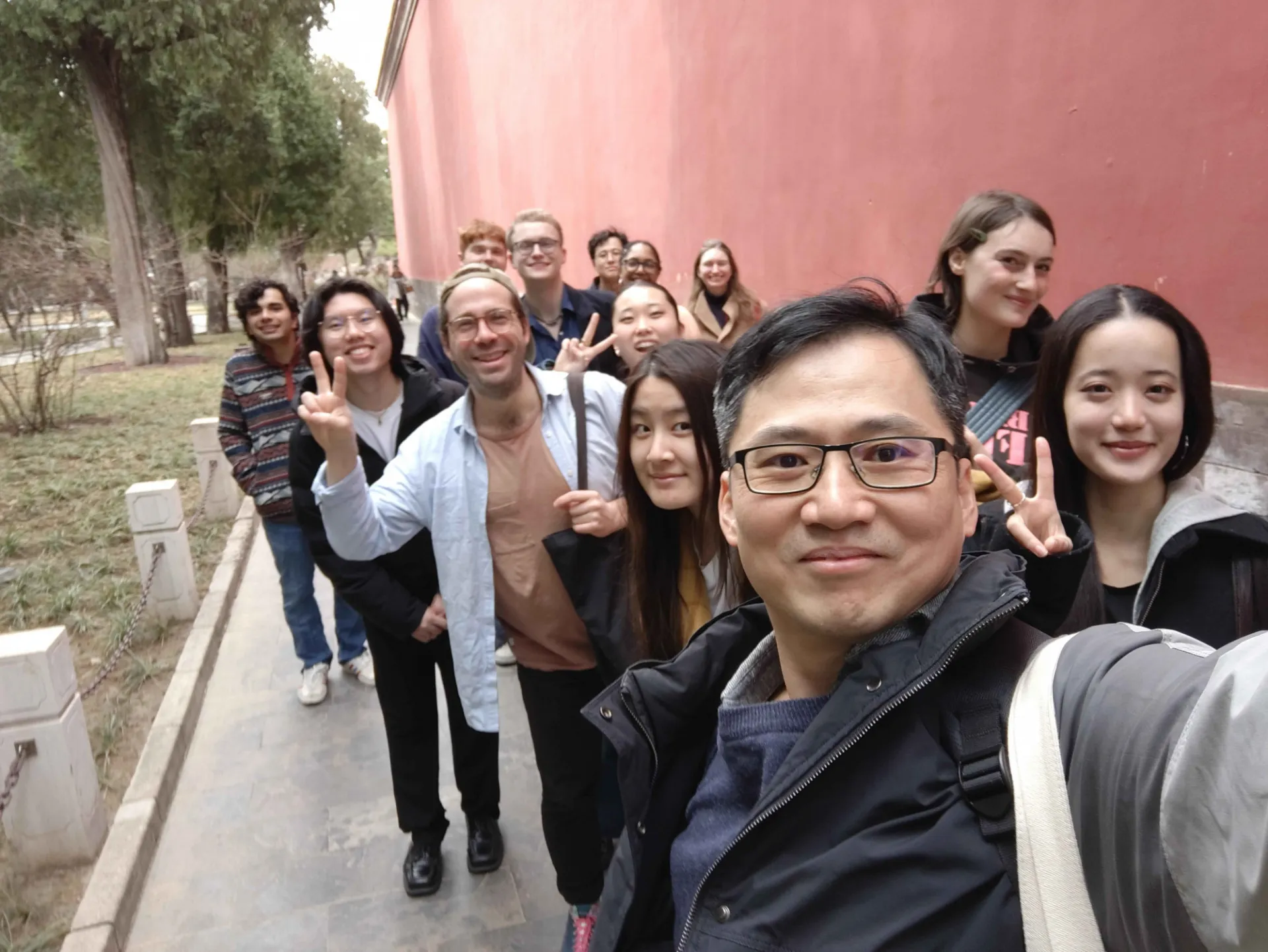
The course focused heavily on the Qianlong Emperor and Empress Dowager Cixi, two rulers who drastically changed Beijing's landscape. By visiting these specific sites, students saw firsthand how architecture functioned as a form of imperial control by organizing daily rituals, enforcing social ranks, and projecting absolute power.
The Beijing Global Center played a pivotal enabling role throughout this process. Beyond providing a physical base for residency and programming, the Center functioned not merely as a logistical focal point, but as an intellectual and cultural intermediary which created a space where academic content is grounded in local cultural context.
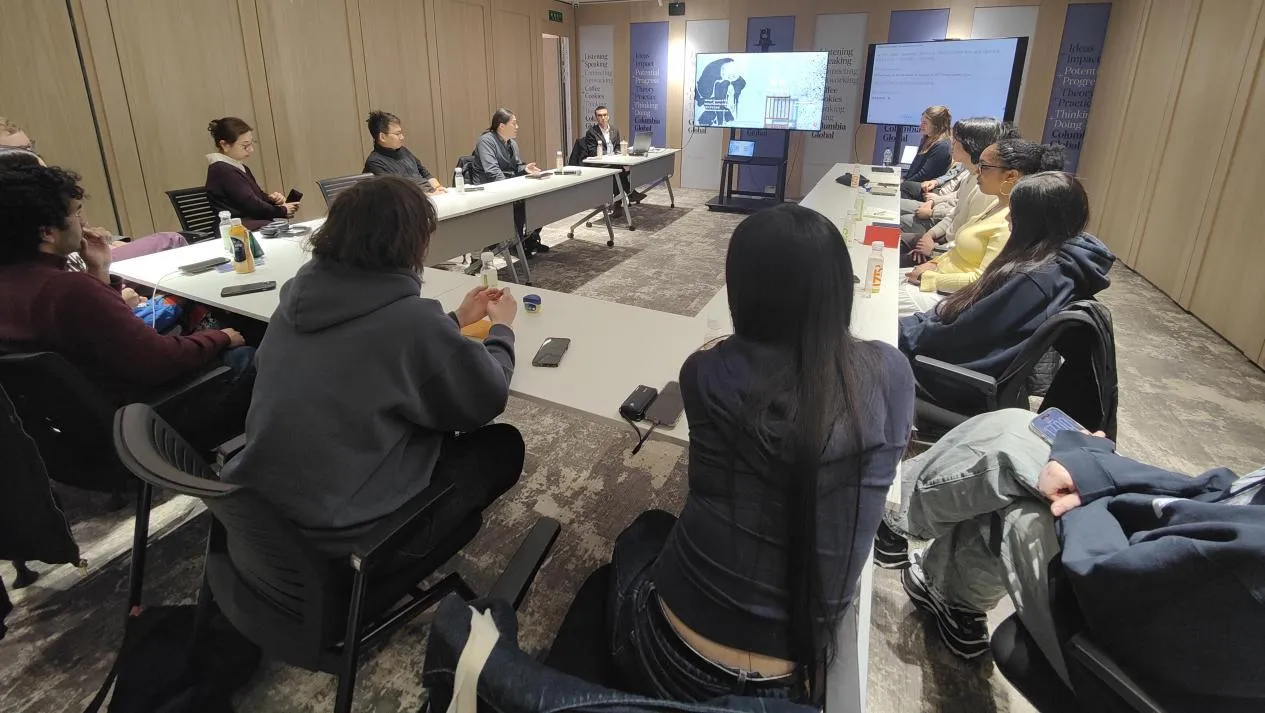
Students were invited to explore an alternative lens for understanding how Chinese culture conveys inner emotion, philosophy, and aesthetic values. The Beijing Center also created opportunities for direct engagement with local scholars and practitioners, who shared their expertise and perspectives in small-group settings. These interactions gave Columbia students the chance to ask questions, test ideas, and begin building academic and professional connections in China.
In this way, the Center enabled the Faculty Lead’s initial fieldwork and network-building, supported the integration of local expertise into course design, and ultimately facilitated the creation of a learning environment. The resulting program reflects a sustained process of co-production between faculty-led academic vision and the Center’s capacity to mobilize local knowledge infrastructures, culminating in a field-based educational model that meaningfully connects Columbia students with China’s art historical landscapes and intellectual communities.
Detailed schedule
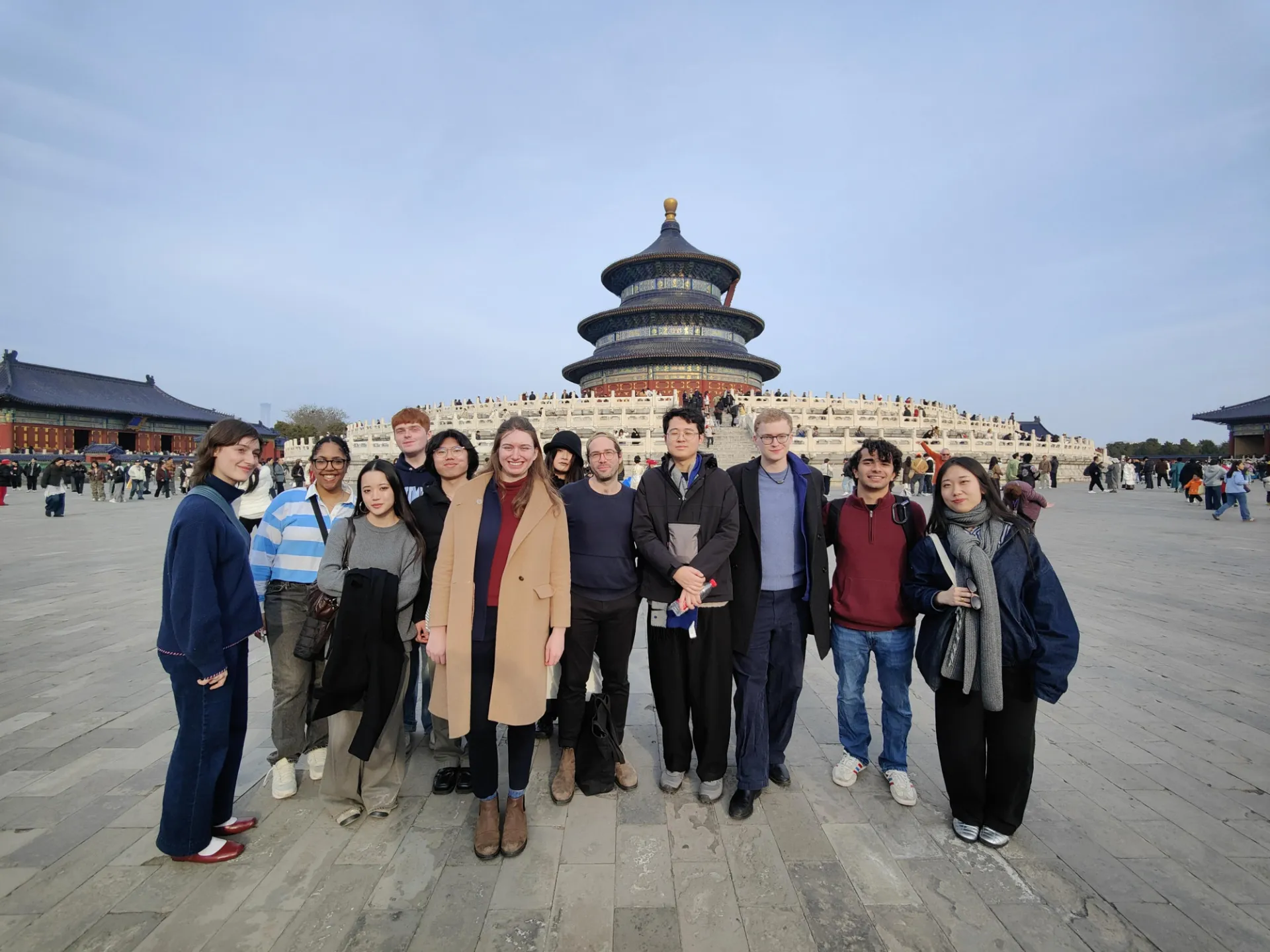
The first two days focused on religious and ceremonial spaces in the city. The Temple of Heaven and the Lama Temple showed how builders used strict geometry and symbolic shapes to highlight the emperor’s role as a link between heaven and earth. The group also visited the older Zhihua Temple, the Ancient Observatory, and the Ming City Wall ruins to see how defense and early science fit into the city planning.
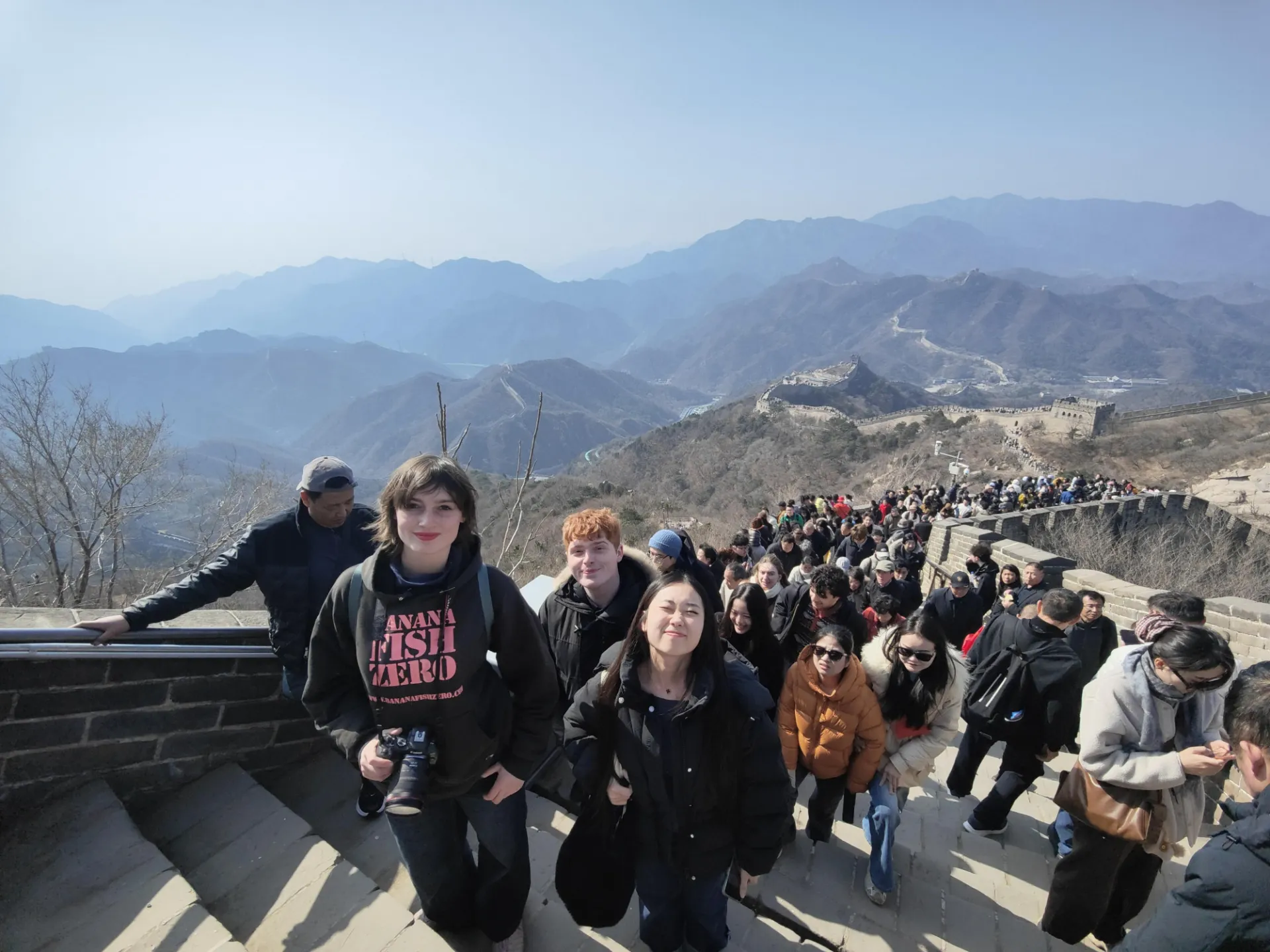
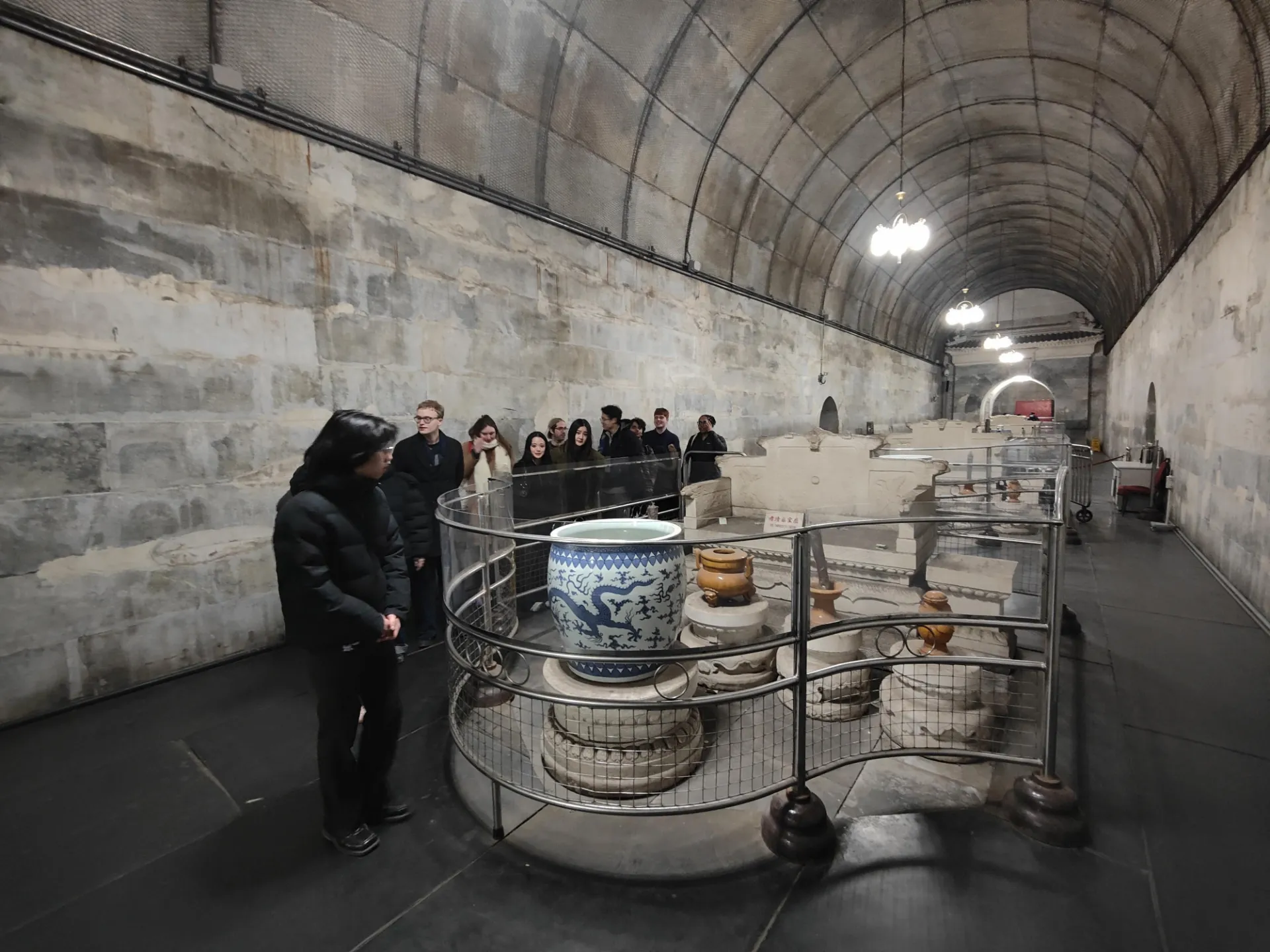
At the Badaling Great Wall and the Ming Tombs, the students observed how rulers extended their authority into nature. The architecture blended with the mountains and pathways, following traditional beliefs to show dominance over the physical land.
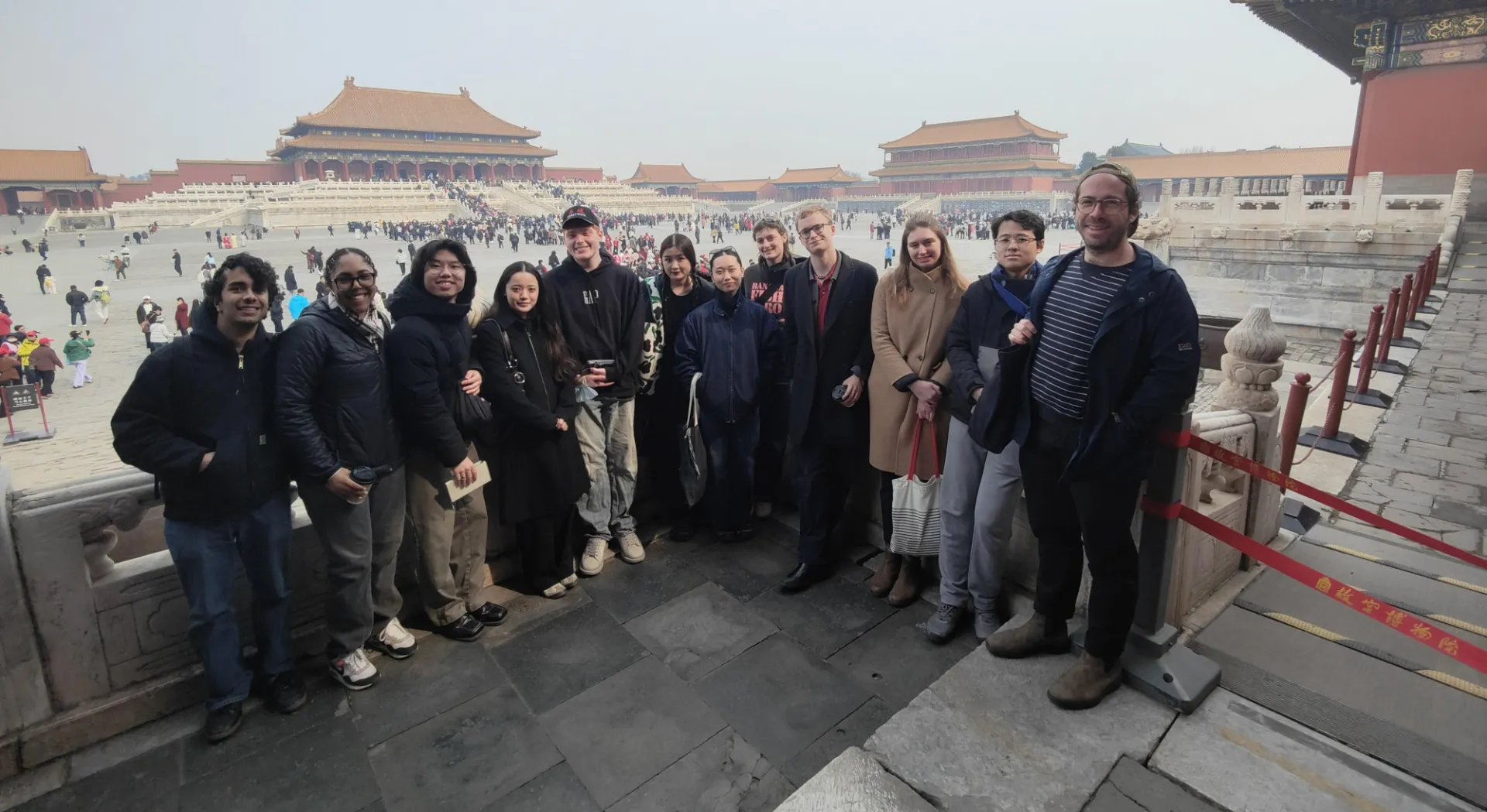
The Forbidden City offered the clearest look at imperial hierarchy. Its symmetrical layout and layered courtyards were designed to control movement and display immense power. Viewing the complex from above at Jingshan Park made this dominance even more obvious. Nearby, Beihai Park offered a different perspective by mixing political symbols with a relaxing environment and Tibetan Buddhist designs.
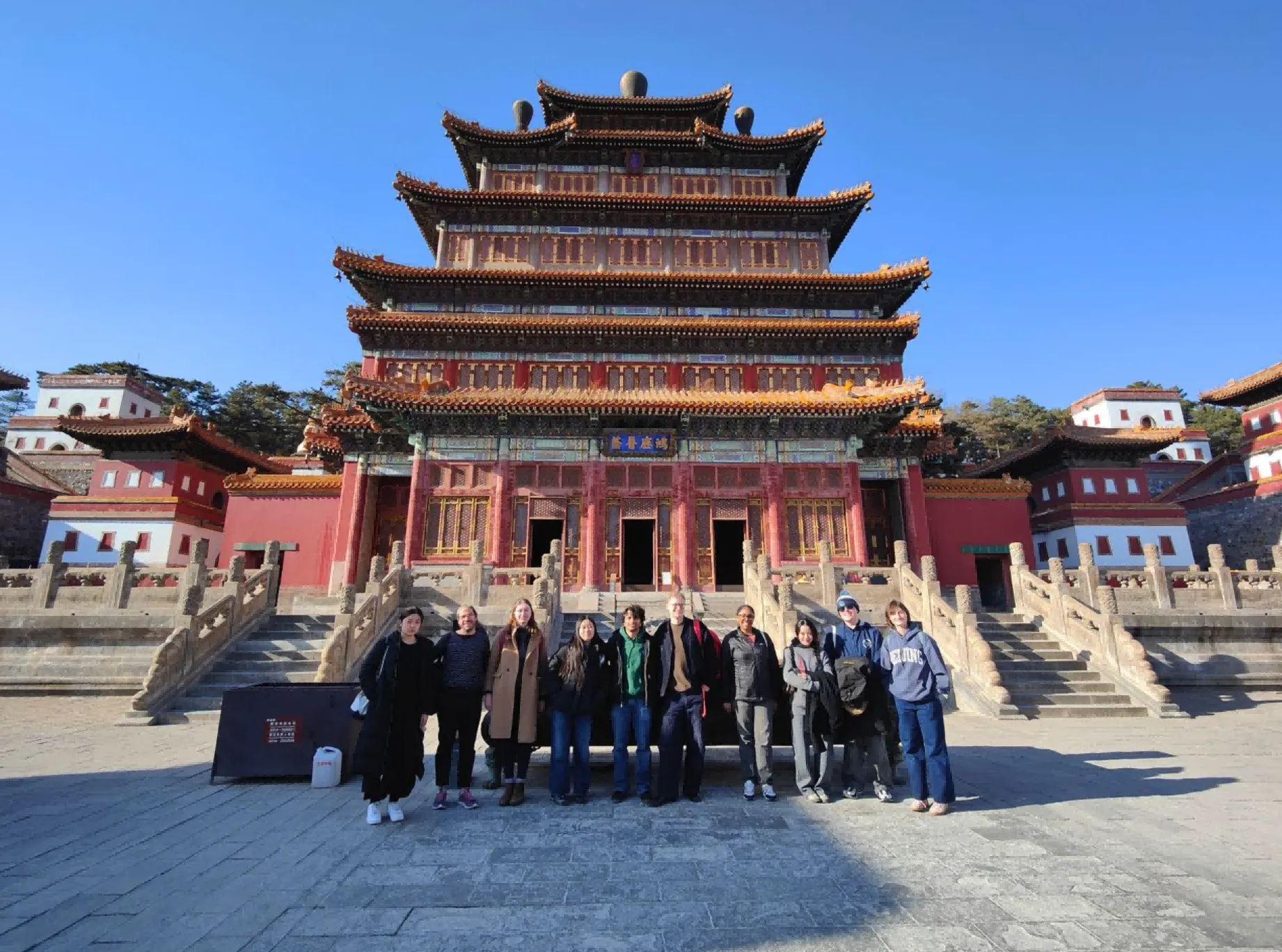
Traveling to Chengde showed how Beijing’s influence spread beyond the capital. Sites like the Little Potala Palace adapted Tibetan building styles for the Qing dynasty. This reflected the diverse makeup of the empire and the Qianlong Emperor’s strategy of uniting different cultures through architecture.
At the Summer Palace and Old Summer Palace, the focus shifted to landscape design. Under Empress Dowager Cixi, the Summer Palace turned natural scenery into a lavish display of wealth and recreation. Conversely, the ruins of the Old Summer Palace served as a harsh reminder of how fragile that power could be following its destruction by foreign forces.
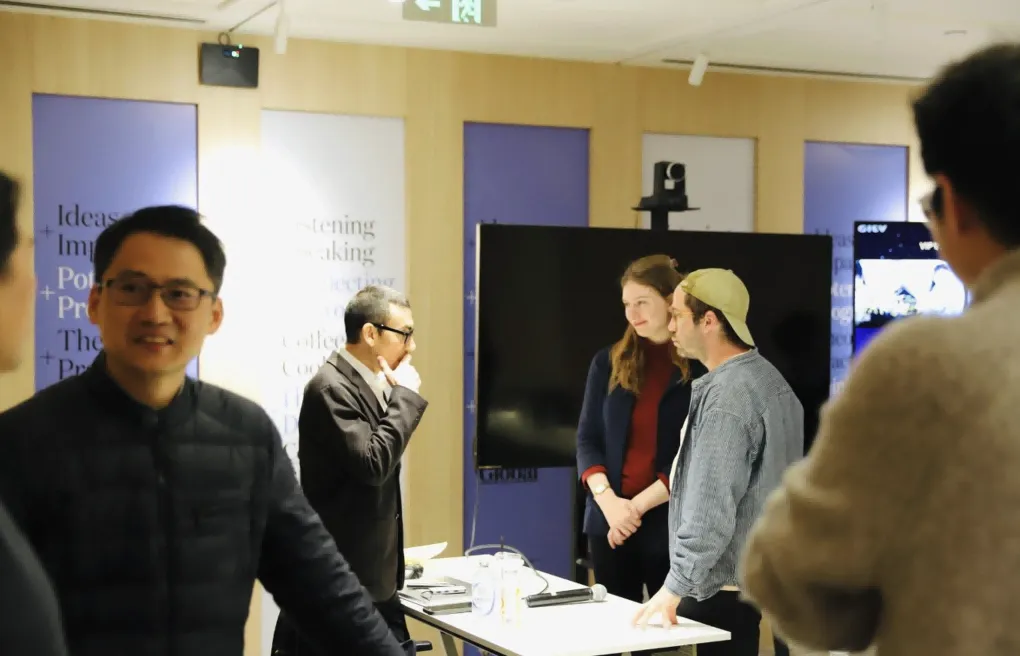
The field study wrapped up with a special lecture at the Columbia Global Center Beijing featuring Michael Cavayero, an assistant professor at Peking University. He gave a detailed presentation on the history and technique of xieyi painting. Because this style relies on quick, spontaneous strokes to capture a subject's spirit rather than its exact physical form, the talk helped students understand how Chinese artistic tradition balances strict imperial order with personal creative freedom.
The session also introduced students to Columbia’s broader global learning ecosystem, including initiatives such as the Global Internship Program and other experiential opportunities, helping them connect their experience in Beijing with longer-term academic and professional pathways.
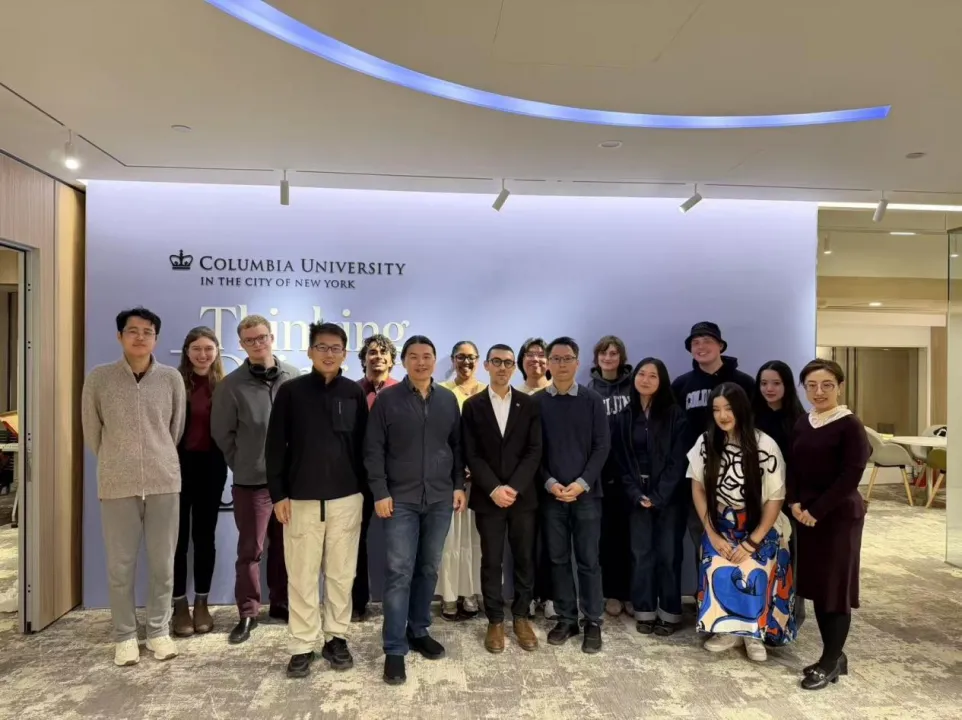
Taken together, the integration of site-based learning, center-based programming, and sustained engagement with local expertise created a more cohesive and immersive educational experience. It also illustrates how the Columbia Global Beijing Center functions as a platform that supports the development, realization, and long-term growth of globally oriented learning initiatives.