From Ocean Ecology to Environmental Humanities: Deep Blue Dialogue Convenes in Beijing
As environmental pressures reshape societies around the world, meaningful responses require more than scientific expertise. They also depend on human experience, cultural understanding, and practical action.
These questions are global in scope, yet deeply rooted in local contexts. For Columbia Global Center Beijing, they also point to the Center’s role in bringing Columbia’s academic resources into conversation with China’s local knowledge, public audiences, and practical experience.
Drawing on its convening capacity and local networks, the Center helped shape the program as a meeting point for scholars, scientists, filmmakers, and conservation practitioners, allowing environmental questions to be discussed not only as technical problems, but also as cultural, social, and community concerns.
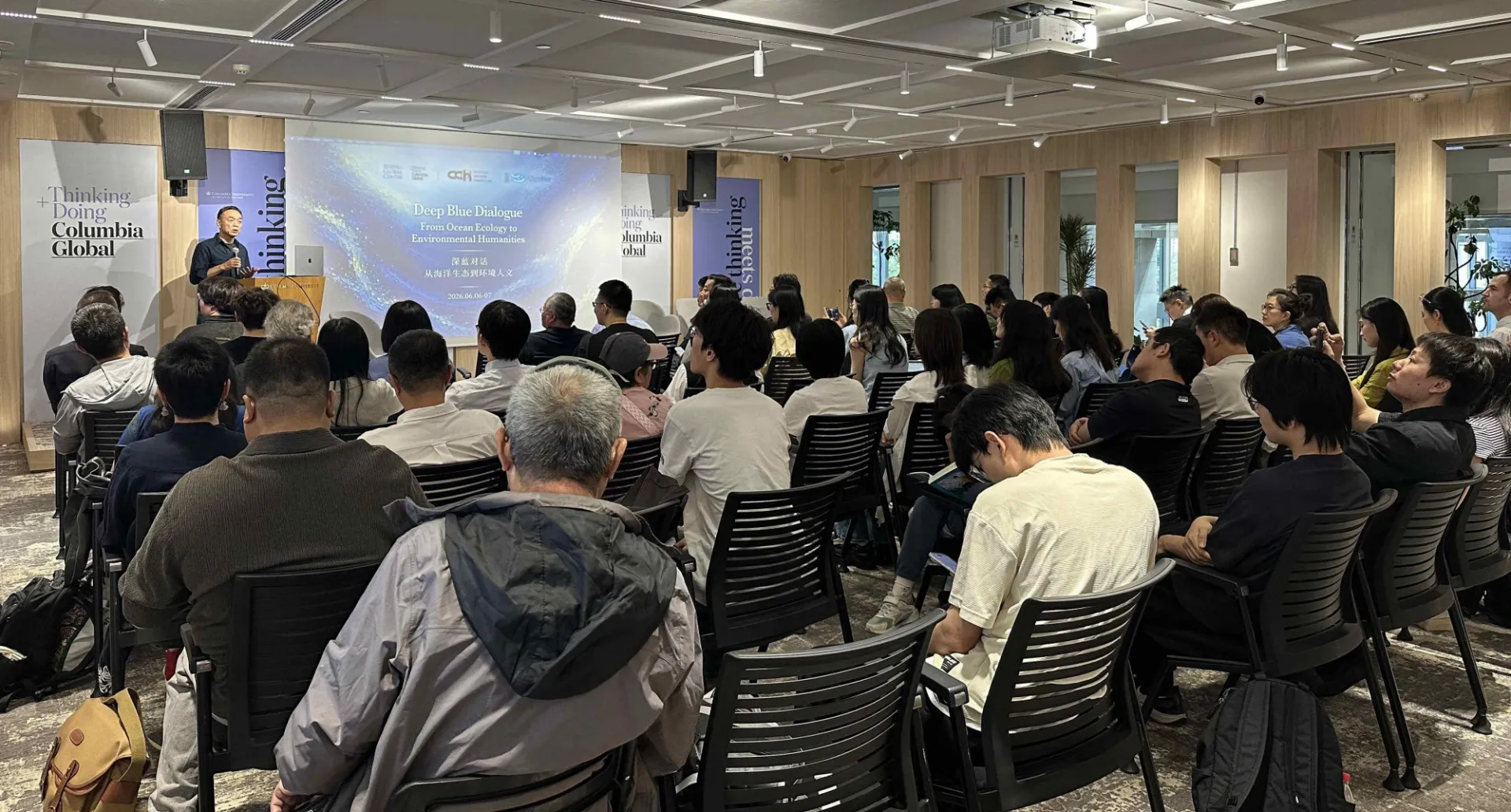
On June 6 and 7, the Center joined Columbia University's Critical Chinese Humanities Initiative and the China Blue Sustainability Institute to present Deep Blue Dialogue: From Ocean Ecology to Environmental Humanities. The two-day program combined a closed-door workshop with a public forum to explore how environmental knowledge is produced, communicated, and translated into action.
From Knowledge to Care
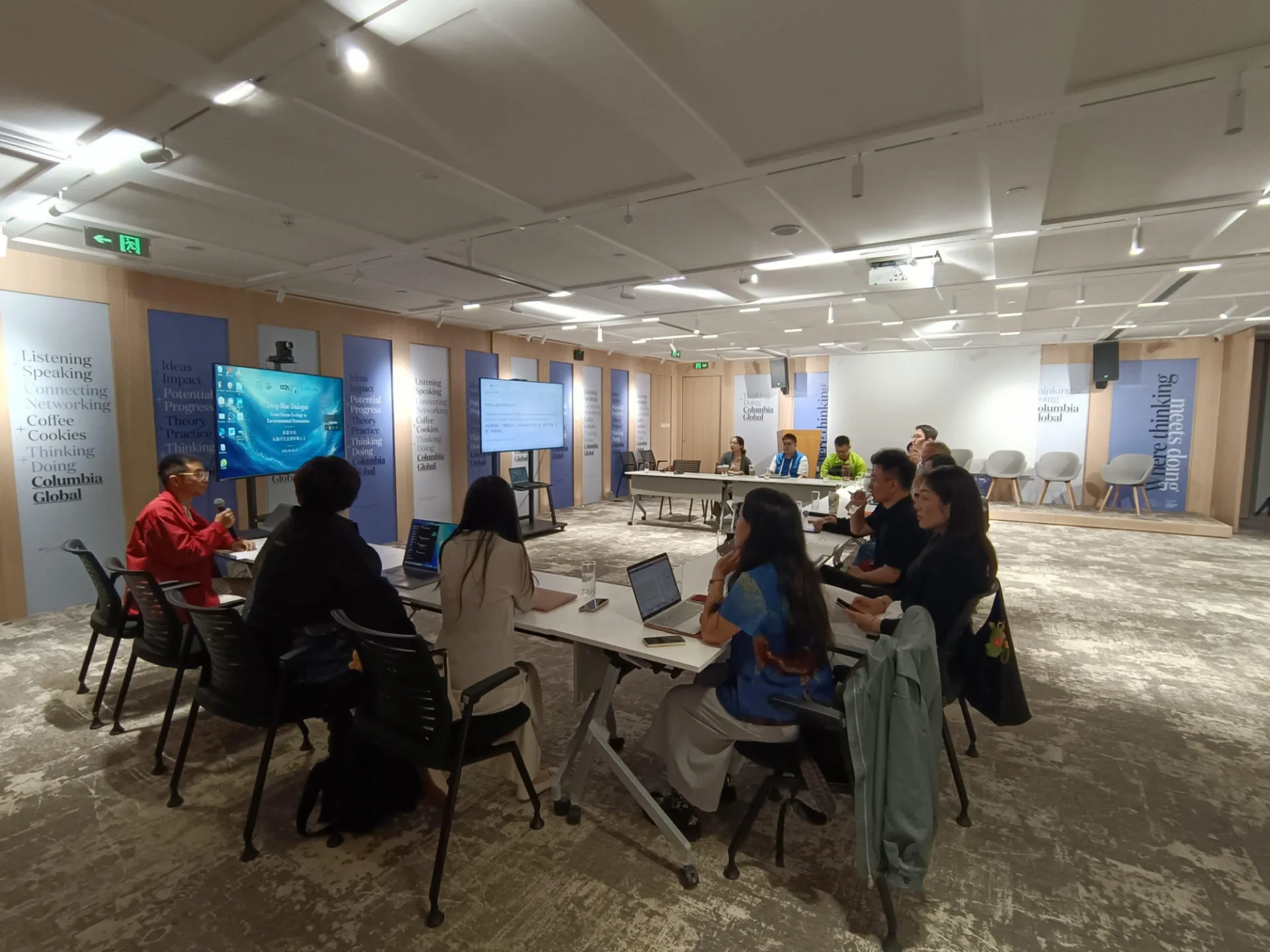
The program opened on June 6 with a workshop featuring researchers from Columbia University, Tsinghua University, and other institutions. Through case studies on Qingdao Aquarium, aquaculture experiments during the People's Commune era, elephant conservation, and animal care, participants explored how environmental knowledge is shaped by specific historical and institutional settings.
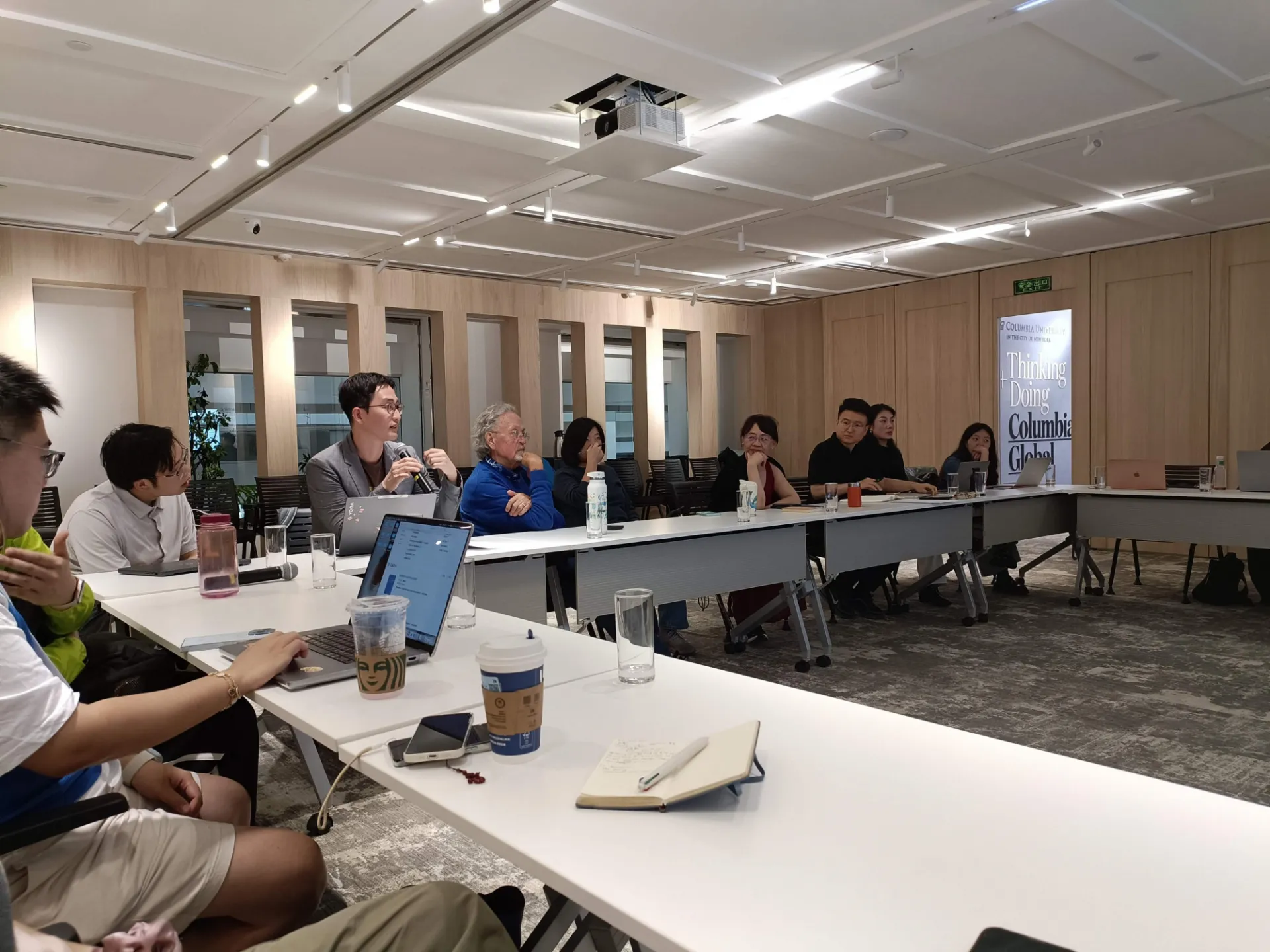
A recurring point throughout the workshop was that environmental questions are not only scientific problems. They are also influenced by social values, public memory, and the ways communities relate to their surroundings. These conversations prepared the ground for the public forum that followed.
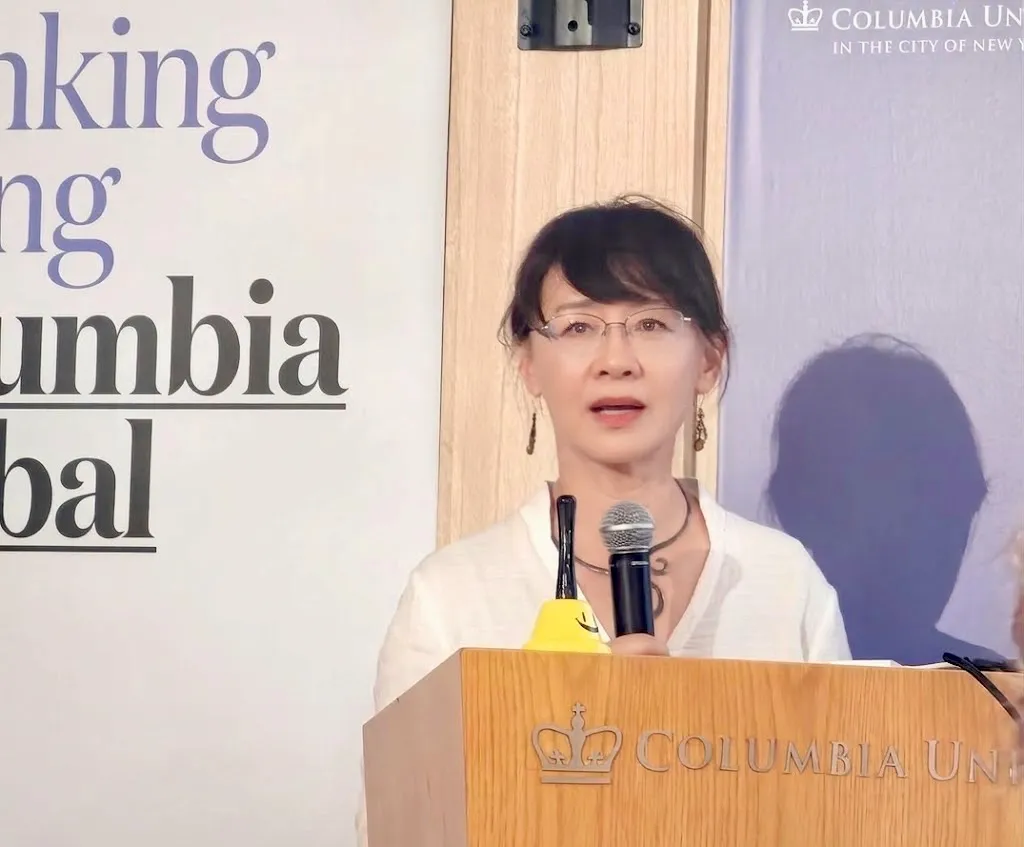
Opening the June 7 forum, Lydia H. Liu, Wun Tsun Tam Professor in the Humanities at Columbia University and Director of the Critical Chinese Humanities Initiative, framed the event around a progression from knowledge to care and from care to action. She emphasized the need to bring environmental humanities into dialogue with the natural sciences, noting that ecological crises also involve culture, values, and collective responsibility.
Keynote speaker Han Shaogong, one of China's most influential writers and cultural critics, extended this discussion by revisiting debates on developmentalism and environmental limits. Reflecting on ideas first raised at the 1999 Nanshan Conference, he questioned growth-centered measures of progress and the ecological costs often left outside conventional economic calculations.
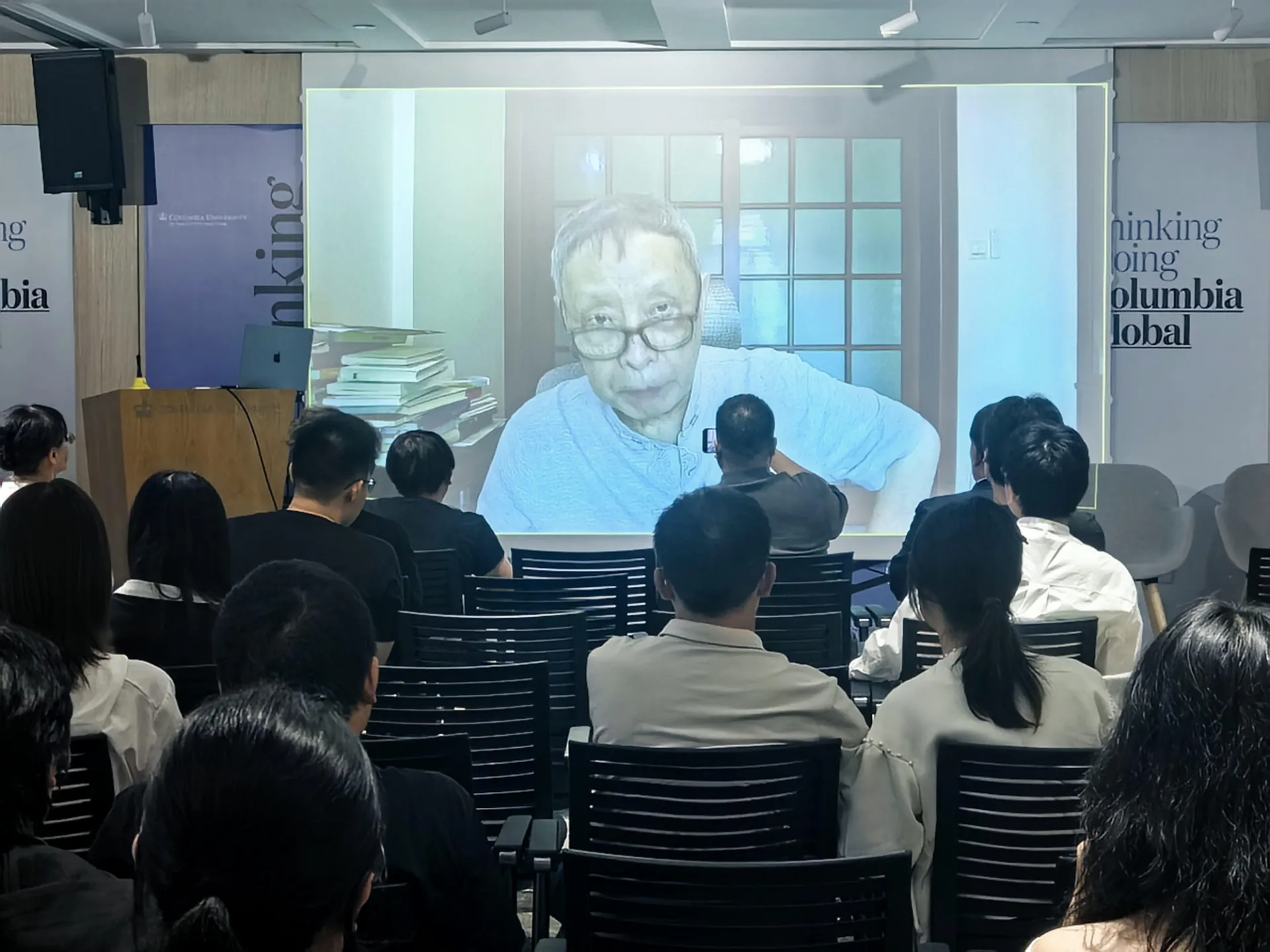
Using the idea of Maritime China, Han invited participants to view the ocean not merely as a resource, but as a space of exchange and shared responsibility. This perspective is increasingly important in an era of climate change and marine degradation.
Science, Storytelling, and Community Action
The public forum brought together leading voices in marine science and environmental practice.
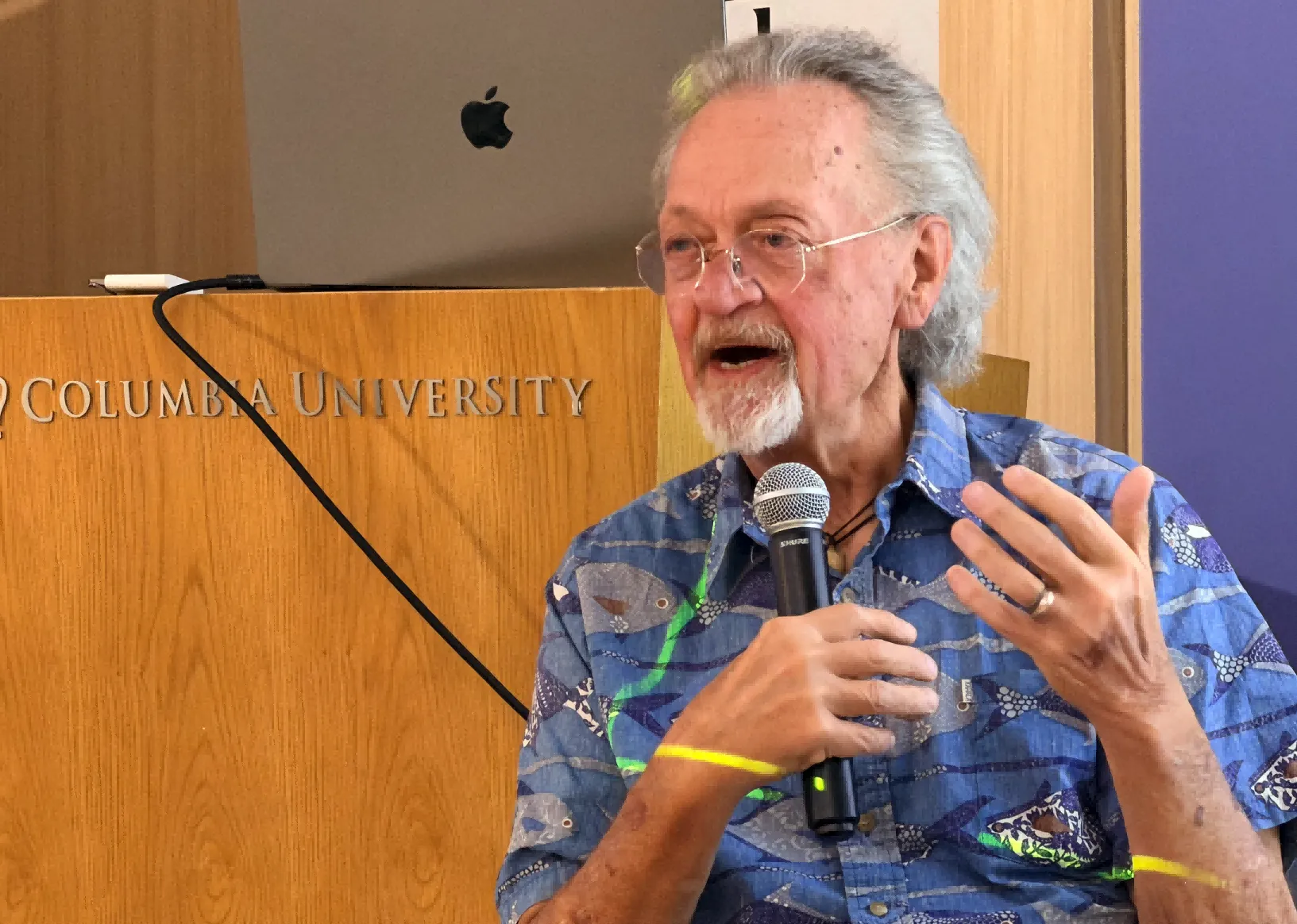
Larry Crowder, Edward F. Ricketts Provostial Professor of Marine Ecology and Conservation at Stanford University's Hopkins Marine Station, discussed recent advances in marine conservation, including dynamic ocean management, environmental DNA, and real-time ecological data. While these tools create new possibilities, he stressed that lasting conservation outcomes depend on cooperation among scientists, policymakers, fishing communities, and civil society.
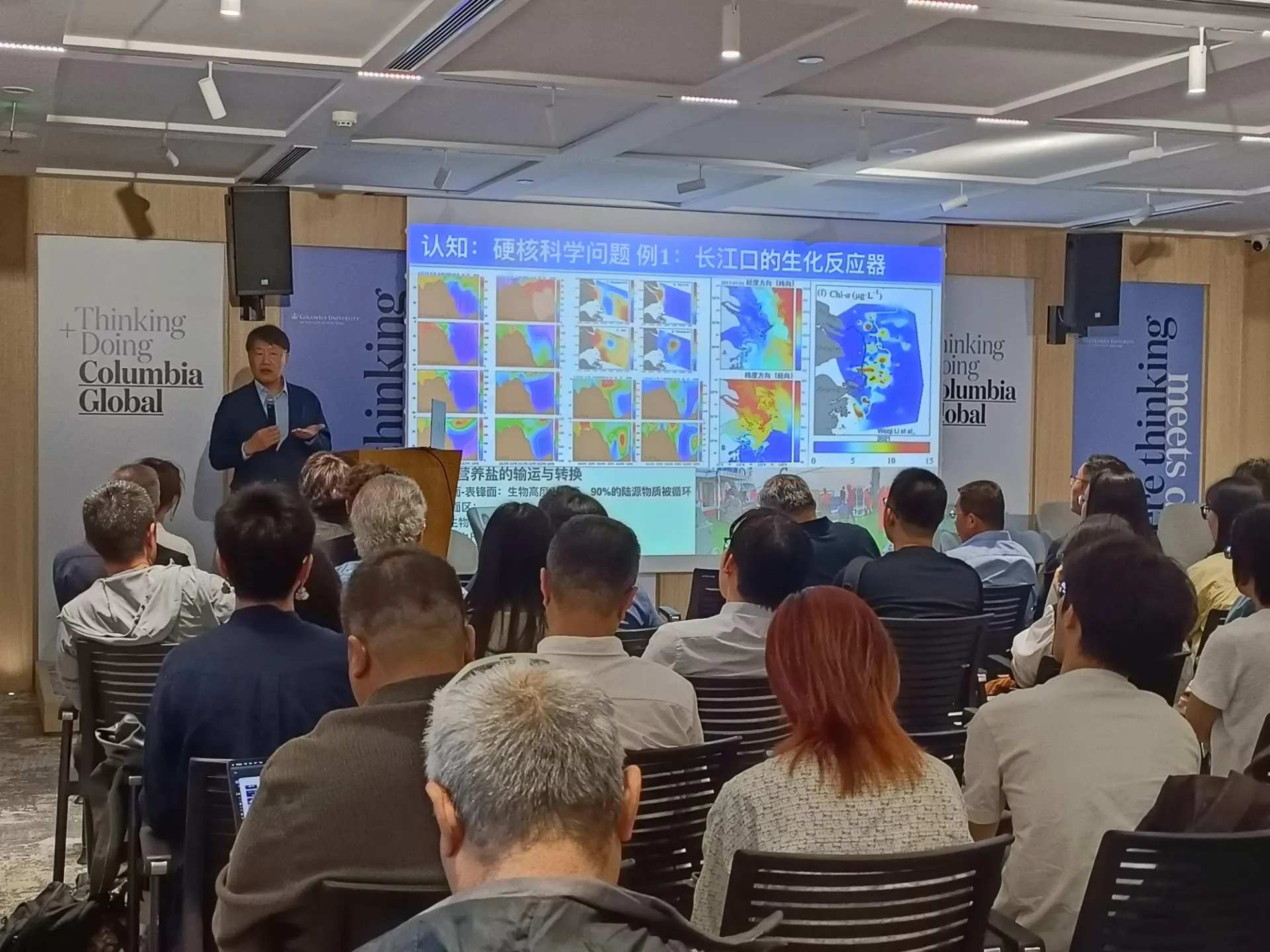
Zhou Meng, Chair Professor and Founding Dean of the School of Oceanography at Shanghai Jiao Tong University, drew on decades of research and field expeditions to highlight the ecological significance of coastal and polar systems. He reminded participants that marine resources are finite and that long-term sustainability requires a deeper understanding of ocean processes and environmental limits.
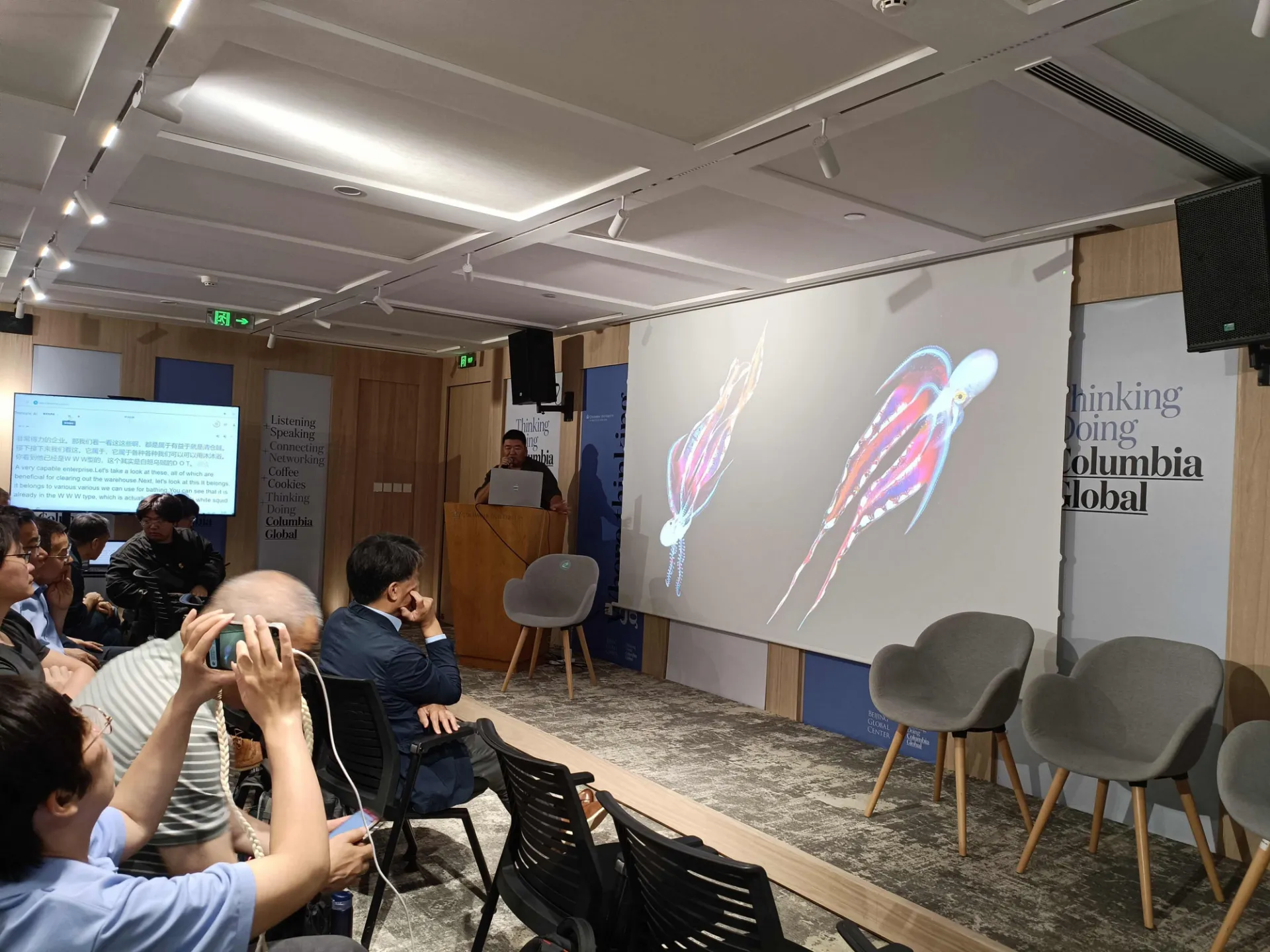
Other speakers considered how environmental change can be documented and communicated. Underwater photographer Zhang Fan shared images of rarely seen marine species and deep-water environments that remain unfamiliar to many viewers. Documentary filmmaker Wang Jiuliang reflected on years spent working with fishing communities and documenting environmental change across China. He described the sharp decline of fish stocks in coastal waters, the mounting challenges faced by small-scale fishermen, and the ways ecological degradation is reshaping livelihoods and food systems. His remarks highlighted the often-overlooked human dimensions of marine conservation and environmental governance.
The forum also included practitioners working with coastal communities. Han Han of the China Blue Sustainability Institute, anthropologist Wang Libing, conservation researcher Zheng Ruiqiang, and community representative Lin Ming shared experiences related to fisheries, local participation, and long-term stewardship. Their perspectives showed how ocean conservation is shaped not only by policy or science, but also by community knowledge and everyday practice.
Building New Conversations
Across the two days, Deep Blue Dialogue showed how environmental questions can benefit from conversations that cross disciplinary and professional boundaries. The program examined the ocean as both an ecological system and a shared social space.
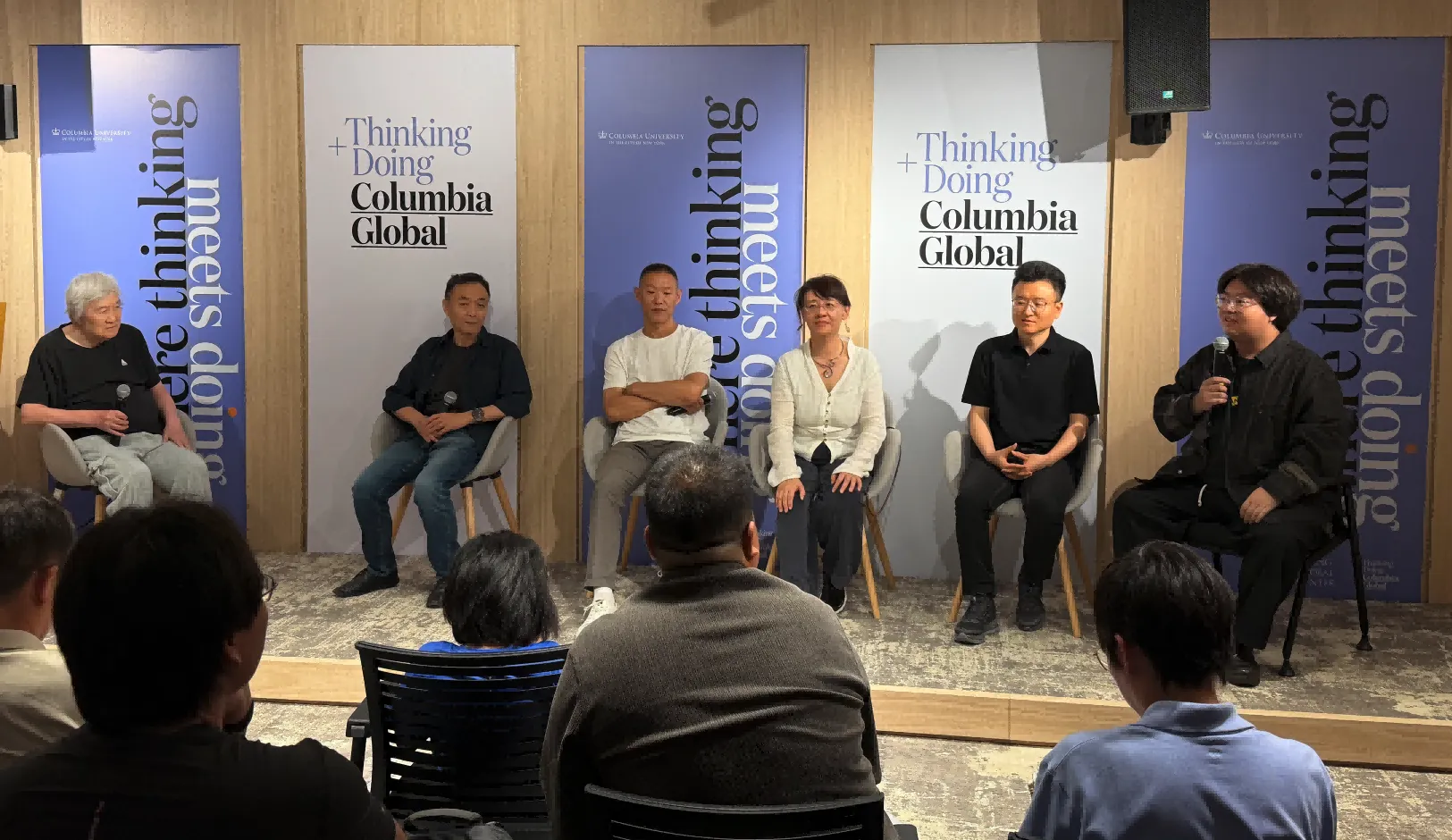
It also demonstrated the Beijing Center's role as a convening hub that connects Columbia's academic strengths with local knowledge and public engagement in China. By bringing different groups into conversation, the Center helped turn scholarly inquiry into a broader dialogue with practitioners, students, and the public.
As environmental challenges continue to grow, the Beijing Center will keep supporting interdisciplinary programs that connect global scholarship with local action and open new ways of thinking about sustainability and shared responsibility.