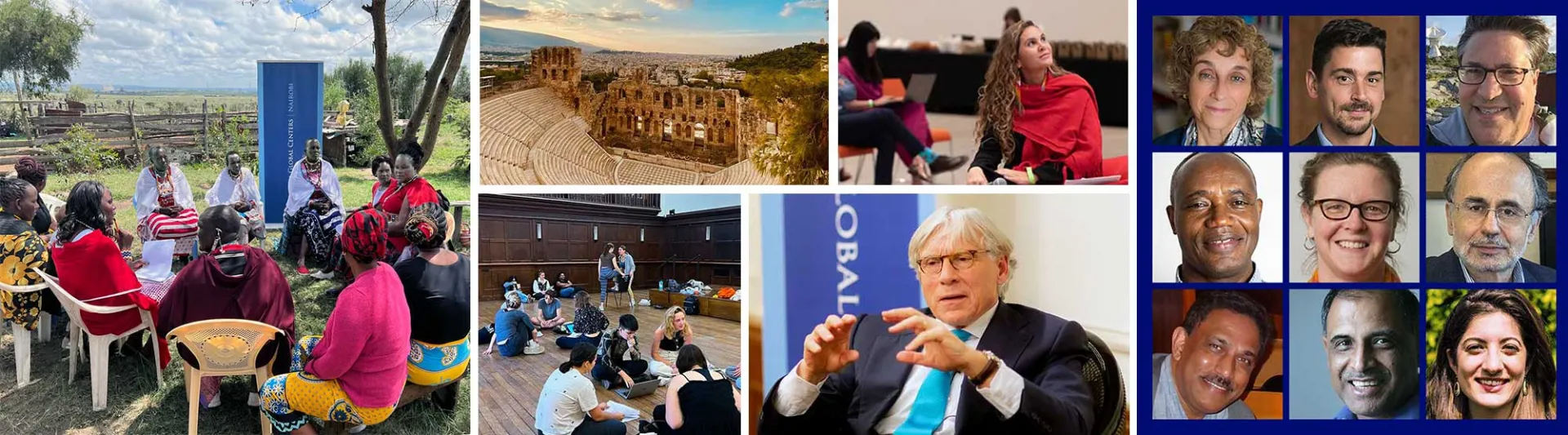
It has been an exciting year for the Columbia Global Centers. Below are just a few of our many highlights and accomplishments, which you can read in full in our annual reports.
In July, the centers became part of Columbia Global, which brings us together with Columbia World Projects, the Institute for Ideas and Imagination, and other global initiatives under the leadership of Executive Vice President Wafaa El-Sadr.
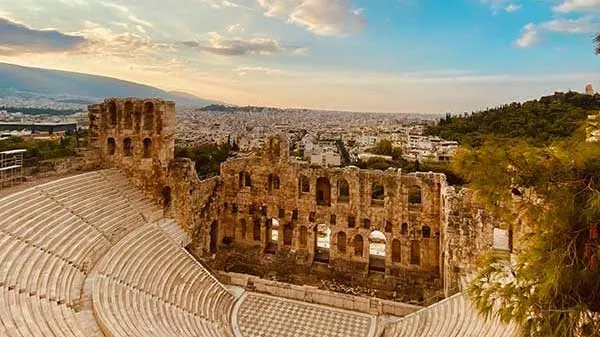
Columbia President Lee C. Bollinger announced in November the launch of a new global center in Athens, becoming the 10th center in the network.
“The mission of our centers is to serve as the University’s physical and intellectual presence around the world—to facilitate and curate faculty work, provide educational opportunities for students, and connect us with people and ideas shaping our global society,” Bollinger said at the announcement in Athens.
The year’s highlights include faculty research and student participation with local stakeholders in all nine regions and covered a variety of global issues, including those highlighted below.
Faculty Research
In August, nine faculty projects were were named recipients the President's Global Innovation Fund to explore a wide range of issues that advance our understanding in climate and sustainability, health and medicine, and social justice and equity.
Research projects topics include:
- the impact of climate change on international security;
- creating a network of university students to advocate for multidisciplinary course in global citizenship; and
- a tool to test water desalination processes.
Student engagement
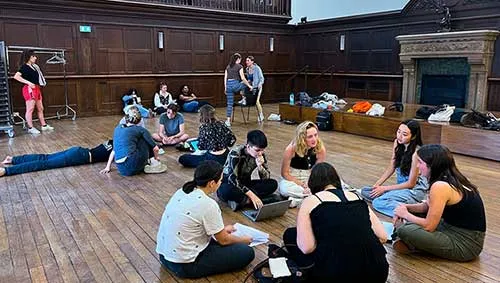
Paris Center hosted the Barnard College’s Translating Theater and Acting in Paris programs and the Undergraduate Global Engagement program.
Santiago Center led in virtual student internships.
Amman Center facilitated a student-written publication on Columbia University’s history and ties with Arabs and the Arab world.
Beijing Center held five virtual career fairs attended by more than 1,300 local students and featuring 80 employers.
Rio de Janeiro Center hosted student webinars such as the current state of the Amazon ecosystem and a Global Executive Master of Public Administration.
Local program partnerships
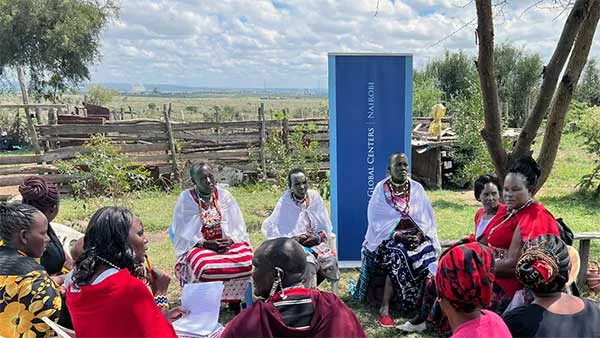
Highlights include:
Tunis Center - first of at least two workshops led by a Columbia professor for a curriculum on global citizenship in a collaboration with the Istanbul Center and local universities.
Nairobi Center - the center facilitated a program led by Columbia World Projects exploring regional climate risks.
Santiago Center - launched two significant books: Columbia University and Chile: Over 100 Years of History and Memory Album.
Global Issues Highlights
Climate change
The Rio de Janeiro Center organized a one-day panel with the Obama Scholars in conversations about climate change with activists and scientists from around the world: “Climate, Hope & Science – Shifting paradigms in spirituality, technology, finance and civic action.”
The Mumbai Center entered into a partnership with the Maharashtra’s Department of Environment and Climate Change to develop a program for young people leveraging scientific knowledge and expertise of researchers, scholars, and faculty from Columbia University.
Nairobi and Tunis collaborated on Building the future: Climate entrepreneurship in Africa.
Forced migration
Nearly 90 million people – roughly 1 of every 88 people on the planet – are forcibly displaced worldwide, according to a June report from the United Nations Refugee Agency.
The university's and our response includes:
- The Columbia University Committee on Forced Migration, a University-wide initiative created by the Columbia Global Centers to engage, support, and share information on issues related to forced migration.
- The Columbia University Scholarship for Displaced Students offers full scholarships to qualified displaced students who have been accepted to one of the university's schools. Over the last three years, 53 students from 24 countries have attended 16 of our schools.
Amman and Istanbul are collaborating with local partners on the REfugees Act and Communicate for Health Project, which aims to bridge the gap in health literacy and health care access among refugee youth in Turkey, Lebanon, and Jordan.
Health
Addressing local health issues has been at the forefront of the Mumbai Center since its inception. A current project is Period of Life: Improving Menstrual Health and Knowledge in India with interdisciplinary experts from leading academic institutions in Mumbai. The project held a workshop in June.
Mumbai Center partnered with the Columbia University School of Nursing to support a six-week global clinical practicum for nursing students who were visiting India to care for patients with infectious diseases at the Bel-Air Hospital in Panchgani.
Nairobi Center commenced the first Global Practicum Program in Kenya to enable students to learn more about real-world experiences and scenarios that enable them to be better prepared to provide accurate and independent diagnoses.
Arts
Paris Center has a strong focus on the Arts. Highlights include: a new collaboration with Musee d'Orsay featuring a student field trip and public lecture about female artist Rosa Bonheur; a summer music concert series.
Amman Center hosted a series of book talks featuring Arab authors. Watch the recorded conversations here.
Mumbai Center launched a program with its country's authors, Writing Indian Stories.