Takeaways from the Columbia India Hour session with Professor Shyam Balganesh and Bahram Vakil
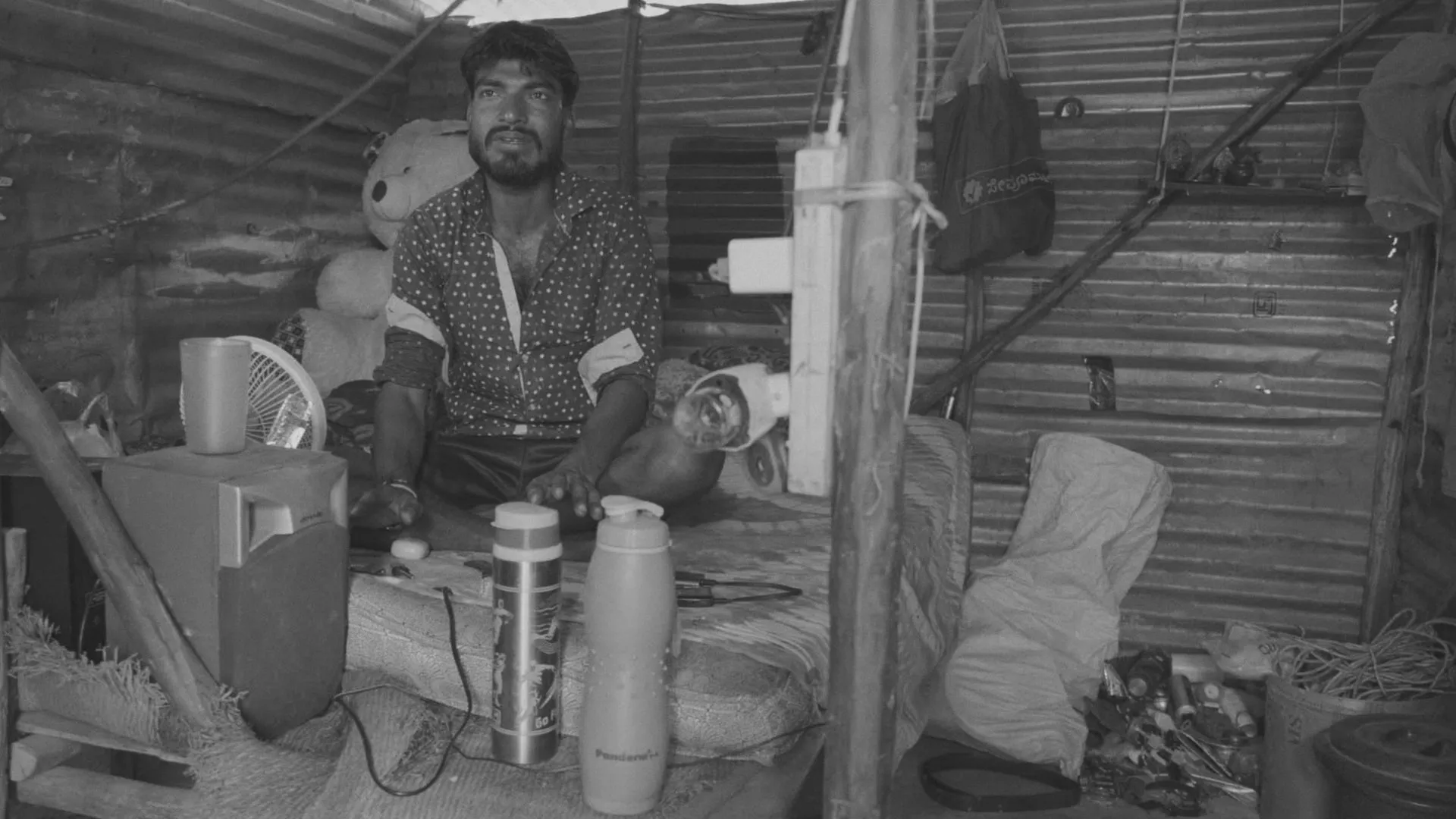
Tracing one migrant's journey from a Bihar village to a Bengaluru factory floor this reflection piece is written by Benjamin Miyakawa, MPA-DP’27 who participated in fieldwork in India as part of the ‘Displaced Livelihoods’ project supported by Columbia Global's PGIF
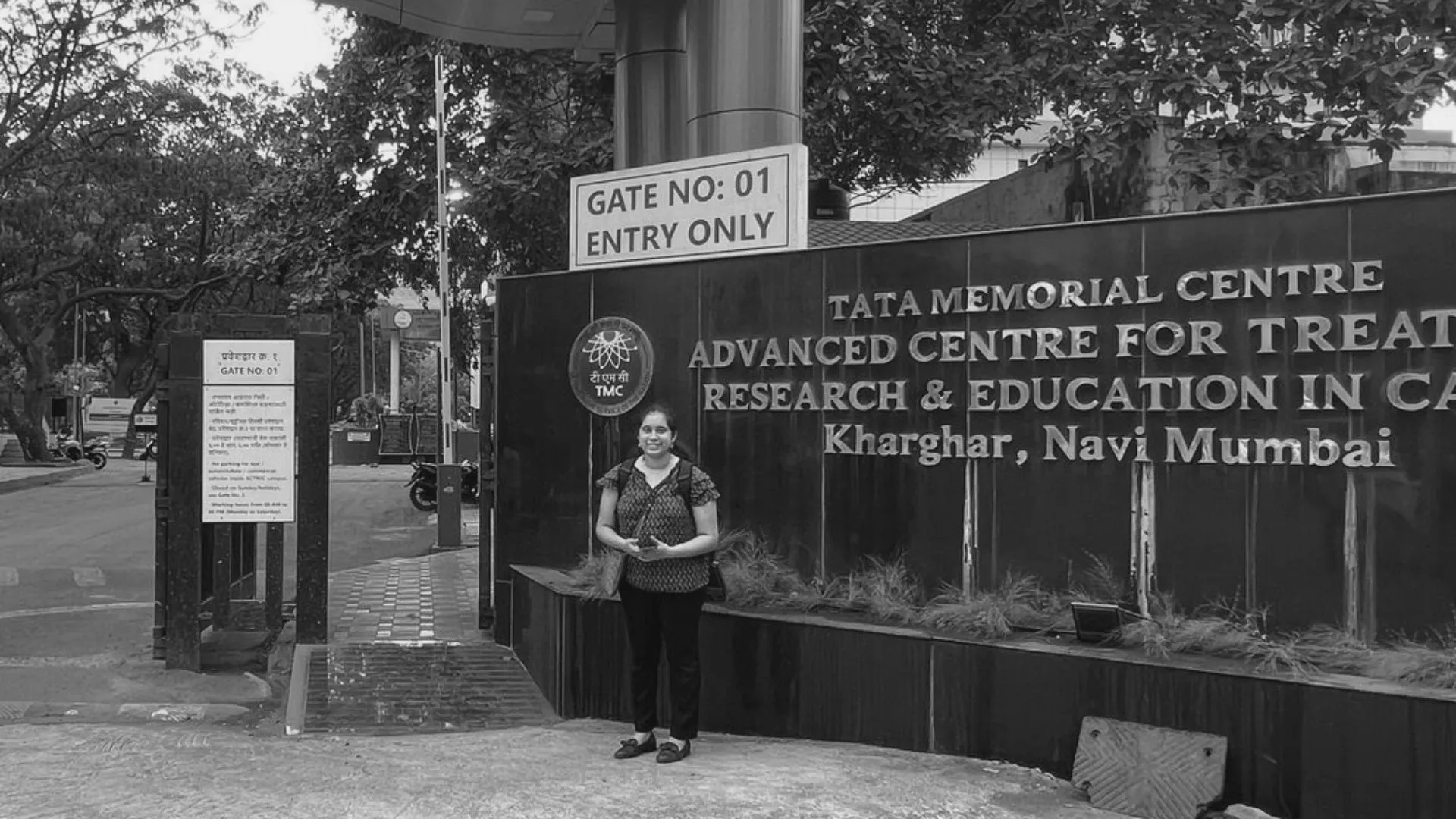
This reflection piece is written by Meghna Sequeira, MPH Student at Columbia University Mailman School of Public Health, Department of Epidemiology

This reflection piece is written by Sage Bailey, a Columbia University undergraduate and Laidlaw scholar, who is currently pursuing a project with Ambuja Foundation in Jaipur

In partnership with the Department of Statistics, Columbia Global Centers are hosting a series of six seminars around the world aiming to expand international student enrollment to the MA Statistics program at Columbia University.
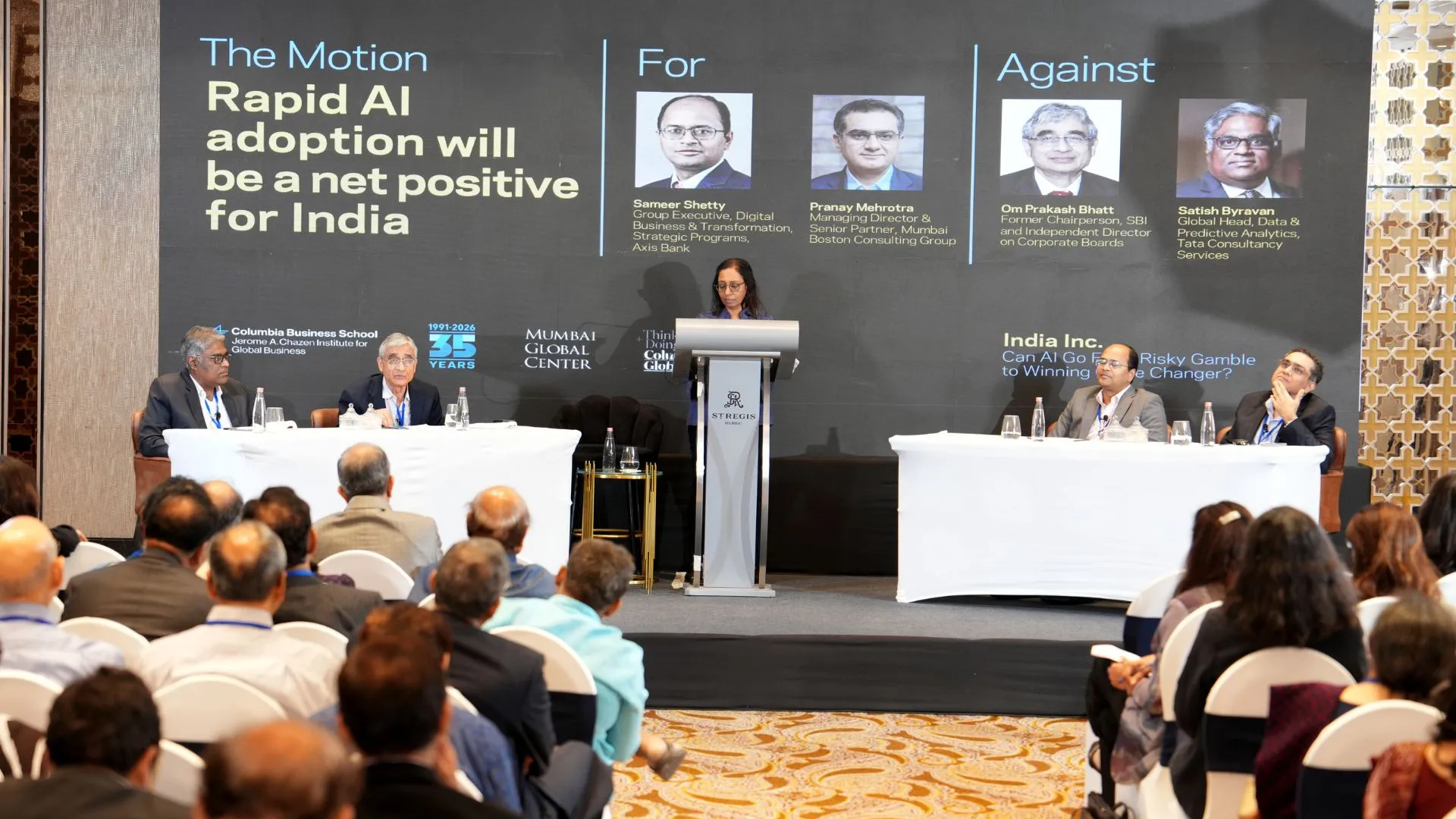
The Columbia Business School's Jerome A. Chazen Institute and Columbia Global Center Mumbai’s India forum titled, Can AI Go From Risky Gamble to Winning Game-Changer? explored the promise and pitfalls of digital twins —AI-generated doubles that simulate individuals’ behavior—are quickly reshaping how businesses engage with their customers. A participatory debate weighed rapid AI adoption's net benefits for India, highlighting gains in agriculture and healthcare against risks like errors at scale and language inequities, with consensus on paced implementation.
The Center has hosted five major dialogues on AI, bringing together Columbia faculty and leading voices from India to explore how AI is being used in health, finance, business, and digital ecosystems. These conversations have moved beyond hype to focus on what works, what doesn’t, and what responsible AI adoption should look like in the Indian context.
The Columbia HICCC Cancer Series fosters a direct exchange of life-saving insights between doctors from India and the U.S., ensuring that a breakthrough in New York or a clinical innovation in Mumbai can benefit patients thousands of miles away.
Columbia Global announces two unique opportunities for Columbia faculty and displaced scholars to conduct research at one of our Global Centers.
Columbia Global Center Mumbai, in partnership with Columbia University’s Herbert Irving Comprehensive Cancer Center (HICCC), Tata Memorial Centre, and the Rajiv Gandhi Cancer Institute & Research Centre, hosted the fourth webinar in the Columbia HICCC Cancer Series on December 12, 2025, focusing on Advances in Colorectal Cancer: Precision Treatment and Surgical Innovations
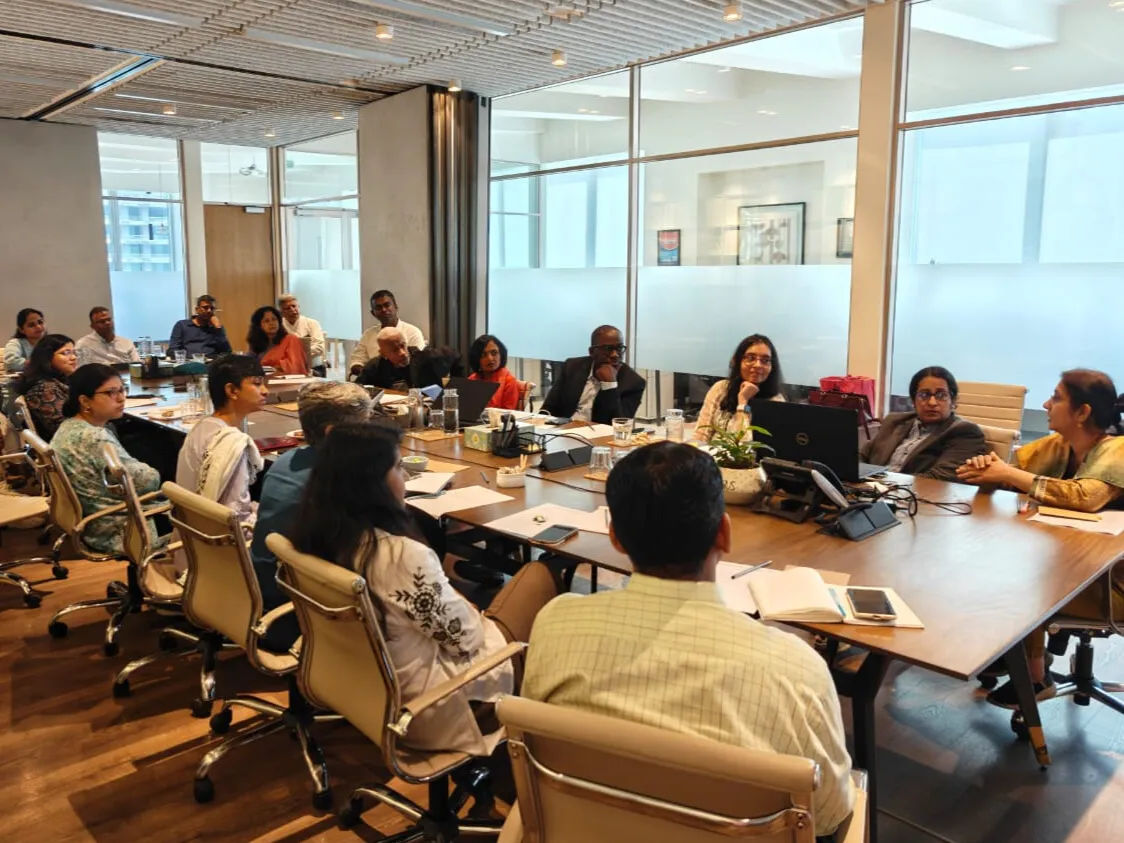
An expert roundtable conevened by Columbia Global Center Mumbai recently explored how evidence, creativity, and collaboration can help reshape nutrition education in the country. The discussion, titled “Addressing Nutritional Challenges Faced by Adolescents in India,” brought together experts from Columbia University and India to rethink how healthy eating can become not just a necessity but an aspiration for India’s young generation.
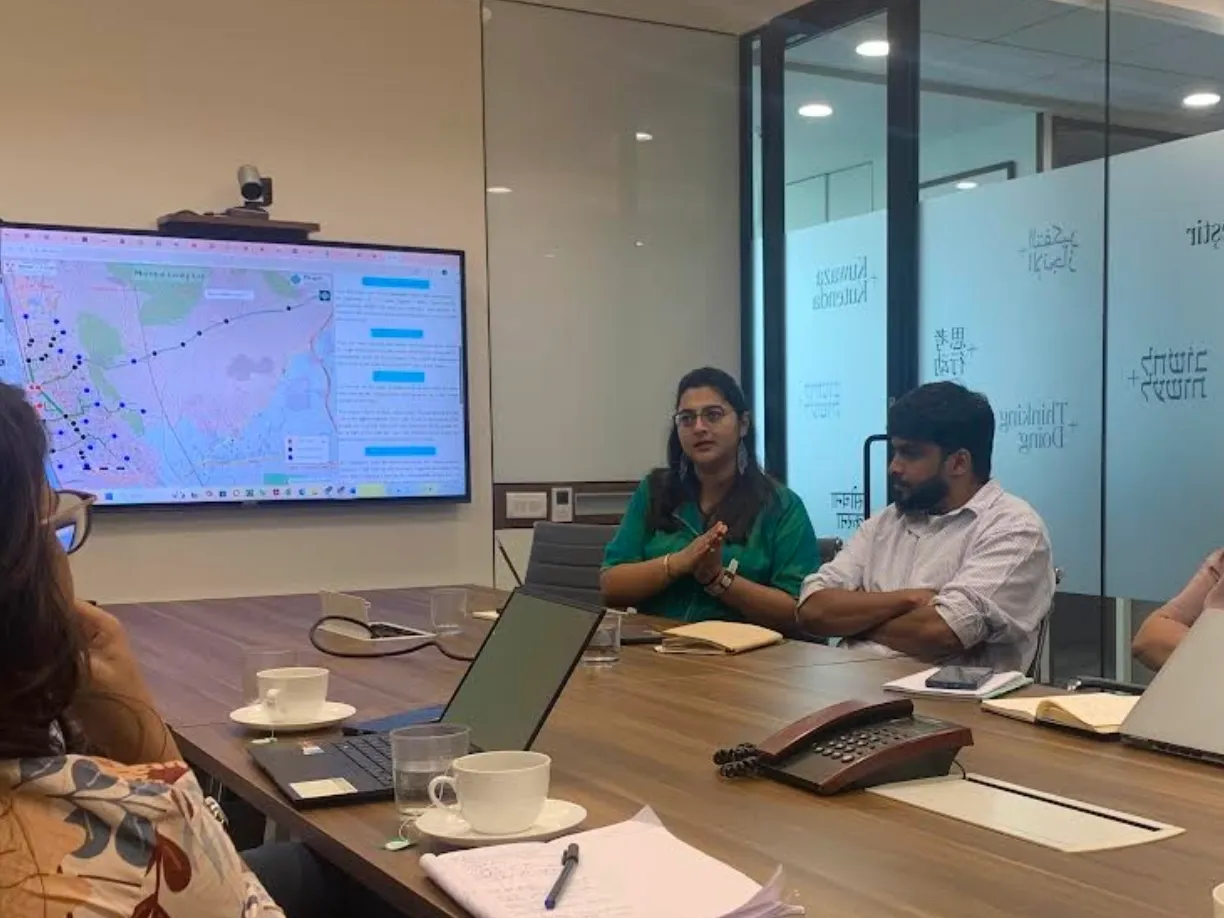
Drawing on mapping exercises in cities like Mumbai, Dr Jacqueline Klopp, Director of the Center for Sustainable Urban Development and Co-Director of PRISM's (People, Resources, Information and Systems for Mobility) work emphasizes the sheer scale of daily auto rickshaw trips and the essential role these vehicles play in neighborhoods underserved by buses or metros, particularly in marginalised informal settlements