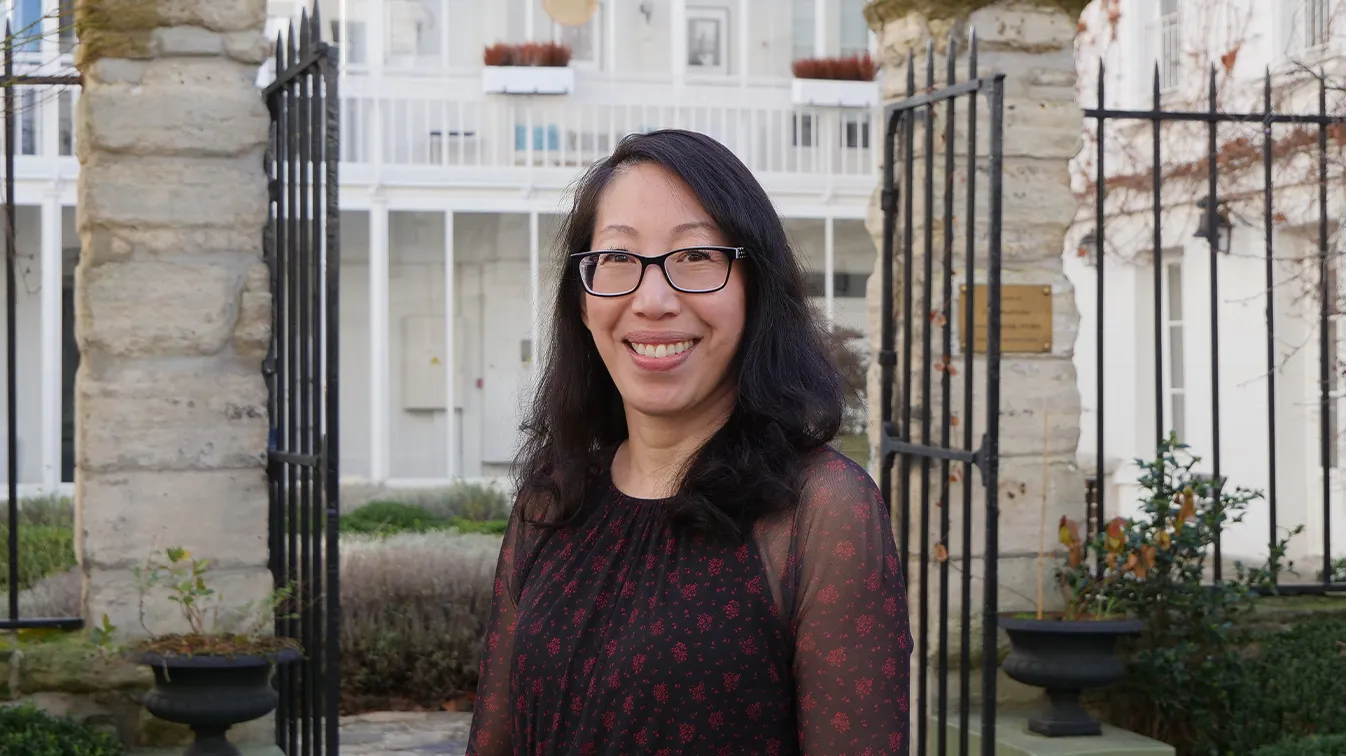
A pediatric transplant cardiologist uses a visit to Reid Hall to find language for the hardest part of her work — the donor families whose loss makes her patients' survival possible.

Bianca Jones Marlin used a visit to Reid Hall to advance three collaborative projects — including a joint investigation into how fictive memories might be biologically encoded and passed to future generations.
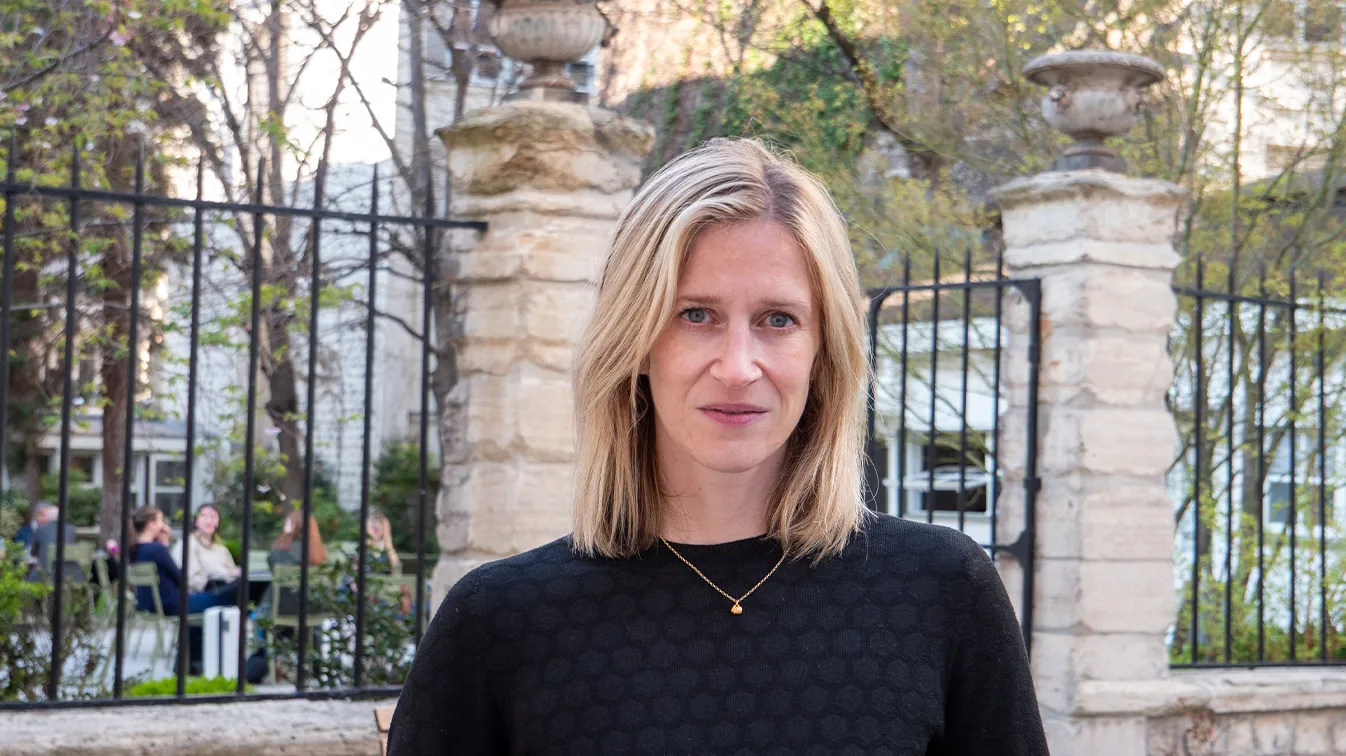
A historian of science working on the political origins of climate pessimism uses a visit to Reid Hall to complete her book's final chapter and engage with European scholars reexamining how climate action became, against all odds, politically conceivable.
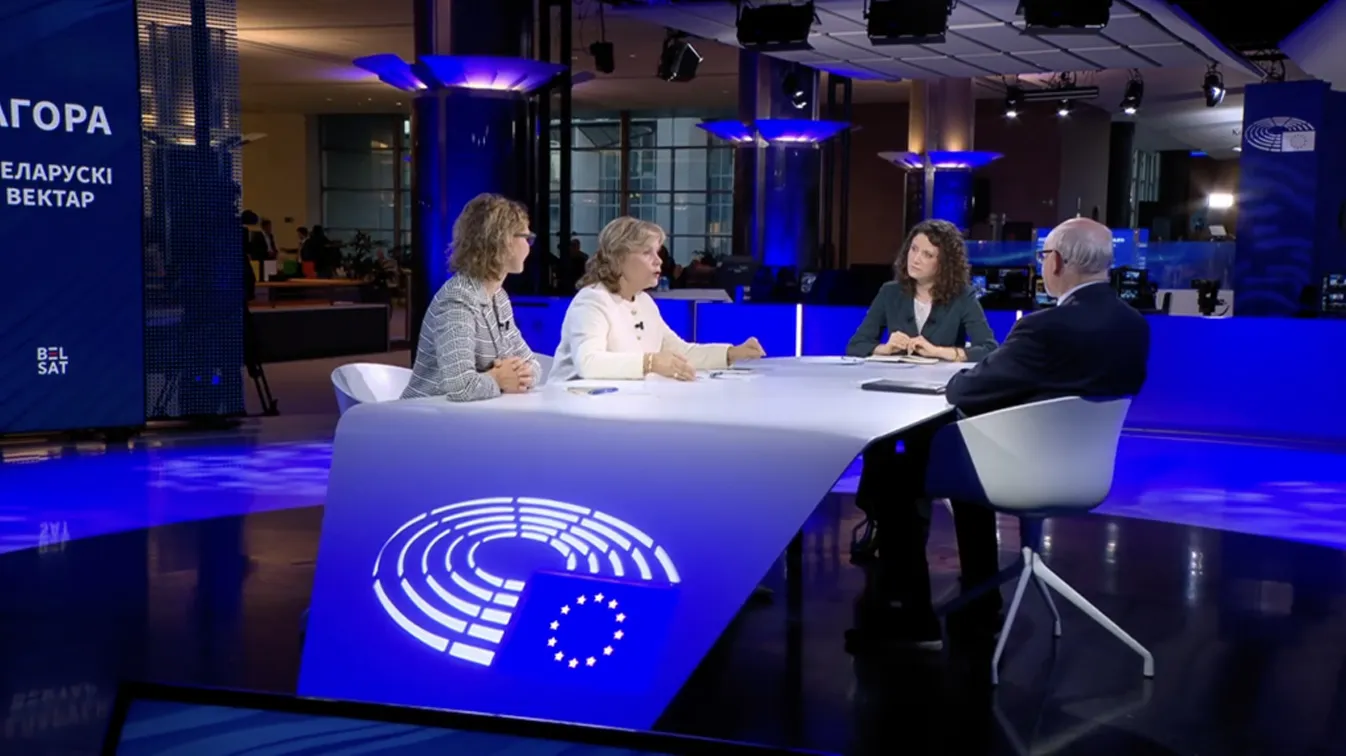
Hosted by Reid Hall journalist-in-residence Hanna Liubakova, “Agora. Belarusian Vector” brings Belarus back into European political focus by connecting EU policymakers and Belarusian voices to sustain international awareness and accountability.

The Columbia Global Center Beijing announces its relocation to Gateway Plaza in the city’s Chaoyang District, one of Beijing’s most dynamic areas for innovation, business, and culture. This move reflects the Center’s continuing commitment to strengthening Columbia University’s academic partnerships and engagement across China and East Asia.
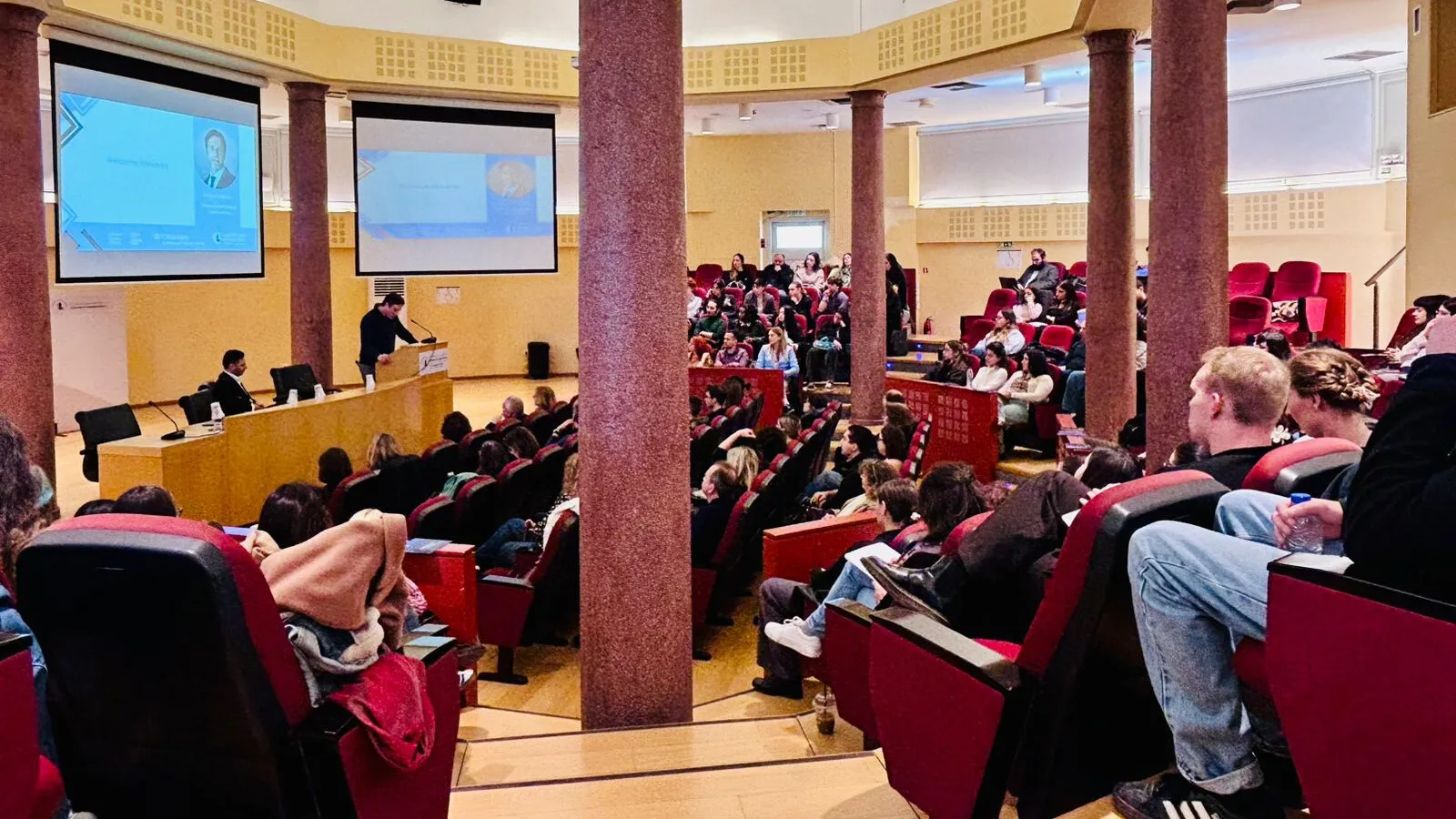
How has Greece’s treatment of refugees evolved over the past decade, as the country moved from an emergency humanitarian response to long-term policies?
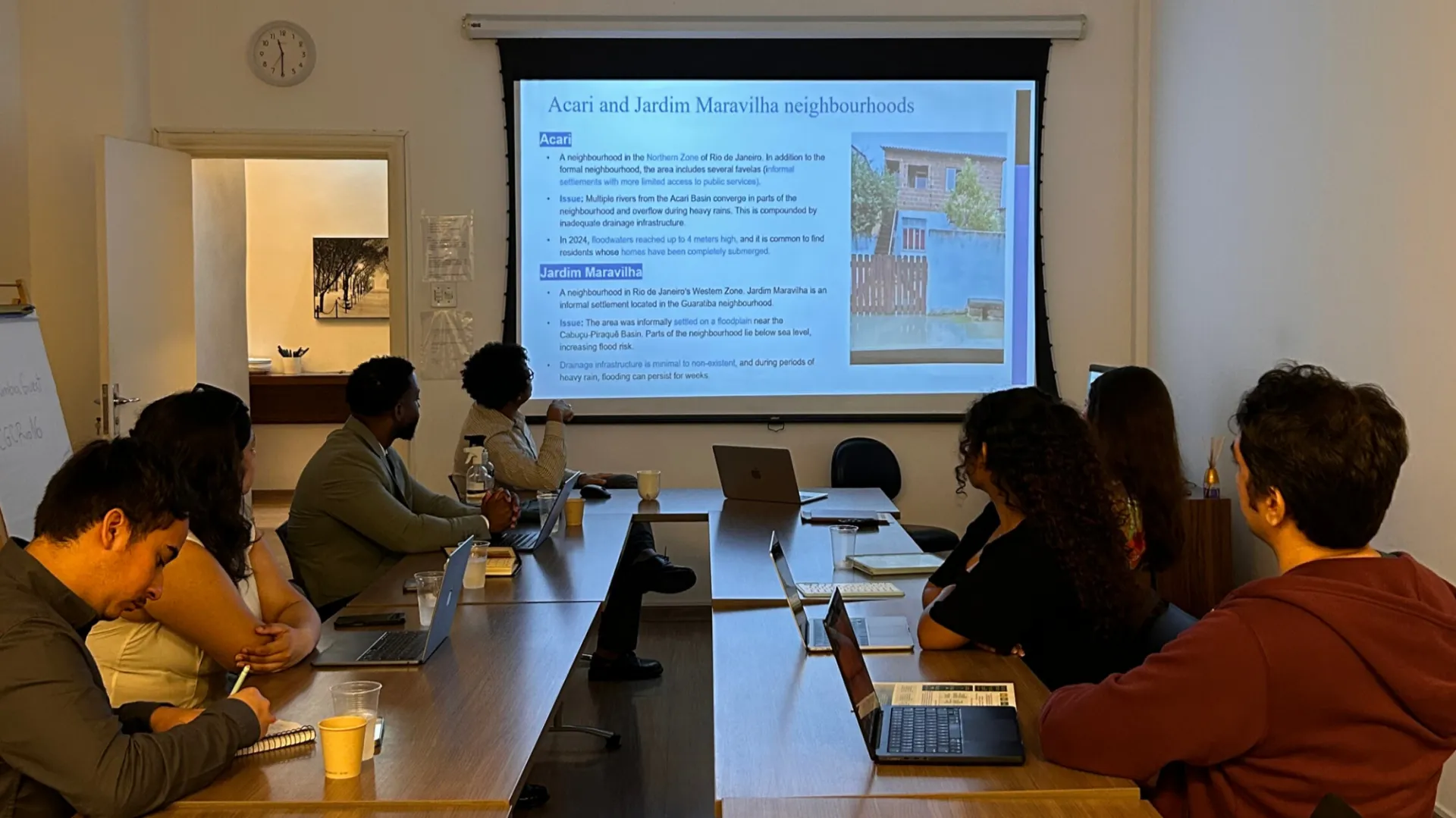
In March, a team of graduate students from Columbia University’s School of International and Public Affairs (SIPA) visited Columbia Global Center Rio de Janeiro as part of their capstone project developed in partnership with Fundação BRAVA.
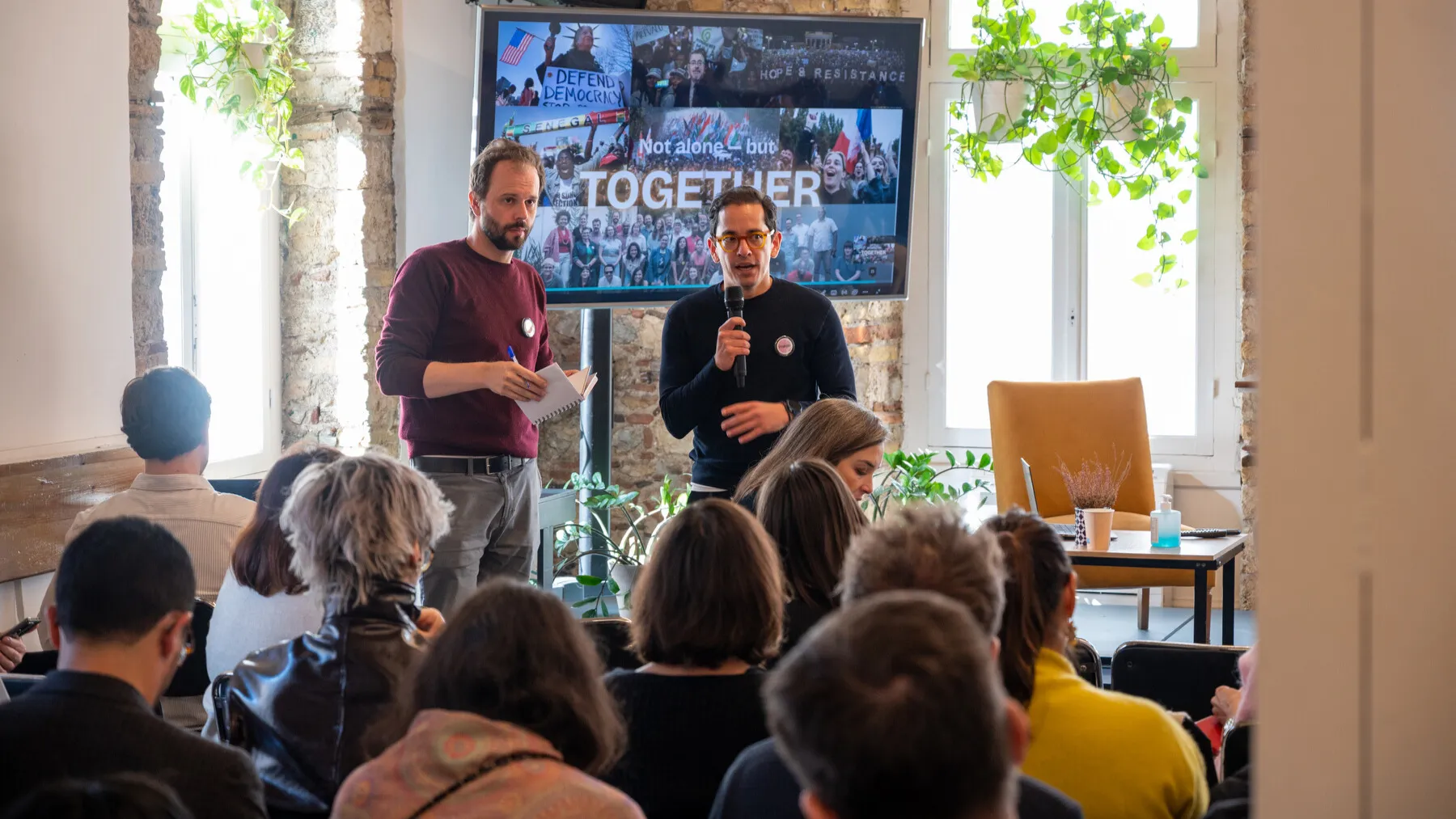
A two-day forum in Athens brought together pro-democracy activists from around the world to share resources.
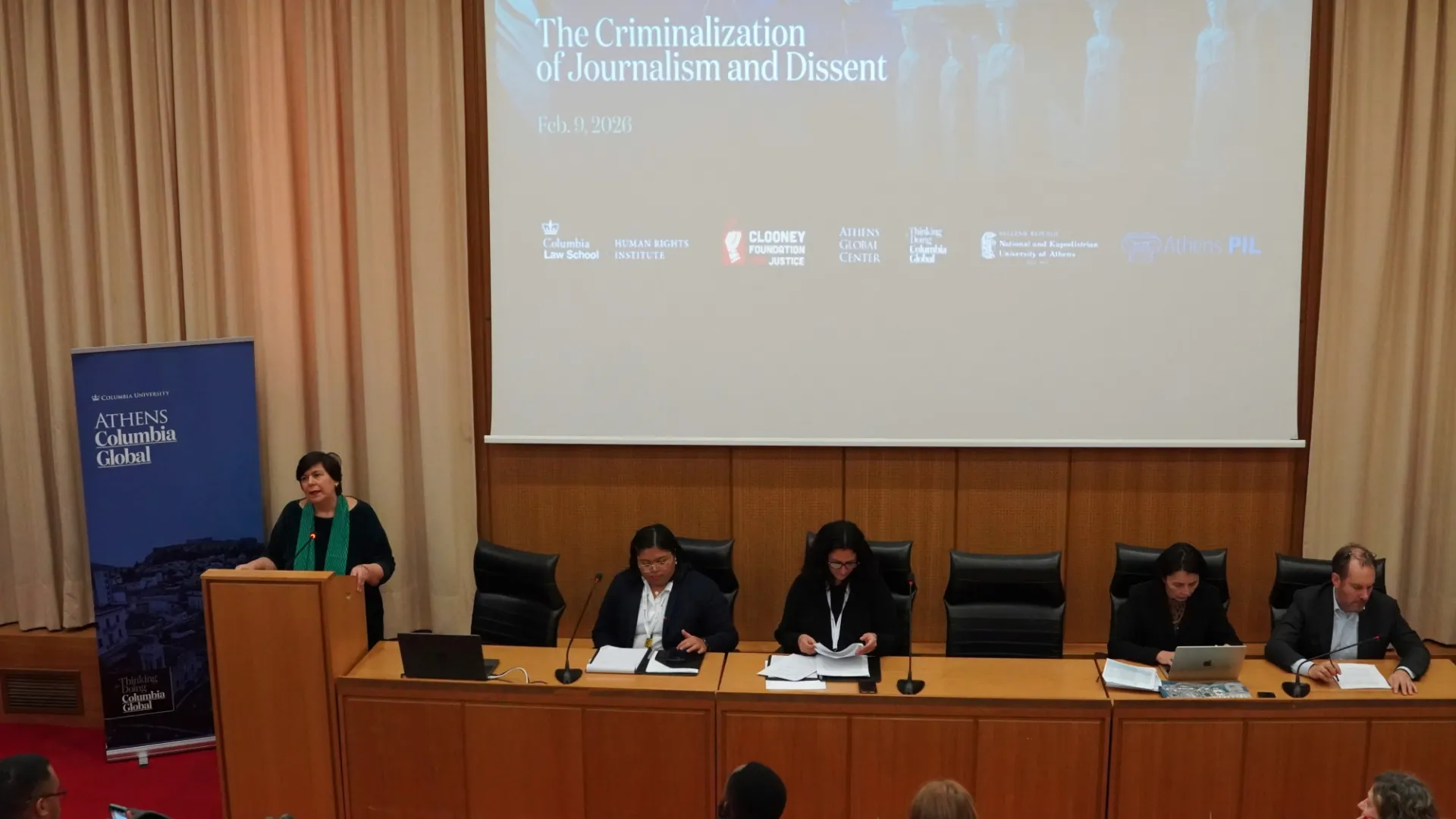
An open session for students, academics, and human rights practitioners to consider how legal systems are suppressing journalism and dissent.
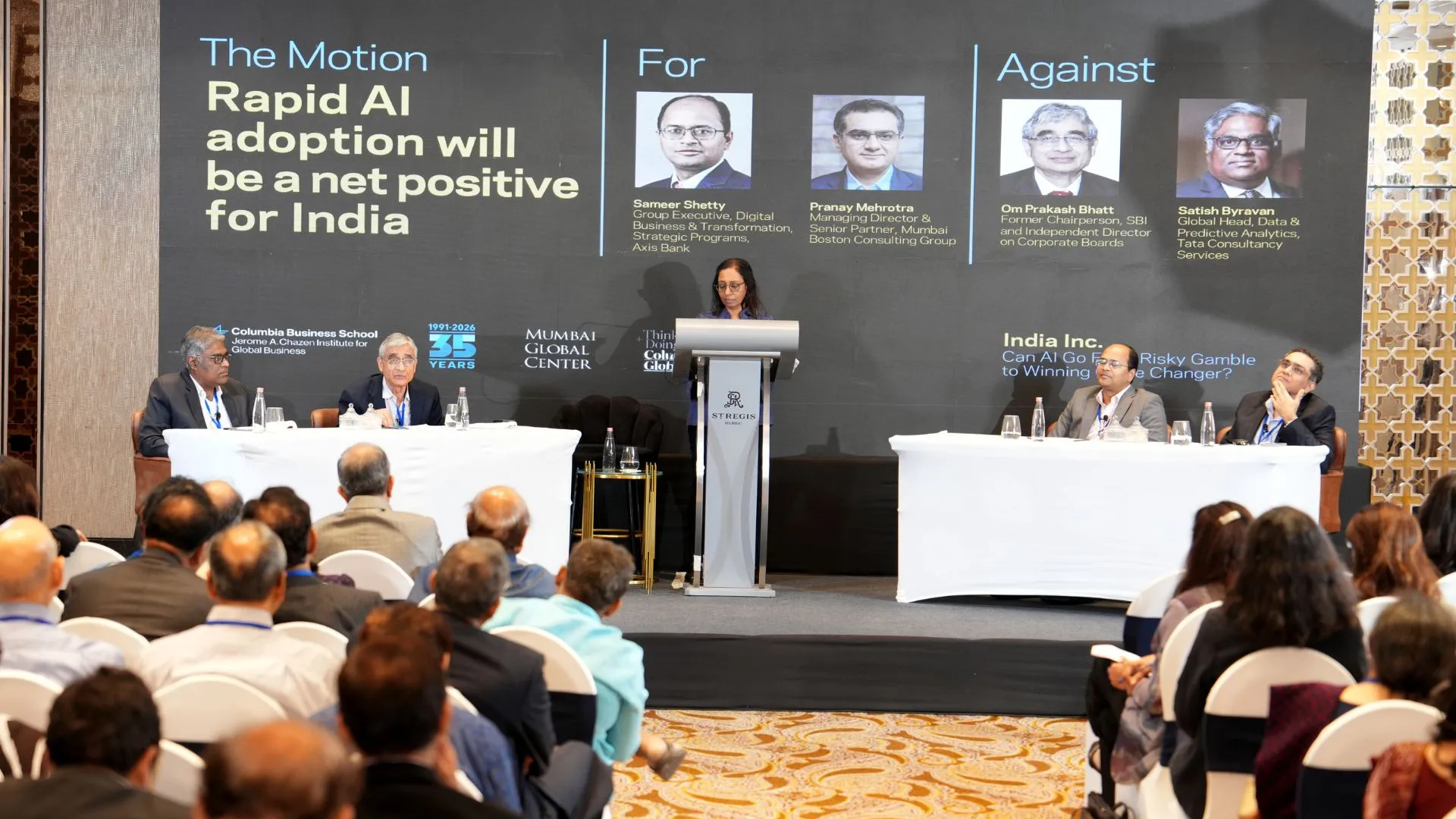
The Columbia Business School's Jerome A. Chazen Institute and Columbia Global Center Mumbai’s India forum titled, Can AI Go From Risky Gamble to Winning Game-Changer? explored the promise and pitfalls of digital twins —AI-generated doubles that simulate individuals’ behavior—are quickly reshaping how businesses engage with their customers. A participatory debate weighed rapid AI adoption's net benefits for India, highlighting gains in agriculture and healthcare against risks like errors at scale and language inequities, with consensus on paced implementation.
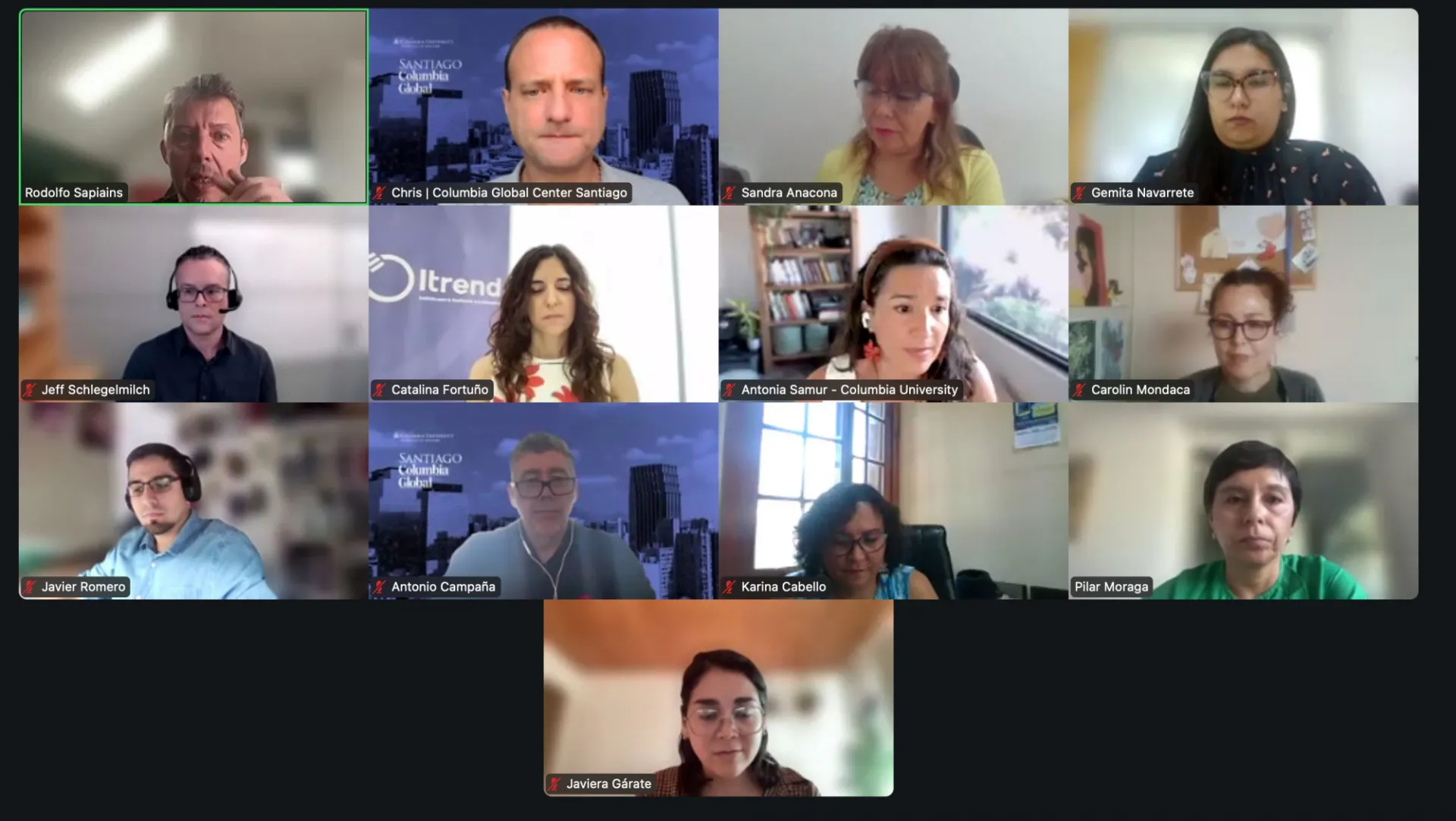
The guides aim to aid municipalities with planning and citizen participation methodologies for the development of climate action plans.
The Center has hosted five major dialogues on AI, bringing together Columbia faculty and leading voices from India to explore how AI is being used in health, finance, business, and digital ecosystems. These conversations have moved beyond hype to focus on what works, what doesn’t, and what responsible AI adoption should look like in the Indian context.